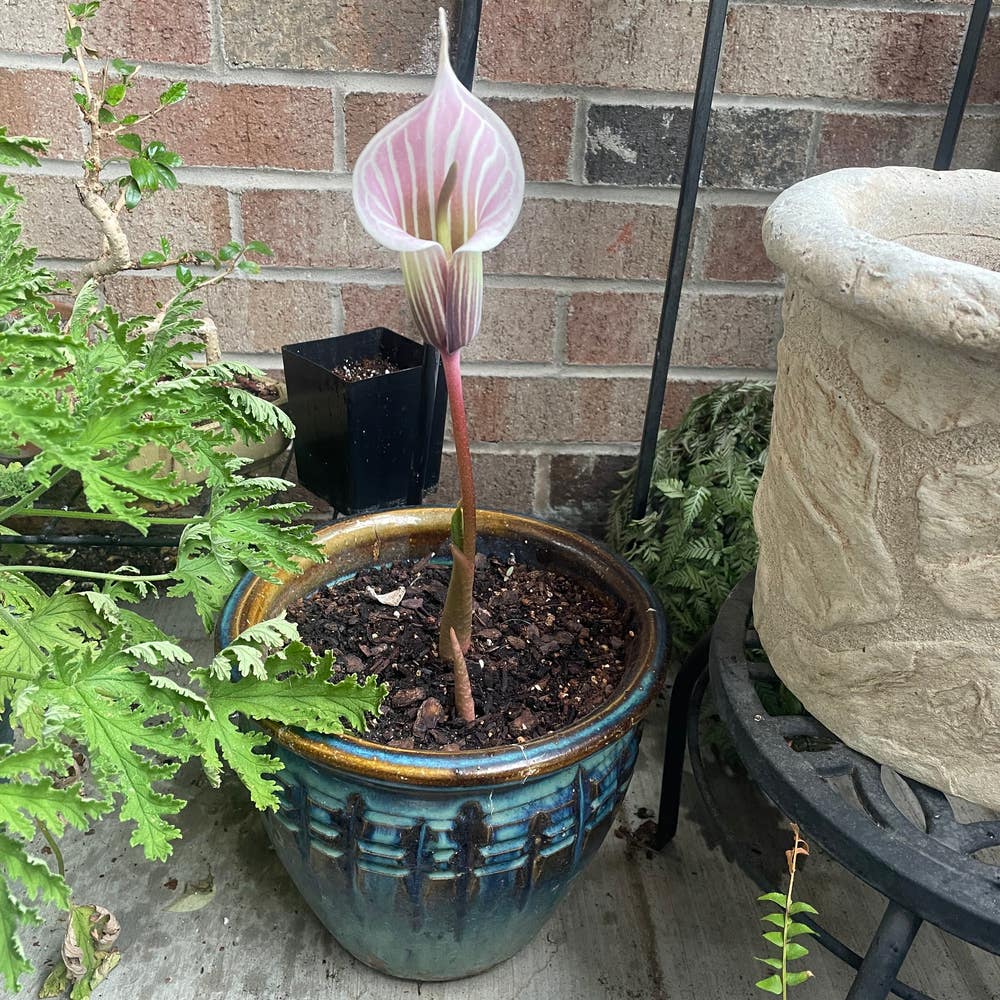
4 Tips for Healthy Arisaema Roots 🥕
Arisaema ulugurense
By the Greg Editorial Team
Nov 26, 2024•6 min read
This article was created with the help of AI so we can cover more plants for you. May contain errors. See one? Report it here.
Master Arisaema root care 🌱 for vibrant growth and a flourishing garden that thrives all year round!
- 🌱 Healthy Arisaema roots require moist, well-draining soil to prevent root rot.
- 🌿 Transplant in early spring or fall for optimal recovery and growth.
- 🔍 Monitor root health regularly to ensure vibrant, resilient Arisaema plants.
Characteristics of Root System
🌱 Root Type and Characteristics
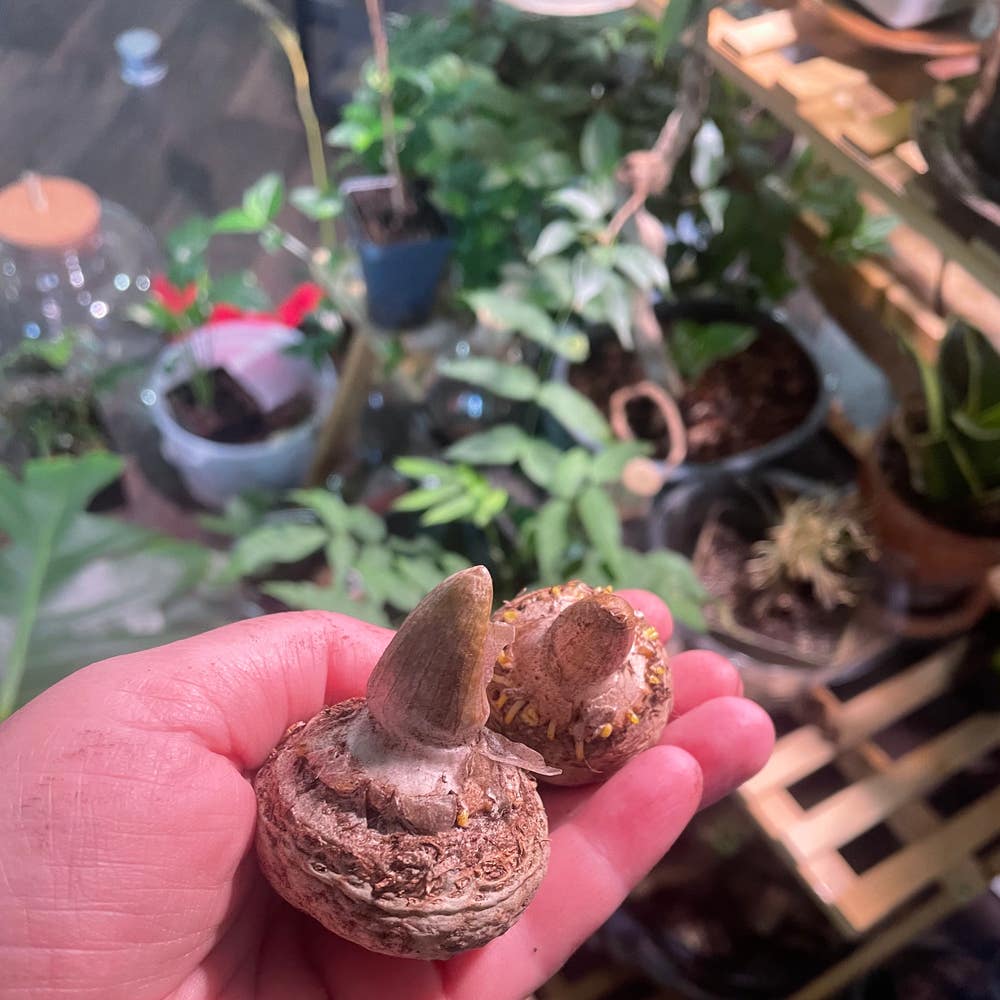
Arisaema plants feature a rhizomatous root system, which is crucial for their survival and growth. This type of root not only stores nutrients but also allows for vegetative propagation, enabling the plant to spread and thrive in its environment.
📏 Root Depth and Spread
Typically, the roots of Arisaema can reach depths of 12 to 24 inches, depending on the species and soil conditions. Their horizontal spread can extend several feet, significantly influencing their ability to uptake water and nutrients from the surrounding soil.
🌿 Growth Patterns
Arisaema exhibits distinct seasonal growth patterns, with active growth occurring in spring and summer. During fall and winter, the plants enter a dormant phase, conserving energy until the next growing season.
🌾 Rhizome Development
New shoots emerge from existing rhizomes, contributing to the overall density of the plant. This growth pattern not only enhances the plant's resilience but also creates a lush, vibrant display in gardens and natural settings.
Understanding these characteristics of the Arisaema root system is essential for promoting healthy growth and ensuring the plant thrives in your garden. Next, we will explore the watering and fertilizing needs to support these remarkable roots.
Watering and Fertilizing
Watering Needs 🌊
Arisaema roots thrive in consistently moist but well-draining soil. This balance is crucial, as overly saturated conditions can lead to root rot, while dry soil can hinder growth.
Adjust your watering frequency based on seasonal changes and the depth of the roots. During the active growing season, you may need to water more frequently, while in dormancy, less water is required.
Fertilization Techniques 🌱
For optimal growth, use balanced fertilizers with NPK ratios like 10-10-10 during the active growth phase. This ensures that your Arisaema roots receive the essential nutrients they need to flourish.
Timing is key for fertilization. Apply your chosen fertilizer in early spring and again in mid-summer to maximize nutrient uptake and support robust growth.
Maintaining proper watering and fertilization practices is vital for the health of Arisaema roots. These foundational elements set the stage for thriving plants, leading us to the next important topic: transplanting and dividing.
Transplanting and Dividing
Best Practices for Transplanting 🌱
Transplanting Arisaema roots requires careful timing and preparation. The best time to transplant is during early spring or fall when the plants are dormant, minimizing stress on the roots.
Before you start, ensure the soil is well-draining and rich in organic matter. This will provide a healthy environment for the roots to thrive.
When you're ready to transplant, follow these steps:
- Carefully dig around the root zone to avoid damage. This helps preserve the integrity of the roots.
- Replant at the same depth as previously grown. This is crucial for the plant's recovery and growth.
- Water thoroughly after transplanting to help settle the soil and provide moisture to the roots.
Importance of Root Health 🌿
Maintaining root health is essential for the overall vitality of your Arisaema plants. When dividing rhizomes, ensure each division has healthy roots and shoots to promote successful growth.
It's recommended to divide your plants every 3-5 years. This prevents overcrowding and maintains vigor, allowing your plants to flourish.
By following these transplanting and dividing practices, you can ensure your Arisaema roots remain healthy and robust. This sets the stage for vibrant growth and resilience in your garden.
As we move forward, let’s explore common root issues that can affect your plants and how to tackle them effectively.
Common Root Issues
Identifying Problems 🌱
Arisaema roots can face a couple of significant challenges, primarily root rot and pest infestations, such as nematodes. Recognizing these issues early is crucial; symptoms of root rot include wilting plants, yellowing leaves, and mushy roots that signal distress.
Solutions and Prevention 🛠️
To prevent root rot, ensure your soil has proper drainage and avoid overwatering, as soggy conditions can be detrimental. Regular inspections can help manage pests; consider using organic treatments like neem oil to keep infestations at bay and maintain healthy roots.
By staying vigilant and proactive, you can protect your Arisaema roots from common issues, ensuring they thrive in your garden. Next, let’s explore how to recognize root health and what signs to look for in your plants.
Recognizing Root Health
👀 Visual Cues
Healthy Arisaema roots are a sight to behold. They should feel firm and exhibit a white or light tan color, signaling vitality and strength.
In contrast, unhealthy roots present a concerning picture. Look for dark, mushy textures and an unpleasant smell, which indicate potential issues that need immediate attention.
🌱 Rootbound Conditions
Recognizing rootbound conditions is crucial for maintaining plant health. Signs include stunted growth and roots visibly emerging from drainage holes, suggesting the plant is cramped and in need of more space.
To manage rootbound plants effectively, consider repotting them into larger containers or dividing the plant. This not only alleviates crowding but also promotes healthier growth and vitality.
Understanding these visual cues and conditions will empower you to take proactive steps in caring for your Arisaema roots. Next, we’ll explore the overall health of the plant and the critical role roots play in its resilience and growth.
Overall Plant Health
🌱 Role of Roots
A healthy root system is crucial for the efficient uptake of nutrients and water. Strong roots not only support the plant's growth but also enhance its resilience against environmental stressors like drought and pests.
🧑🌾 Importance of Root Care
Regularly monitoring root health is essential for overall plant care. By keeping an eye on your roots, you can implement strategies to maintain their vitality, such as ensuring proper watering, using balanced fertilizers, and transplanting when necessary.
🛠️ Practical Tips for Root Care
Watering: Ensure your Arisaema roots are consistently moist but not waterlogged. Adjust your watering schedule based on seasonal changes to meet their needs.
Fertilization: Use a balanced fertilizer during the active growth period to provide essential nutrients. Early spring and mid-summer are ideal times for application.
Transplanting: If your plants become overcrowded, consider transplanting them in early spring or fall. This helps maintain root health and encourages new growth.
By prioritizing root care, you set the foundation for a thriving Arisaema plant. Healthy roots lead to robust plants that can withstand challenges, ensuring your garden flourishes beautifully.
As you continue to nurture your Arisaema, remember that the health of the roots directly impacts the overall vitality of the plant. Next, let’s explore common root issues and how to tackle them effectively.
⚠️ Safety First
This content is for general information and may contain errors, omissions, or outdated details. It is not medical, veterinary advice, or an endorsement of therapeutic claims.
Always consult a qualified healthcare professional before using any plant as food, medicine, or supplement.
Never eat any plant (or feed one to pets) without confirming its identity with at least two trusted sources.
If you suspect poisoning, call Poison Control (800) 222-1222, the Pet Poison Helpline (800) 213-6680, or your local emergency service immediately.
Spotted an error? Please report it here.
Nurture your Arisaema roots for a thriving garden 🌱 by using Greg's personalized care plans and watering reminders to give your plants the attention they need to flourish!