Managing Direct Sunlight for Your Arisaema ☀️
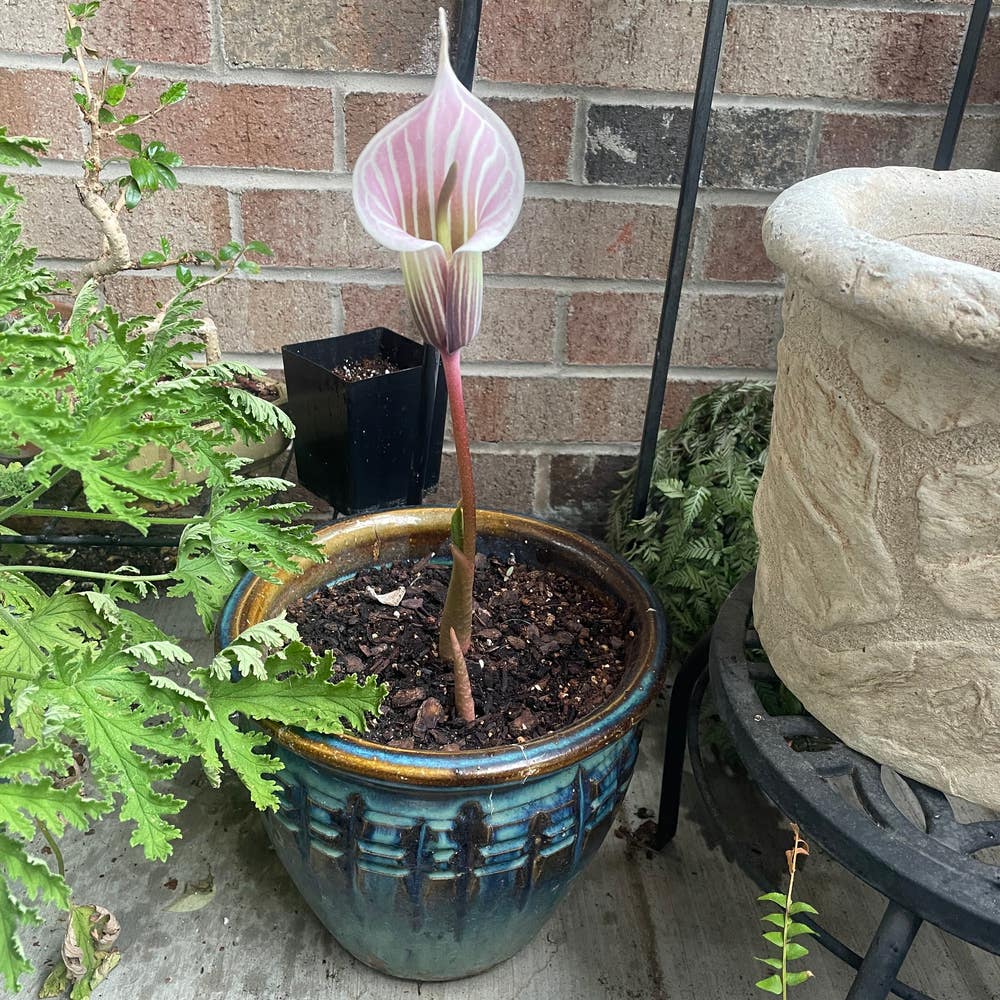
Arisaema ulugurense
By the Greg Editorial Team
Nov 26, 2024•4 min read
This article was created with the help of AI so we can cover more plants for you. May contain errors. See one? Report it here.
Master sunlight management for your Arisaema 🌞 to unlock vibrant growth and stunning blooms! 🌱
- 🌞 Arisaema thrives in indirect sunlight, preventing wilting and leaf scorch.
- 🪴 North and east-facing windows provide ideal light conditions for Arisaema growth.
- 📏 Monitor sunlight intensity with a light meter to ensure optimal care.
Sunlight Tolerance of Arisaema
🌞 Definition of Direct vs. Indirect Sunlight
Understanding sunlight types is crucial for the health of your Arisaema.
Direct sunlight refers to light that comes straight from the sun without any obstruction, delivering intense rays that can be harsh on sensitive plants.
In contrast, indirect sunlight is light that is diffused or reflected, providing a gentler illumination that is often more suitable for delicate species like Arisaema.
The key difference lies in intensity: direct sunlight is strong and can stress plants, while indirect sunlight offers a softer, more nurturing environment.
🌱 Specific Tolerance Levels of Arisaema
Most Arisaema species thrive in indirect sunlight, making it their preferred choice.
While some species may tolerate brief periods of direct sunlight, many will struggle if exposed for too long.
Understanding the specific needs of your Arisaema species can help you create the ideal growing conditions.
☀️ Effects of Too Much Direct Sunlight on Arisaema
Excessive direct sunlight can lead to several stress symptoms in Arisaema.
You might notice wilting, leaf scorch, and faded colors as immediate signs of distress.
If these conditions persist, long-term exposure can stunt growth and reduce flowering, ultimately affecting the plant's vitality.
By managing sunlight exposure effectively, you can ensure your Arisaema remains healthy and vibrant.
As we explore how to optimize sunlight conditions, consider the impact of window direction on your plant's well-being.
Window Direction and Sunlight
🌞 How Window Direction Affects Sunlight Exposure
Understanding how sunlight enters your home is crucial for the health of your Arisaema. The orientation of your windows plays a significant role in determining the type of light your plants receive.
North-facing windows typically provide indirect light, making them a safe choice for Arisaema. In contrast, south-facing windows often bathe your plants in direct sunlight, which can be too intense for these delicate species.
🪴 Best Window Directions for Arisaema
For optimal growth, east and north-facing windows are ideal for your Arisaema. These directions offer the gentle, indirect light that these plants thrive on.
If you must use south-facing windows, consider filtering the light with sheer curtains. This will help soften the harsh rays and create a more suitable environment for your plants.
By carefully selecting the right window direction, you can ensure your Arisaema receives the light it needs without the stress of direct exposure. This thoughtful approach will set the stage for vibrant growth and flourishing blooms.
As you consider window placement, remember that the next section will delve into how geographic factors influence sunlight intensity.
Geographic Considerations
How Hemisphere Affects Sunlight Intensity 🌍
The intensity of sunlight varies significantly between the Northern and Southern Hemispheres. In the Northern Hemisphere, sunlight becomes more intense during the summer months, leading to stronger light exposure for plants like Arisaema.
Conversely, the Southern Hemisphere experiences similar patterns but with opposite seasonal timing. This means that during their summer, Arisaema may also face increased sunlight intensity, which can affect their growth and health.
Seasonal Variations in Sunlight and Their Impact on Arisaema 🌱
Throughout the year, sunlight duration and intensity change, impacting how Arisaema thrives. As seasons shift, so do the light conditions, making it essential to monitor these variations.
In spring and summer, the longer days and stronger sun can stress your Arisaema if they receive too much direct light. Adjusting care routines, such as relocating plants or using sheer curtains, can help ensure they receive the optimal light they need to flourish.
Understanding these geographic and seasonal factors will empower you to create the best environment for your Arisaema. This knowledge sets the stage for practical tips on managing sunlight effectively.
Practical Tips for Managing Sunlight
🌞 How to Assess Sunlight in Your Home for Arisaema
To ensure your Arisaema thrives, it's crucial to assess the sunlight in your home. One effective method is using a light meter, which provides precise measurements of light intensity.
Alternatively, you can observe your plant's behavior. If your Arisaema seems to be stretching toward the light, it may not be getting enough.
Timing is also key. Check sunlight exposure during different times of the day, particularly in the morning versus the afternoon. Morning light is typically softer and more suitable for your plant.
🌤️ Signs That Arisaema is Receiving Too Much or Too Little Sunlight
Recognizing the signs of improper sunlight exposure is essential for your Arisaema's health. If you notice yellowing leaves, crispy edges, or drooping stems, your plant might be getting too much sunlight.
On the flip side, if your Arisaema exhibits slow growth, a leggy appearance, or a lack of flowering, it may not be receiving enough light.
By monitoring these signs, you can adjust your plant's environment to ensure it receives the optimal sunlight it craves.
With these practical tips, you'll be well-equipped to manage sunlight effectively for your Arisaema, setting the stage for vibrant growth and flourishing blooms.
⚠️ Safety First
This content is for general information and may contain errors, omissions, or outdated details. It is not medical, veterinary advice, or an endorsement of therapeutic claims.
Always consult a qualified healthcare professional before using any plant as food, medicine, or supplement.
Never eat any plant (or feed one to pets) without confirming its identity with at least two trusted sources.
If you suspect poisoning, call Poison Control (800) 222-1222, the Pet Poison Helpline (800) 213-6680, or your local emergency service immediately.
Spotted an error? Please report it here.
Keep your Arisaema thriving 🌱 by using Greg's tailored light tips and reminders to ensure it gets just the right amount of indirect sunlight!