🌺 Step-by-Step Guide to Arisaema Flowers
Arisaema ulugurense
By the Greg Editorial Team
Nov 26, 2024•4 min read
This article was created with the help of AI so we can cover more plants for you. May contain errors. See one? Report it here.
Uncover the enchanting allure of Arisaema, blooming or not, and learn how to nurture their unique charm! 🌱
- 🌸 Arisaema flowers feature a unique spathe and spadix, adding intrigue to gardens.
- 🌱 Non-flowering Arisaema still shine with striking foliage and unique structures.
- 🌞💧 Encourage blooms by providing moisture, well-draining soil, and partial shade.
Flowering Status
Clarification on Flower Production 🌸
Arisaema does indeed produce flowers, which are marked by a distinctive flower spike that adds intrigue to any garden. However, some species may exhibit limited flowering under specific conditions, leading to confusion about their overall flowering status.
Explanation of Non-Flowering Characteristics 🌿
Non-flowering can often result from environmental factors like insufficient light or moisture. Despite this, Arisaema is primarily celebrated for its striking foliage and unique structure, making it a favorite among gardeners even when flowers are absent.
In summary, understanding the flowering status of Arisaema is crucial for gardeners looking to appreciate these plants fully. Whether they bloom or not, their captivating leaves and forms can still bring beauty to shaded spaces.
If Arisaema Flowers
🌸 Flower Characteristics
Description of Colors and Structure
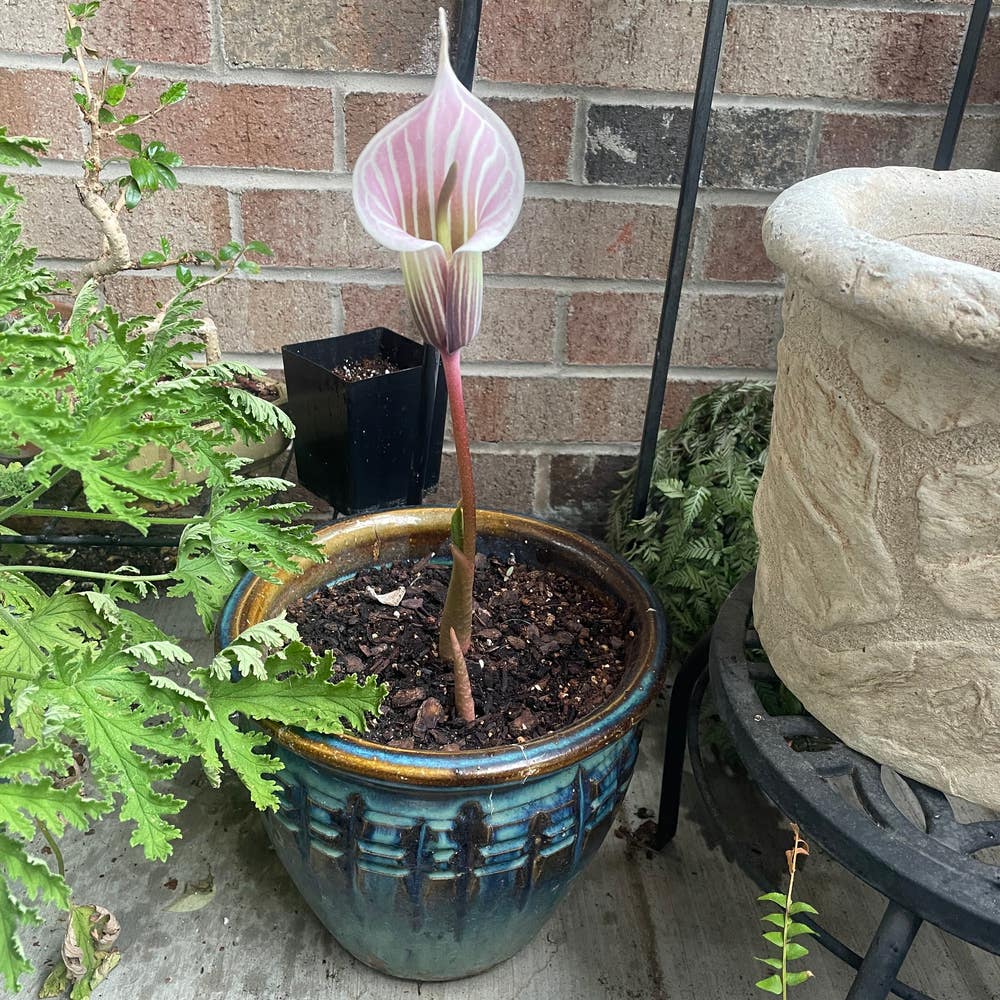
Arisaema flowers are a visual delight, typically showcasing colors like green, white, or purple, depending on the species. Their unique structure features a hooded spathe that envelops a central spadix, creating an eye-catching display.
Self-Pollination vs. External Pollination
Most Arisaema species rely on external pollinators, such as insects, for effective pollination. The spadix plays a crucial role in attracting these pollinators, ensuring the continuation of the species.
🌼 Blooming Process
Outline of Blooming Stages
The blooming process begins with bud formation in early spring. Key stages include bud swelling, the opening of the spathe, and the emergence of the spadix.
Typical Bloom Time
Blooming times vary by species, but generally, Arisaema flowers appear in spring to early summer. This seasonal display adds vibrant life to shaded gardens.
Duration from Bud Formation to Full Bloom
From the initial bud formation to full bloom, the process takes approximately 2-4 weeks. This relatively short timeframe allows gardeners to anticipate the floral show.
Lifespan of Flowers
Once in bloom, Arisaema flowers typically last for about 2-3 weeks before wilting. This brief lifespan emphasizes the importance of enjoying their beauty while it lasts.
🌱 Encouraging Blooms
Tips on How to Encourage Blooms
- Ensure adequate moisture and well-draining soil.
- Provide partial to full shade to mimic natural woodland conditions.
- Fertilize with a balanced fertilizer during the growing season.
Factors Influencing Flowering
Several factors influence the success of blooming, including light levels, soil moisture, and nutrient availability. Paying attention to these elements can significantly enhance flowering potential.
🌿 Post-Flowering
What Happens After Flowering
After the flowering phase, Arisaema shifts its focus to vegetative growth, prioritizing leaf production. This transition is vital for the plant's overall health and future blooming.
Do They Die After Flowering?
Most Arisaema species do not die after flowering; instead, they continue to thrive and may produce flowers again in subsequent years. This resilience makes them a rewarding addition to any garden.
🐝 Pollination
Description of Pollination Methods
Pollination in Arisaema primarily occurs through insect activity, with various adaptations to attract specific pollinators. This process is essential for seed production and maintaining genetic diversity within the species.
As we explore the fascinating world of Arisaema, understanding their flowering habits and characteristics enriches our appreciation for these unique plants. Next, we will delve into what happens when Arisaema doesn't flower, highlighting their ornamental features and reproductive strategies.
If Arisaema Doesn't Flower
🌿 Primary Ornamental Features
Arisaema plants are cherished for their striking foliage and architectural form. Even without flowers, their lush, tropical leaves create a captivating presence in shaded gardens.
🌱 Reproduction Without Flowers
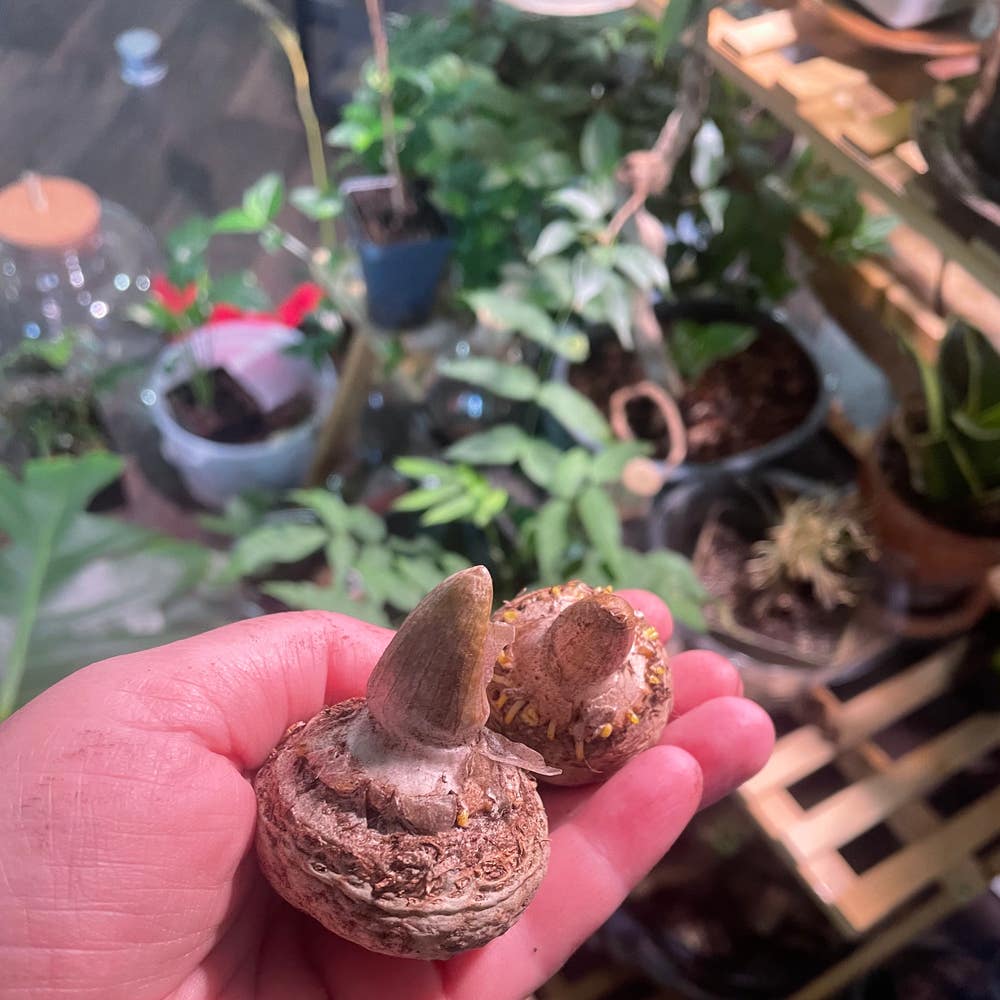
Interestingly, Arisaema can reproduce vegetatively through tubers. This unique ability allows them to spread and establish new plants, thriving even in the absence of flowering.
The resilience of Arisaema highlights its adaptability in various environments. Understanding these characteristics can help gardeners appreciate the plant's beauty beyond its blooms.
As we explore the unique aspects of Arisaema, you'll discover even more fascinating traits that make this plant a standout in any garden.
Unique Aspects
Unusual Characteristics 🌈
Arisaema species are fascinating for their unique adaptations, including the ability to change flower color based on environmental conditions. This characteristic not only enhances their visual appeal but also plays a role in attracting specific pollinators.
Interesting Facts 🤓
Certain Arisaema species have complex life cycles that can vary significantly based on age and environmental stressors. For instance, younger plants may exhibit different flowering patterns compared to their mature counterparts.
Another intriguing aspect is the term "death bloom." While this phenomenon refers to some plants that die after flowering, it is not typical for Arisaema. Most species continue to thrive and can produce blooms in subsequent years, making them resilient additions to any garden.
These unique traits and facts highlight the adaptability and enduring nature of Arisaema, ensuring they remain a captivating choice for gardeners and plant enthusiasts alike. As we explore further, let's delve into how these plants can thrive even without flowers.
⚠️ Safety First
This content is for general information and may contain errors, omissions, or outdated details. It is not medical, veterinary advice, or an endorsement of therapeutic claims.
Always consult a qualified healthcare professional before using any plant as food, medicine, or supplement.
Never eat any plant (or feed one to pets) without confirming its identity with at least two trusted sources.
If you suspect poisoning, call Poison Control (800) 222-1222, the Pet Poison Helpline (800) 213-6680, or your local emergency service immediately.
Spotted an error? Please report it here.
Elevate your garden's allure with Arisaema's captivating blooms 🌺, and let Greg guide you with tailored care tips to keep them thriving and blooming beautifully every season!