3 Winter Threats to Your Arisaema ❄️
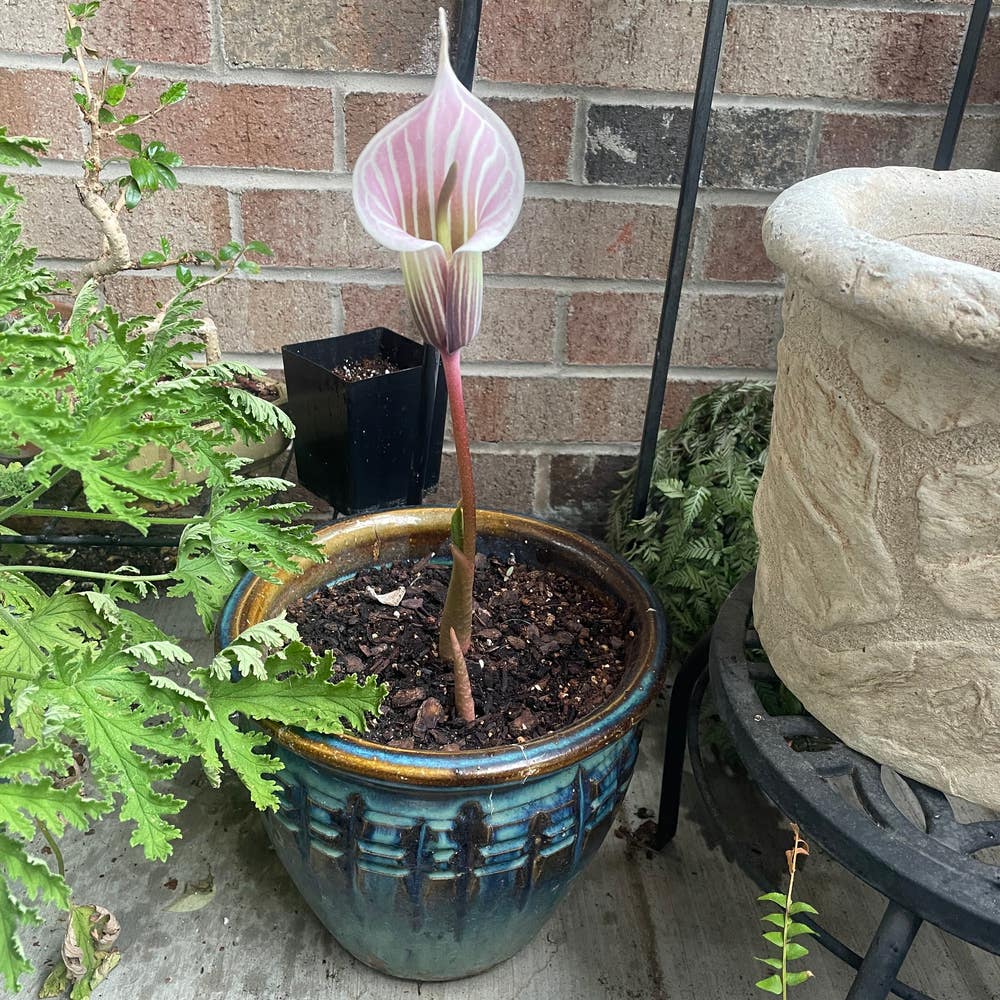
Arisaema ulugurense
By the Greg Editorial Team
Nov 26, 2024•5 min read
This article was created with the help of AI so we can cover more plants for you. May contain errors. See one? Report it here.
Protect your Arisaema this winter 🌨️ to ensure a thriving garden come spring with these essential care tips!
- ❄️ Frost protection is vital for Arisaema's survival during winter months.
- 🌱 Mulching and covering with frost cloths prevent damage and insulate roots effectively.
- 🌬️ Windbreaks and adjusted watering schedules are crucial for healthy winter care.
Winter Care Techniques
❄️ Frost protection methods
Frost can be a significant threat to your Arisaema during winter. Implementing effective frost protection methods is crucial to ensure your plants thrive.
Mulching
Mulching is a simple yet effective way to protect your plants. Recommended materials include straw, shredded leaves, or bark, applied at a depth of 2-4 inches around the base of the plant.
Covering plants
Using frost cloths or burlap can shield your Arisaema from frost damage. It's essential to cover the plants before the first frost, so keep an eye on local frost dates to time your coverings correctly.
Creating windbreaks
Wind can exacerbate cold temperatures, making windbreaks vital. Utilize fences or shrubs as barriers to shield your Arisaema from harsh winds, ensuring they are positioned to maximize protection without blocking sunlight.
💧 Adjusting watering schedules during winter
As winter sets in, adjusting your watering schedule is necessary to prevent overwatering.
Watering frequency
Reduce your watering to once every 2-4 weeks during dormancy. Watch for signs of overwatering, such as yellowing leaves or mushy roots, which can indicate that your plant is struggling.
Soil moisture monitoring
Monitoring soil moisture is key to maintaining healthy Arisaema. Techniques like using moisture meters or the finger test can help you check soil dampness, ensuring it remains well-draining to prevent root rot.
🌱 Fertilizing considerations for winter dormancy
Fertilization during winter dormancy requires careful consideration.
Timing of fertilization
Avoid fertilizing your Arisaema while it's dormant, as nutrients are not needed during this period. Instead, aim for a balanced fertilizer application 4-6 weeks before dormancy to prepare your plants for the winter months.
Types of fertilizers
Opt for slow-release organic fertilizers to enhance soil health. These fertilizers provide a steady supply of nutrients, supporting your Arisaema as it prepares for the growing season ahead.
By implementing these winter care techniques, you can help your Arisaema survive the cold months and emerge healthy in spring. Next, let’s explore how to care for your Arisaema indoors during winter.
Indoor Winter Care
🌨️ When to bring Arisaema indoors
As winter approaches, it's crucial to monitor local frost dates. This will help you determine the right time to transition your Arisaema indoors.
Additionally, keep an eye on your plant's health. If you notice signs of stress, such as wilting or yellowing leaves, it may be time to bring it inside to ensure its survival.
🏠 Ideal indoor conditions for Arisaema
Light requirements
Arisaema thrives in bright, indirect light. Position your plant near windows or under grow lights to provide the optimal lighting conditions.
Temperature preferences
Aim to maintain a temperature range of 60°F to 70°F (15°C to 21°C). It's essential to keep your plant away from drafts and heating vents to avoid temperature fluctuations that could stress it.
Humidity levels
Humidity is key for keeping your Arisaema healthy indoors. Consider using humidity trays or misting the leaves to prevent browning and maintain moisture levels.
By ensuring these ideal indoor conditions, your Arisaema will have the best chance to thrive throughout the winter months. Next, let’s explore how to prepare for spring and recover from any winter damage.
Spring Preparation and Recovery
🌨️ Signs of winter damage in Arisaema
As winter fades, it's crucial to assess your Arisaema for any signs of damage. Look for wilting or yellowing leaves, which are often the first indicators of stress.
Additionally, stunted growth or dead stems can signal that your plant has struggled through the colder months. These visual cues are essential for determining the overall health of your Arisaema.
🌱 Steps for recovery and rejuvenation in spring
Once you've identified any damage, it's time to take action. Start by pruning back any dead or damaged foliage to encourage new growth.
Timing is key here; prune as soon as you notice the first signs of spring. Use clean, sharp pruning shears to make precise cuts, which will help prevent any further stress to the plant.
Next, reassess your watering and fertilization practices. Gradually reintroduce regular watering, keeping a close eye on soil moisture to avoid overwatering.
As growth resumes, begin your fertilizing schedule with a balanced fertilizer. This will provide the necessary nutrients to support your Arisaema's recovery and promote healthy growth.
With these steps, your Arisaema will be well on its way to thriving in the warmer months ahead. Now, let’s explore how geographic considerations can impact your winter care practices.
Geographic Considerations
Regional Differences in Winter Care Practices 🌨️
When it comes to winter care for your Arisaema, understanding your climate is crucial. Northern and southern regions experience significant differences in frost dates and winter temperatures, which directly impact how you should care for your plants.
In northern climates, frost can arrive earlier and linger longer. This means you may need to implement frost protection methods sooner, such as mulching or covering your plants. Conversely, southern climates often have milder winters, allowing for a more relaxed approach to winter care.
Adjusting Care Techniques Based on Local Conditions 🌍
Adjusting your care techniques based on local conditions is essential for the health of your Arisaema. For instance, in areas with heavy snowfall, you might need to create windbreaks to shield your plants from harsh winds and heavy snow accumulation.
Additionally, local resources can be invaluable. Gardening clubs or extension services in your area can provide tailored advice that considers your specific climate and conditions. Engaging with these resources can enhance your understanding and improve your winter care practices.
Conclusion 📜
By recognizing the regional differences in winter care practices, you can better prepare your Arisaema for the cold months ahead. This knowledge not only helps in protecting your plants but also fosters a deeper connection with your gardening community. Next, let's explore how to identify signs of winter damage in your Arisaema and what steps to take for recovery in spring.
⚠️ Safety First
This content is for general information and may contain errors, omissions, or outdated details. It is not medical, veterinary advice, or an endorsement of therapeutic claims.
Always consult a qualified healthcare professional before using any plant as food, medicine, or supplement.
Never eat any plant (or feed one to pets) without confirming its identity with at least two trusted sources.
If you suspect poisoning, call Poison Control (800) 222-1222, the Pet Poison Helpline (800) 213-6680, or your local emergency service immediately.
Spotted an error? Please report it here.
Keep your Arisaema thriving this winter ❄️ by using Greg's tailored watering reminders and frost protection tips to ensure they flourish come spring!