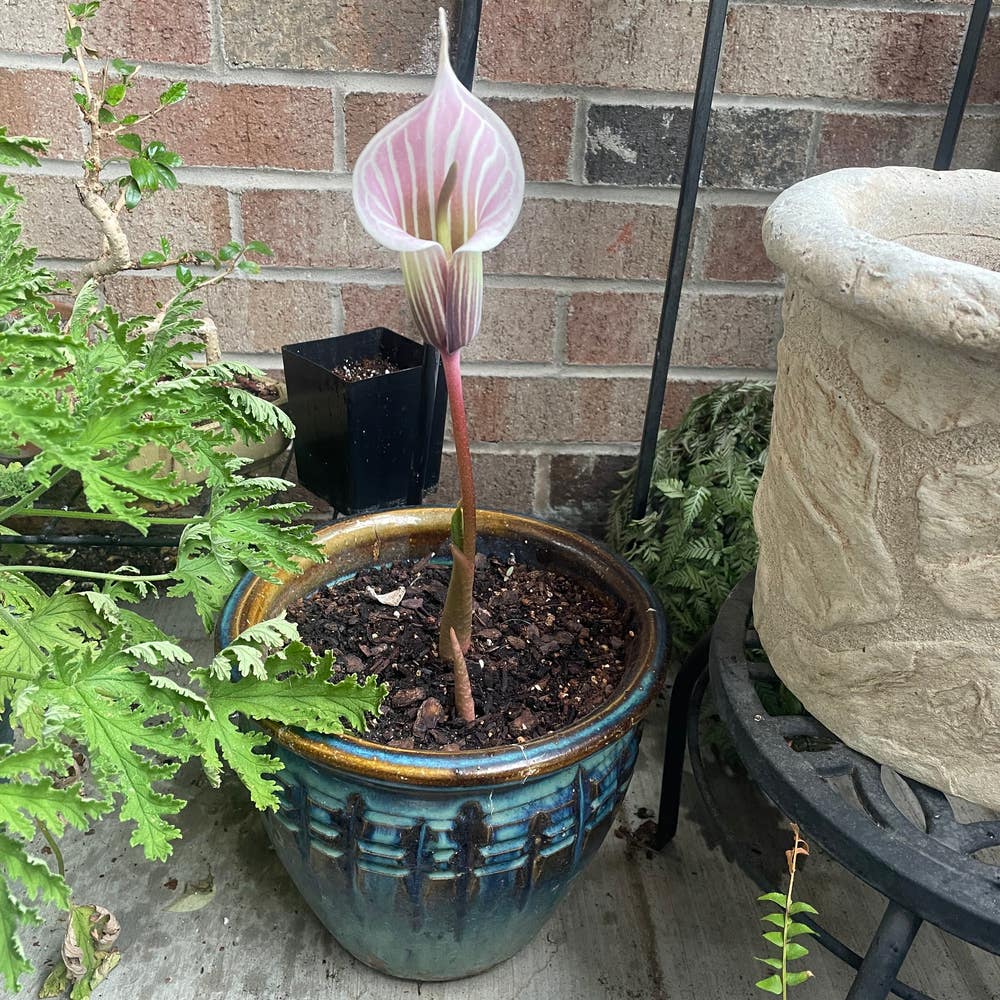
What to Do About Yellow Leaves on Your Arisaema 🍂
Arisaema ulugurense
By the Greg Editorial Team
Nov 26, 2024•5 min read
This article was created with the help of AI so we can cover more plants for you. May contain errors. See one? Report it here.
Revive your Arisaema's vitality 🌱 by learning to diagnose and treat yellow leaves effectively!
- 🌱 Yellow leaves indicate nutrient deficiencies, especially nitrogen and iron.
- 💧 Overwatering and poor drainage lead to root rot, causing yellowing leaves.
- 🐛 Pests like aphids and spider mites can also cause yellowing; early detection is key.
Causes of Yellow Leaves
🌱 Nutrient Deficiencies
Nutrient deficiencies can significantly impact the health of your Arisaema. The most common culprits are nitrogen and iron deficiencies.
Nitrogen deficiency manifests as pale green leaves and stunted growth. In contrast, iron deficiency is characterized by yellowing between the leaf veins, while the veins themselves remain green.
To keep your Arisaema thriving, balanced fertilization is essential. Regularly checking nutrient levels can help maintain optimal leaf health.
💧 Overwatering and Poor Drainage
Overwatering is a frequent issue that leads to yellowing leaves, wilting, and even root rot. It's crucial to ensure your Arisaema has proper soil drainage.
An ideal soil mix should be well-draining and rich in organic matter. Aim for a pH level between 6.0 and 7.0 to promote optimal nutrient uptake.
🐜 Pests Affecting Leaf Health
Pests can wreak havoc on your Arisaema, causing yellowing leaves and other distress signals. Two common pests to watch for are aphids and spider mites.
Aphids are small, green insects that suck sap from the leaves, resulting in yellowing and curling. Spider mites, on the other hand, are tiny pests that create webbing and cause stippling on leaves. Regular monitoring is key for early detection and management.
🦠 Fungal and Bacterial Diseases
Fungal and bacterial diseases can also lead to yellow leaves on your Arisaema. Fungal diseases, such as root rot and leaf spot, thrive in overly moist conditions.
Bacterial infections can cause wilting and yellowing of leaves. Keep an eye out for symptoms like dark spots, wilting, and unusual leaf textures to catch these issues early.
Understanding these causes will help you take proactive steps in caring for your Arisaema. Next, we’ll dive into how to diagnose yellow leaves effectively.
Diagnosing Yellow Leaves
🌱 Identifying Symptoms of Nutrient Deficiency
Nutrient deficiencies can manifest in distinct visual cues. For instance, nitrogen deficiency often results in pale green leaves and stunted growth, while iron deficiency is characterized by yellowing between the leaf veins, leaving the veins themselves green.
Soil testing is crucial for determining nutrient levels. This step ensures that your Arisaema receives the right balance of nutrients for optimal health.
💧 Signs of Overwatering vs. Underwatering
Overwatering can lead to yellowing leaves and mushy roots, indicating that your plant is struggling. Conversely, underwatering presents as dry, crispy leaves and wilting, signaling that your Arisaema needs a drink.
Understanding these signs helps you adjust your watering practices effectively.
🐞 Recognizing Pest Infestations
Pests like aphids and spider mites can wreak havoc on your Arisaema. Look for small green insects or webbing on the leaves, which indicate an infestation.
Regularly inspecting the undersides of leaves and stems is essential for early detection. This proactive approach can save your plant from significant damage.
🦠 Distinguishing Between Disease Symptoms
Fungal and bacterial diseases can cause yellowing leaves, but they have different symptoms. Fungal infections often lead to dark spots and wilting, while bacterial infections can result in unusual leaf textures.
Isolating affected plants is vital to prevent the spread of disease. This practice not only protects your Arisaema but also helps maintain the overall health of your garden.
In summary, diagnosing yellow leaves involves careful observation and understanding of various factors. By recognizing symptoms of nutrient deficiencies, watering issues, pest infestations, and diseases, you can take informed steps to restore your plant's vitality. Next, let’s explore effective treatment options to address these issues.
Treatment Options
Adjusting Watering Practices 🌊
Maintaining the right moisture level is crucial for your Arisaema's health. Aim to keep the soil consistently moist but avoid sogginess to prevent root rot.
To check soil moisture, use the finger test: insert your finger about an inch into the soil. If it feels dry, it’s time to water. Alternatively, a moisture meter can provide a more accurate reading.
Fertilization Techniques 🌱
Fertilization plays a vital role in promoting vibrant foliage. Balanced NPK fertilizers and organic options are excellent choices to nourish your plants.
Timing is key for application. Fertilize in early spring and again in mid-summer to support growth during the active growing season.
Pest Control Methods 🐞
Pests can wreak havoc on your Arisaema, but there are effective control methods. For organic solutions, consider using neem oil or insecticidal soap, and introducing beneficial insects like ladybugs can help keep pests at bay.
In cases of severe infestations, systemic insecticides may be necessary. Always follow the instructions carefully to minimize harm to your plants and the environment.
Disease Management Strategies 🦠
Addressing fungal and bacterial diseases promptly is essential for recovery. Use fungicides as needed, applying them according to the label instructions for effective treatment.
Sanitation is equally important. Regularly remove infected leaves and debris to prevent the spread of disease and maintain a healthy growing environment.
By implementing these treatment options, you can help your Arisaema thrive and recover from yellowing leaves. Next, let’s explore preventative measures to keep your plants healthy year-round.
Preventative Measures
Best Soil Mix 🌱
Creating the right soil mix is crucial for the health of your Arisaema. A blend of equal parts peat moss, compost, and perlite provides excellent drainage and nutrient retention.
Maintaining this soil structure helps prevent waterlogging, which can lead to yellow leaves and root rot. A well-draining mix ensures your plant thrives without the risk of overwatering.
Proper Watering Techniques 💧
Watering practices can make or break your plant's health. To avoid overwatering, always use pots with drainage holes and keep an eye on moisture levels.
Watering at the base of the plant is essential to prevent leaf wetness, which can encourage fungal diseases. Consistency is key—aim to keep the soil evenly moist but not soggy.
Regular Monitoring for Pests and Diseases 🔍
Regular inspections can save your Arisaema from potential threats. Schedule weekly checks during the growing season to catch any issues early.
Early intervention is vital for effective pest and disease management. By staying vigilant, you can ensure your plant remains healthy and vibrant.
With these preventative measures in place, your Arisaema will be better equipped to fend off yellow leaves and other issues. Next, let's explore how to diagnose yellow leaves effectively.
⚠️ Safety First
This content is for general information and may contain errors, omissions, or outdated details. It is not medical, veterinary advice, or an endorsement of therapeutic claims.
Always consult a qualified healthcare professional before using any plant as food, medicine, or supplement.
Never eat any plant (or feed one to pets) without confirming its identity with at least two trusted sources.
If you suspect poisoning, call Poison Control (800) 222-1222, the Pet Poison Helpline (800) 213-6680, or your local emergency service immediately.
Spotted an error? Please report it here.
Keep your Arisaema vibrant and healthy 🌿 by using Greg's tailored watering reminders and soil testing features to tackle yellow leaves before they become a problem!