Ultimate Guide to Pollinating Arisaema 🐝
Arisaema ulugurense
By the Greg Editorial Team
Nov 26, 2024•6 min read
This article was created with the help of AI so we can cover more plants for you. May contain errors. See one? Report it here.
Unlock the secrets of Arisaema's survival through self and cross-pollination! 🌼🌱
- 🌼 Arisaema can self-pollinate, thriving even in isolated environments without external help.
- 🐝 Cross-pollination boosts genetic diversity, enhancing resilience against diseases and environmental changes.
- 🌈 Unique flower structures attract specific pollinators, ensuring effective reproduction and ecological balance.
Self-Pollination vs. Cross-Pollination
🌱 Self-Pollination in Arisaema
Arisaema has a fascinating ability to self-pollinate, allowing it to fertilize itself without the need for external pollinators. This mechanism is particularly beneficial in isolated environments, ensuring that these plants can reproduce even when pollinator populations are low.
However, self-pollination comes with its drawbacks. The primary limitation is the potential lack of genetic diversity, which can make the species more vulnerable to diseases and environmental changes.
🌼 Cross-Pollination in Arisaema
In contrast, cross-pollination requires pollen from another Arisaema plant for successful fertilization. This process not only enhances genetic diversity but also contributes to the overall resilience of the species.
Certain Arisaema species are particularly reliant on cross-pollination. Identifying these species can help gardeners and enthusiasts understand the importance of maintaining diverse plant populations to support healthy ecosystems.
Flower Structure
Description of Flower Parts 🌸
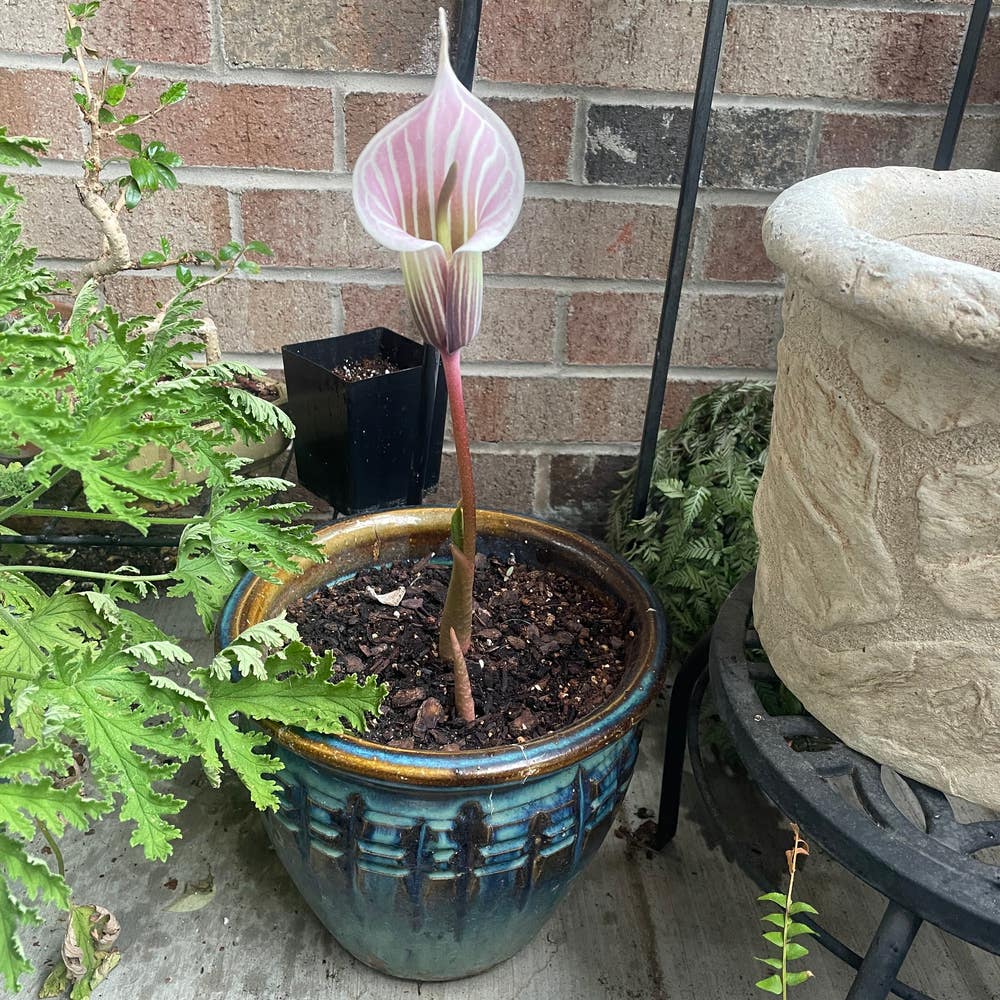
Arisaema flowers are a visual delight, showcasing unique shapes and vibrant color variations that differ among species. The arrangement of stamens and pistils is meticulously designed, creating a structure that not only supports reproduction but also captivates pollinators.
The colors and patterns of these flowers play a crucial role in attracting various pollinators. Bright hues and strategic arrangements signal to bees, butterflies, and other creatures that nectar awaits, ensuring the continuation of the species.
How Flower Structure Facilitates Pollination 🐝
The intricate design of Arisaema flowers is tailored to attract specific pollinator species. For instance, certain shapes may cater to the preferences of bees, while others entice butterflies with their vivid colors.
Pollen transfer is a well-orchestrated process, facilitated by the flower's structure. Adaptations such as the positioning of stamens and pistils enhance both self-pollination and cross-pollination, ensuring that Arisaema can thrive in diverse environments.
Understanding these mechanisms not only highlights the beauty of Arisaema but also emphasizes the importance of preserving these unique plants and their pollinators. As we delve deeper into the world of pollination, we can appreciate the delicate balance that sustains these ecosystems.
Natural Pollination
Primary Pollinators 🐝
Arisaema flowers rely on various pollinators to facilitate reproduction.
Bees are among the most significant contributors, drawn to the unique structure of Arisaema flowers, which provides easy access to pollen.
Butterflies also play a crucial role, attracted by the vibrant colors and sweet scents that signal a food source.
Moths, particularly active at night, have adapted to pollinate Arisaema species that bloom after sunset, ensuring these plants receive attention even in the dark.
Hummingbirds are attracted to specific Arisaema species with tubular flowers, showcasing the diverse range of pollinators that support these plants.
Pollen Transfer Mechanisms 🔄
Pollen transfer in Arisaema occurs through a well-orchestrated process.
Pollen grains from the male flower parts, or stamens, are transferred to the female parts, known as pistils, often aided by visiting pollinators.
Timing is critical for successful pollen transfer; flowers must be open and receptive when pollinators are active.
Environmental conditions, such as temperature and humidity, can significantly impact this process, influencing the likelihood of successful fertilization.
Seasonal variations also affect pollination, with different Arisaema species exhibiting unique flowering times and pollination strategies throughout the year.
Understanding these dynamics can enhance your appreciation for the intricate relationships between Arisaema and its pollinators.
As we explore further, we'll delve into the art of hand pollination, a valuable technique for ensuring the success of these fascinating plants.
Hand Pollination
Step-by-Step Instructions for Hand Pollination 🌼
Hand pollination can be a rewarding process, ensuring the successful reproduction of your Arisaema plants. Here’s how to do it effectively:
Identify the flowering stage: The best time for hand pollination is when the flowers are fully open and the pollen is ripe. This is typically in the morning when the flowers are most receptive.
Collecting pollen: Use a small brush or a cotton swab to gently gather pollen from the male flower parts, known as stamens. Be careful not to damage the delicate structures.
Transferring pollen: Apply the collected pollen to the female flower parts, or pistils, by gently brushing it onto the stigma. Ensure that the pollen makes good contact for optimal fertilization.
Ensuring successful fertilization: After pollination, monitor the plant for signs of fruit or seed development. This can take several weeks, so patience is key!
Identifying Male and Female Flower Parts 🔍
Understanding the anatomy of your Arisaema flowers is crucial for effective hand pollination.
Male flower parts (stamens) are typically slender and produce pollen. They are often located in the center of the flower.
Female flower parts (pistils) are usually more robust and can be identified by their sticky stigma, which captures pollen.
Accurate identification of these parts ensures that you can pollinate effectively, maximizing your chances of successful seed production.
With these steps and insights, you can confidently engage in hand pollination, enhancing the reproductive success of your Arisaema plants. Next, let’s explore how to support pollinators in your garden to further boost your plants' health and productivity.
Supporting Pollinators
🌼 Creating a Pollinator-Friendly Environment
Designing a garden that attracts pollinators is both an art and a science. Start by incorporating a variety of native plants, as they are better suited to local pollinators and require less maintenance.
Diverse flower types are essential, too. Different shapes, sizes, and colors will appeal to various pollinators, ensuring a bustling ecosystem in your garden.
Don't forget to provide water sources. A small birdbath or shallow dish can make a big difference, offering hydration for thirsty pollinators.
Shelter is equally important. Consider adding native shrubs or small trees to create safe havens for bees and butterflies.
🌻 Companion Plants to Attract Pollinators
Companion planting can significantly enhance pollinator activity around Arisaema. Consider adding plants like coneflowers, bee balm, and black-eyed Susans, which are known to attract a variety of pollinators.
Planting in clusters is beneficial as well. Grouping flowers together creates a more inviting habitat, making it easier for pollinators to find food and shelter.
By fostering a pollinator-friendly environment, you not only support the health of your garden but also contribute to the broader ecosystem. This effort can lead to more successful pollination of your Arisaema and other plants, enhancing their growth and vitality.
As we explore the challenges of pollination next, understanding how to support these vital creatures will be crucial in overcoming obstacles they face.
Pollination Challenges
🌪️ Common Obstacles to Successful Pollination
Pollination can be a tricky business for Arisaema plants. Environmental factors like temperature and humidity play a significant role in determining the success of pollination.
High temperatures can cause pollen to dry out, while excessive humidity may lead to fungal issues that hinder pollen viability. Additionally, a lack of pollinators can severely impact reproduction, leaving Arisaema plants struggling to produce seeds.
🛠️ Solutions for Overcoming Pollination Challenges
Fortunately, there are several strategies to enhance pollination success. First, creating a welcoming environment for pollinators is essential. This can be achieved by planting a variety of native flowers that bloom at different times, ensuring a steady food source.
Adjusting care practices, such as providing adequate water and avoiding pesticides, can also improve pollinator activity. Lastly, it's crucial to monitor environmental conditions and adapt your gardening techniques accordingly.
By staying attuned to these factors, you can help ensure that your Arisaema plants thrive and reproduce successfully.
⚠️ Safety First
This content is for general information and may contain errors, omissions, or outdated details. It is not medical, veterinary advice, or an endorsement of therapeutic claims.
Always consult a qualified healthcare professional before using any plant as food, medicine, or supplement.
Never eat any plant (or feed one to pets) without confirming its identity with at least two trusted sources.
If you suspect poisoning, call Poison Control (800) 222-1222, the Pet Poison Helpline (800) 213-6680, or your local emergency service immediately.
Spotted an error? Please report it here.
Pollinating Arisaema can boost their health and biodiversity 🌼, and with Greg's tailored care reminders, you'll cultivate a thriving garden that attracts pollinators and supports your plants' success!