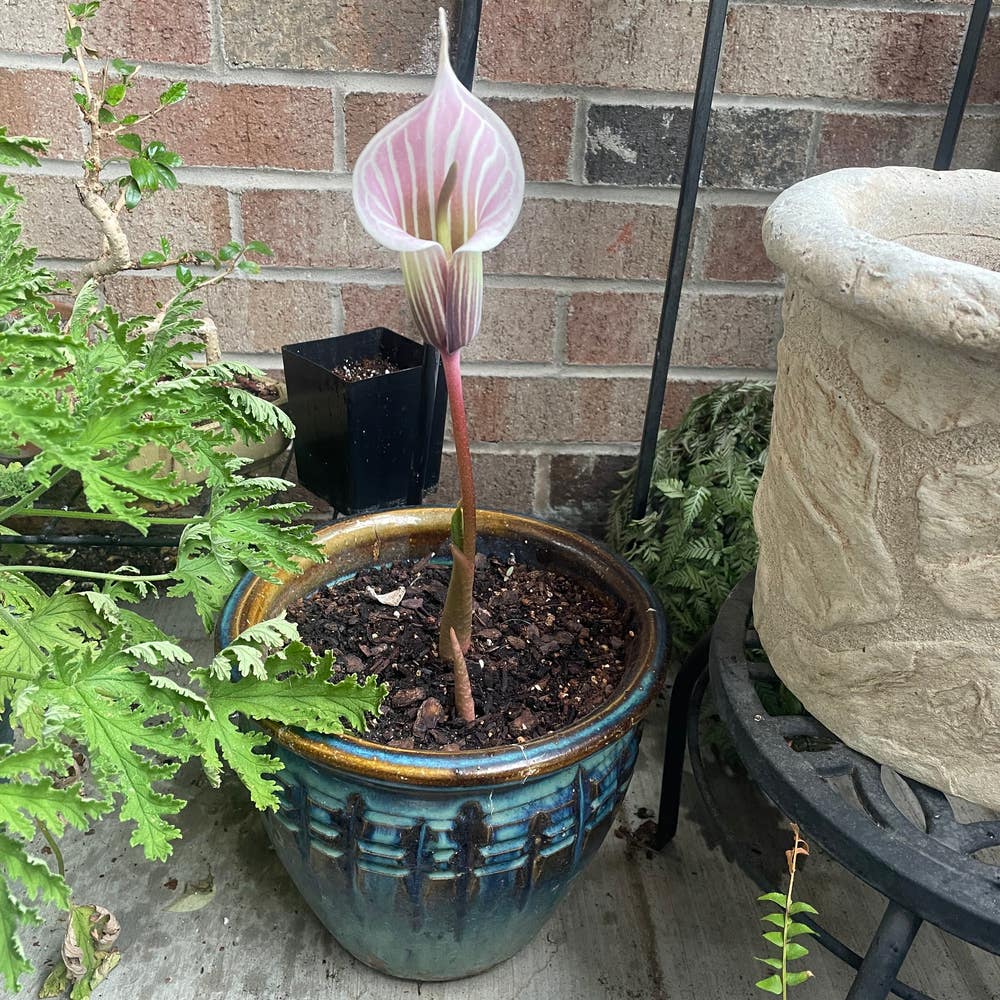
Good Temperature Range for Your Arisaema 🌡️
Arisaema ulugurense
By the Greg Editorial Team
Nov 26, 2024•5 min read
This article was created with the help of AI so we can cover more plants for you. May contain errors. See one? Report it here.
Unlock vibrant growth for your Arisaema 🌱 by mastering their temperature needs and preventing stress in your garden!
- 🌡️ Optimal temperature for Arisaema is 15°C to 25°C (59°F to 77°F).
- ❄️ Chilling period of 0°C to 5°C is essential for breaking dormancy in spring.
- 🌞 Monitor for heat stress symptoms like wilting leaves and drooping stems.
Temperature Needs
Optimal Temperature Range 🌡️
For your Arisaema, the ideal temperature range is between 15°C to 25°C (59°F to 77°F). However, different species may have unique preferences; some thrive in slightly cooler conditions.
Temperature Thresholds for Growth and Dormancy 📈
Understanding temperature thresholds is crucial for healthy growth. The minimum growth temperature is 10°C (50°F), while the maximum is 30°C (86°F).
When it comes to dormancy, Arisaema prefers a cooler environment, ideally between 0°C to 5°C (32°F to 41°F). This chilling period is essential for breaking dormancy in spring, ensuring your plants wake up refreshed and ready to grow.
By keeping these temperature needs in mind, you can create an optimal environment for your Arisaema. This knowledge sets the stage for understanding how temperature stress can impact your plants, which we’ll explore next.
Temperature Stress
Symptoms of Temperature Stress 🌡️
Temperature stress can manifest in various ways, and recognizing these symptoms is crucial for the health of your Arisaema.
Signs of heat stress include wilting leaves and drooping stems, which indicate that the plant is struggling to cope with excessive heat. You might also notice leaf scorch, where the edges turn brown, a clear signal that your plant is feeling the heat.
On the other hand, cold stress presents itself through yellowing leaves and stunted growth. If you see soft, mushy roots, this could mean frost damage has set in, and immediate action is needed to save your plant.
Causes of Temperature Stress 🔍
Understanding the causes of temperature stress can help you prevent it. One major factor is exposure to extreme temperatures, such as prolonged heat waves that exceed 30°C (86°F) or sudden drops below 0°C (32°F).
Inadequate acclimatization to temperature fluctuations can also lead to stress. If your Arisaema isn't used to the temperature swings, it may struggle to adapt. Additionally, poor soil drainage can exacerbate the situation, leading to root temperature extremes that further stress the plant.
Recognizing these symptoms and causes will empower you to take proactive steps in caring for your Arisaema. By maintaining optimal temperature conditions, you can ensure your plant thrives and flourishes.
Next, let's explore how seasonal temperature changes can impact your Arisaema's growth and dormancy.
Seasonal Temperature Considerations
🌡️ Temperature Changes Through the Seasons
Understanding how temperature fluctuates throughout the seasons is crucial for the health of your Arisaema. Each season presents unique challenges and opportunities for growth.
🌱 Spring: Growth Initiation
Spring is the perfect time for your Arisaema to wake up from dormancy. The ideal temperatures during this season encourage new growth, making it a critical period for nurturing your plants.
☀️ Summer: Monitoring Heat Stress
As summer rolls in, keep a close eye on your Arisaema. High temperatures can lead to heat stress, so providing shade during the hottest parts of the day is essential to protect your plants.
🍂 Fall: Preparing for Dormancy
In the fall, it’s time to prepare your Arisaema for dormancy. Gradually reducing temperatures helps your plants acclimate, ensuring they are ready to rest through the colder months.
❄️ Winter: Protection from Freezing
Winter brings its own set of challenges. Protecting your Arisaema from freezing temperatures is vital, as frost can severely damage these delicate plants.
By understanding these seasonal temperature considerations, you can create an optimal environment for your Arisaema to thrive. This knowledge will help you transition smoothly into the next topic: Geographic Considerations, where we’ll explore how location impacts temperature needs.
Geographic Considerations
🌍 Hardiness Zones
Understanding the hardiness zones is crucial for successfully growing Arisaema species. Most thrive in USDA zones 4-9, which means they can handle a range of temperatures but have specific needs based on their environment.
For instance, Arisaema triphyllum, commonly known as Jack-in-the-pulpit, is well-suited for zones 4-7. In contrast, Arisaema consanguineum prefers the warmer conditions found in zones 7-9. Knowing the hardiness zone of your Arisaema can guide you in providing the right care.
🌡️ Regional Temperature Impacts
Regional climate plays a significant role in determining the temperature needs of Arisaema. In northern regions, these plants often require greater cold tolerance due to harsher winters.
Conversely, southern regions face challenges with heat stress management. Here, it's essential to monitor temperatures closely and provide shade during peak summer months to prevent damage.
By understanding these geographic considerations, you can better cater to the specific needs of your Arisaema, ensuring they thrive in your garden.
As you prepare to care for your plants, consider how seasonal changes and local climate can influence their growth and dormancy.
Brief Mention of Humidity
Humidity plays a crucial role in how Arisaema perceives temperature. High humidity can make warm temperatures feel even hotter, putting additional stress on these plants.
When humidity levels rise alongside temperatures, Arisaema may struggle to cope. This combination can lead to increased stress, manifesting in symptoms like wilting or leaf scorch.
Understanding the interplay between humidity and temperature is essential for maintaining healthy Arisaema. By monitoring both factors, you can create an optimal environment that supports their growth and resilience.
As we move forward, let’s explore how seasonal temperature changes impact the care of your Arisaema.
⚠️ Safety First
This content is for general information and may contain errors, omissions, or outdated details. It is not medical, veterinary advice, or an endorsement of therapeutic claims.
Always consult a qualified healthcare professional before using any plant as food, medicine, or supplement.
Never eat any plant (or feed one to pets) without confirming its identity with at least two trusted sources.
If you suspect poisoning, call Poison Control (800) 222-1222, the Pet Poison Helpline (800) 213-6680, or your local emergency service immediately.
Spotted an error? Please report it here.
Keep your Arisaema flourishing by mastering its temperature needs 🌡️, and let Greg guide you with tailored reminders and tips for perfect plant care!