🌼 8 Plants That Thrive Alongside Arisaema
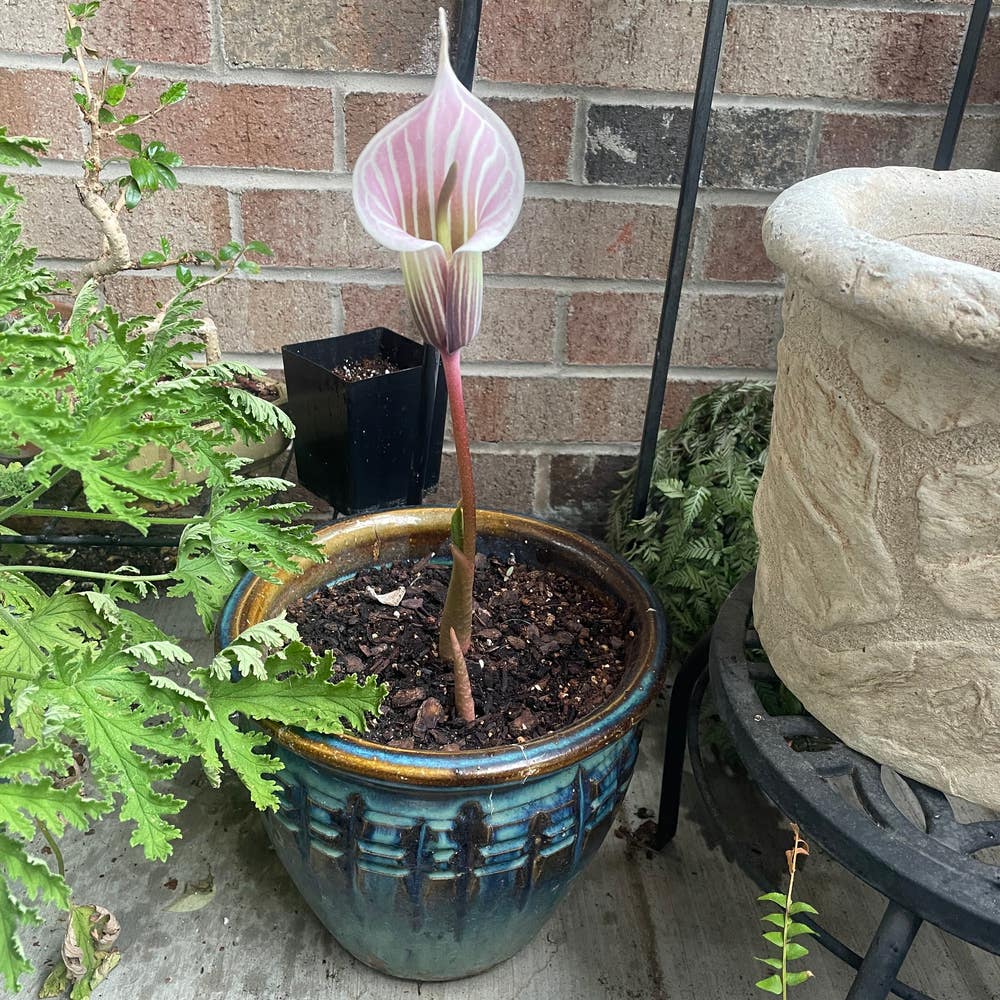
Arisaema ulugurense
By the Greg Editorial Team
Nov 26, 2024•5 min read
This article was created with the help of AI so we can cover more plants for you. May contain errors. See one? Report it here.
Boost your Arisaema's growth 🌱 and create a vibrant garden ecosystem with companion planting magic!
- 🌱 Companion planting boosts Arisaema's growth by enhancing soil health and nutrients.
- 🐝 Diverse plants attract beneficial insects, promoting a thriving garden ecosystem.
- 🌿 Certain companions deter pests naturally, reducing the need for chemicals.
Benefits of Companion Planting for Arisaema
Enhances Growth and Health 🌱
Companion planting is a powerful strategy that can significantly enhance the growth of Arisaema. By fostering relationships with compatible plants, you can improve soil health and nutrient availability, creating a thriving environment for your Arisaema.
This approach also reduces the need for chemical pest control. Natural interactions among plants can deter pests, allowing your garden to flourish without harmful chemicals.
Importance of Garden Diversity 🌼
Diversity in your garden promotes a balanced ecosystem. A variety of plants encourages beneficial insects and pollinators, which are crucial for a healthy garden.
Moreover, a diverse planting strategy increases resilience against pests and diseases. This means your Arisaema can thrive in a more stable environment, leading to a more vibrant garden overall.
Embracing companion planting not only supports your Arisaema but also enriches the entire garden ecosystem. As we explore the best companion plants for Arisaema, you'll see how these relationships can transform your garden into a lush, harmonious space.
Best Companion Plants for Arisaema
🌿 Hostas
Hostas are known for their large, lush foliage that thrives in shady spots. They prefer moist, well-drained soil and share similar watering needs with Arisaema, making them ideal companions.
🍃 Ferns
Ferns are shade-loving plants that boast delicate fronds, adding a soft touch to your garden. They thrive in the same conditions as Arisaema and require consistent moisture to flourish.
🌸 Trillium
Trillium is a native wildflower that features striking blooms and attractive foliage. Preferring shaded woodland environments, it has similar soil moisture needs and attracts pollinators, enhancing local biodiversity.
🌼 Pulmonaria
Pulmonaria, or lungwort, is an early spring bloomer with spotted leaves and vibrant blue flowers. Thriving in shade and requiring moist, well-drained soil, it provides early-season color and attracts beneficial insects.
🌺 Astilbe
Astilbe is a perennial known for its feathery flower plumes and attractive foliage. It prefers moist, rich soil and thrives in partial to full shade, adding height and visual interest while helping to retain soil moisture.
🌾 Japanese Forest Grass
Japanese Forest Grass features cascading foliage that adds an ornamental touch to your garden. It thrives in shaded areas with consistent moisture, providing a soft texture contrast to Arisaema and enhancing overall aesthetics.
❤️ Bleeding Heart
Bleeding Heart is recognized for its unique heart-shaped flowers and lush foliage. Thriving in partial shade and requiring moist, well-drained soil, it adds visual appeal and attracts pollinators to your garden.
🍂 Wild Ginger
Wild Ginger is a low-growing ground cover with heart-shaped leaves that complements Arisaema's foliage beautifully. Preferring shaded, moist environments, it shares similar care requirements and helps suppress weeds effectively.
These companion plants not only enhance the beauty of your garden but also create a thriving ecosystem that supports Arisaema's growth. Next, we’ll explore how these plants can help manage pests naturally, ensuring a healthy garden environment.
Pest Management with Companion Plants
🐞 Deter Pests Naturally
Companion planting is a powerful strategy for managing pests in your garden. Certain plants possess natural pest-repelling properties that can protect Arisaema and enhance its growth.
A diverse planting strategy not only creates a more vibrant garden but also helps reduce pest populations. By mixing various species, you create an environment that is less inviting to pests, promoting a healthier ecosystem.
🌿 Specific Pest-Repellent Properties
Arisaema can attract pests like aphids and slugs, which can hinder its growth. However, companion plants can play a crucial role in deterring these nuisances.
For instance, marigolds are known to repel aphids, while certain herbs like mint can deter slugs. Incorporating these plants alongside Arisaema can create a natural barrier against common garden pests, ensuring your plants thrive.
By strategically selecting companion plants, you not only protect Arisaema but also contribute to a balanced garden ecosystem. This approach fosters a healthier environment for all your plants, paving the way for a flourishing garden.
Next, let's explore how to enhance the visual appeal of your garden with thoughtful plant arrangements.
Visual Appeal and Aesthetic Considerations
🌿 Foliage Contrast and Color Combinations
Creating a visually stunning garden involves playing with different leaf shapes, sizes, and colors. Arisaema, with its unique foliage, can be beautifully complemented by companion plants that offer contrasting textures and hues.
For instance, pairing Arisaema with the broad, lush leaves of hostas creates a striking visual contrast. The deep greens of hostas enhance the intricate patterns of Arisaema's leaves, while the vibrant blooms of pulmonaria add splashes of color in early spring. Such combinations not only elevate the aesthetic appeal but also create a dynamic garden environment.
📏 Height and Texture Variations
Layering plants is essential for adding depth and dimension to your garden. By arranging taller plants like astilbe behind the more delicate Arisaema, you create a visually engaging backdrop that draws the eye.
Consider using ferns and wild ginger at the front to soften the edges and provide a lush ground cover. This thoughtful arrangement not only enhances visual interest but also promotes a sense of harmony within the garden. By mixing heights and textures, you can create a captivating landscape that showcases the beauty of Arisaema and its companions.
As you explore these aesthetic considerations, remember that the right combinations can transform your garden into a vibrant sanctuary. Next, let’s delve into how companion plants can help manage pests naturally, ensuring your garden remains healthy and thriving.
⚠️ Safety First
This content is for general information and may contain errors, omissions, or outdated details. It is not medical, veterinary advice, or an endorsement of therapeutic claims.
Always consult a qualified healthcare professional before using any plant as food, medicine, or supplement.
Never eat any plant (or feed one to pets) without confirming its identity with at least two trusted sources.
If you suspect poisoning, call Poison Control (800) 222-1222, the Pet Poison Helpline (800) 213-6680, or your local emergency service immediately.
Spotted an error? Please report it here.
Transform your garden into a vibrant sanctuary 🌿 by using Greg's tailored care reminders to nurture Arisaema and its perfect companions for a thriving ecosystem!