Understanding Brown Spots on Your Arisaema Leaves
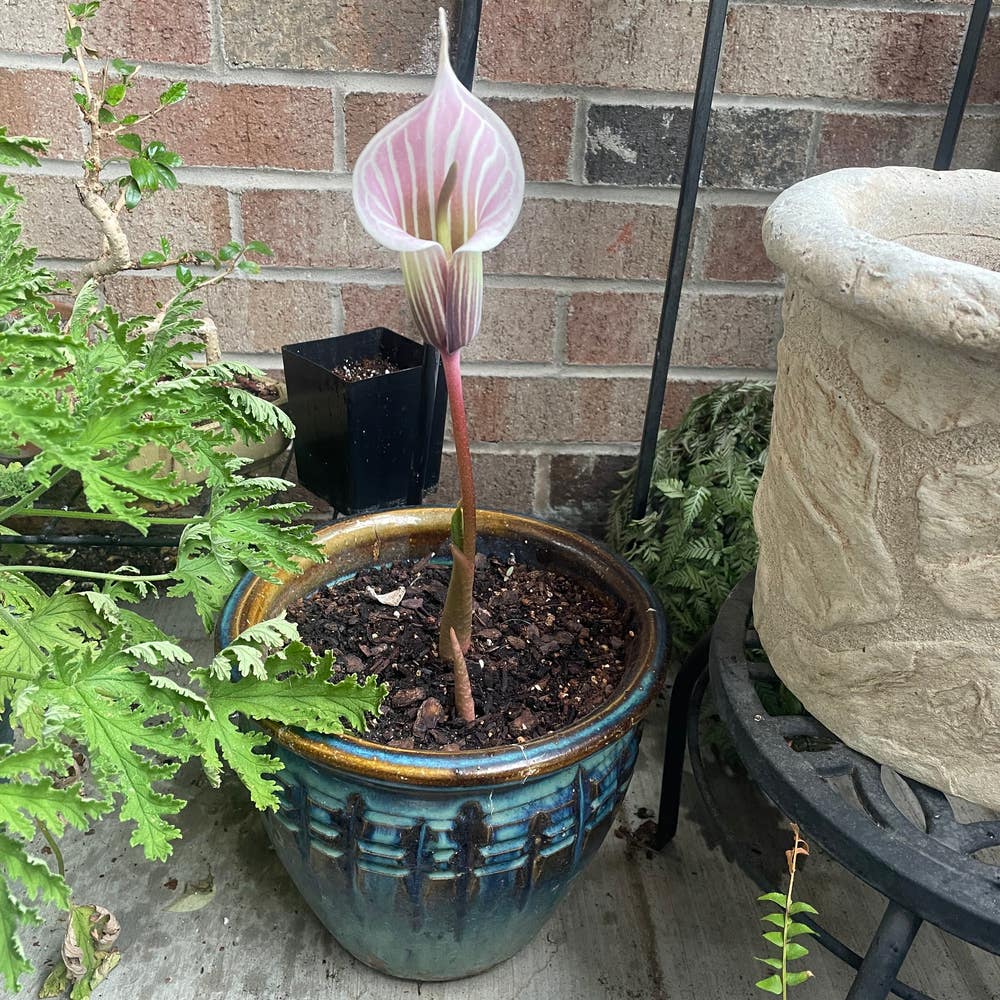
Arisaema ulugurense
By the Greg Editorial Team
Nov 26, 2024•6 min read
This article was created with the help of AI so we can cover more plants for you. May contain errors. See one? Report it here.
Revitalize your Arisaema 🌱 by uncovering the secrets to preventing and treating those stubborn brown spots!
- 🌱 Brown spots on Arisaema indicate fungal, bacterial, or nutrient issues needing attention.
- 💧 Environmental stress from drought or overwatering causes leaf discoloration and damage.
- 🛠️ Regular monitoring and care can prevent and treat brown spots effectively.
Causes of Brown Spots
🦠 Fungal Infections
Fungal infections are a common culprit behind brown spots on Arisaema leaves. Leaf spot fungi, in particular, create dark brown spots surrounded by yellow halos, leading to wilting and leaf drop.
Conditions that promote fungal growth include high humidity and poor air circulation. Overwatering and waterlogged soil can exacerbate these issues, creating a perfect environment for fungi to thrive.
🦠 Bacterial Infections
Bacterial infections can also lead to unsightly brown spots. These infections typically present as water-soaked lesions that eventually turn brown, often accompanied by a foul odor.
Excess moisture on leaves and poor drainage in the soil are key factors that favor bacterial growth. Keeping your plants dry and ensuring proper drainage can help mitigate these risks.
🌵 Environmental Stress
Drought
Drought stress manifests as brown, crispy edges on leaves, along with wilting and stunted growth. Maintaining consistent soil moisture is crucial to prevent these symptoms.
Excess Moisture
On the flip side, overwatering can lead to yellowing leaves and root rot. Brown spots often appear first on the lower leaves, signaling that the plant is struggling with excess moisture.
🥦 Nutrient Deficiencies
Nutrient deficiencies can also cause leaf discoloration. A nitrogen deficiency typically results in overall yellowing and brown spots, while potassium deficiency leads to browning at the leaf tips.
Balanced fertilization is essential for maintaining plant health. Ensuring your Arisaema receives the right nutrients can prevent these issues and promote vibrant growth.
Understanding these causes is vital for effective plant care. By addressing these factors, you can help your Arisaema thrive and reduce the occurrence of brown spots.
Diagnosing the Issue
🌟 Identifying the Type of Brown Spots
Spot Size and Shape
When examining brown spots on your Arisaema leaves, the size and shape can provide crucial clues. Small, round spots typically indicate fungal or bacterial infections, while larger, irregular patches may signal environmental stress or nutrient deficiencies.
Location on the Leaf
The location of the spots also matters. If the lower leaves are affected first, it often points to overwatering or root issues. Conversely, if the upper leaves show signs of distress, it might be due to fungal infections or environmental stressors.
🌍 Assessing Environmental Factors
Soil Conditions
Next, consider the soil conditions. Check the soil moisture levels to determine if it’s waterlogged or excessively dry, as both extremes can harm your plant. Additionally, ensure that your soil type is well-draining to prevent root rot.
Light Exposure
Light exposure plays a significant role in leaf health. Ideally, Arisaema thrives in partial to full shade. If you notice leaf scorch or brown spots, it may be a sign that your plant is getting too much sunlight.
Watering Practices
Lastly, evaluate your watering practices. Aim for deep watering rather than shallow watering to encourage strong root growth. Remember to allow the soil to dry slightly between waterings to prevent excess moisture, which can lead to further issues.
By carefully diagnosing the type of brown spots and assessing environmental factors, you can take informed steps to restore your Arisaema's health. This understanding sets the stage for exploring effective treatment options next.
Treatment Options
Immediate Actions to Take 🌱
Pruning Affected Leaves
Pruning is a crucial first step in managing brown spots on your Arisaema leaves. Use clean, sharp tools to carefully remove any affected leaves, ensuring you cut close to the base to minimize damage to the plant.
Dispose of the pruned leaves properly to prevent the spread of any potential infections. This simple action can significantly improve your plant's overall health.
Adjusting Watering Practices
Next, assess your watering habits. If you suspect overwatering, reduce the frequency of your watering sessions to allow the soil to dry out slightly between waterings.
Ensure that your pots or garden beds have proper drainage to prevent water from pooling, which can lead to root rot and exacerbate leaf issues.
Chemical Treatments 🧪
Recommended Fungicides
When it comes to tackling fungal infections, copper-based fungicides are often the go-to solution. These fungicides are effective against a variety of fungal diseases that can cause brown spots on your Arisaema leaves.
Follow the application instructions carefully, and always take necessary safety precautions to protect yourself and the environment.
Organic Treatment Options 🌿
If you prefer a more natural approach, consider using neem oil. This versatile remedy is effective against both fungal and bacterial infections, making it a great option for treating leaf spots.
Another preventive measure is a baking soda solution, which can help inhibit fungal growth. Regular application of these organic treatments can keep your plants healthy and thriving.
By taking these immediate actions and considering both chemical and organic treatments, you can effectively manage brown spots on your Arisaema leaves.
Next, let's explore preventive measures to ensure your plants stay healthy and vibrant throughout the growing season.
Preventive Measures
Best Practices for Care 🌱
Proper Watering Techniques
Watering your Arisaema correctly is crucial for preventing brown spots. Aim to water deeply but infrequently, allowing the soil to dry out slightly between sessions.
Regularly monitor soil moisture to ensure it remains consistent. This practice helps avoid both drought stress and overwatering, which can lead to various issues.
Soil Amendments
Improving soil quality can significantly enhance your plant's health. Adding organic matter boosts drainage, preventing waterlogged conditions that can harm roots.
Using mulch is another effective strategy. It retains moisture while allowing excess water to escape, creating a balanced environment for your Arisaema.
Fertilization Tips
A balanced fertilization schedule is essential for vibrant growth. Apply a balanced fertilizer in early spring to provide necessary nutrients.
Be cautious not to over-fertilize, as this can lead to nutrient imbalances and exacerbate leaf discoloration. A little goes a long way in maintaining plant health.
Seasonal Care Considerations 🌦️
Preparing for Winter
As winter approaches, take steps to protect your Arisaema. Mulching around the base helps insulate roots from freezing temperatures.
Additionally, reduce watering as the plant's growth slows down. This adjustment prevents excess moisture that can lead to root rot during the colder months.
Spring Growth Management
Spring is a time for rejuvenation, but it also requires vigilance. Inspect your plants for any signs of disease that may have developed over winter.
Gradually increase watering as temperatures rise, ensuring your Arisaema receives the hydration it needs to thrive. This careful management sets the stage for a healthy growing season ahead.
Monitoring and Maintenance
Regular Inspection of Leaves 🌿
Routine checks on your Arisaema leaves are crucial for early detection of brown spots and other issues. By observing your plants regularly, you can document changes in leaf health over time, allowing for timely interventions.
Record-Keeping for Plant Health 📓
Keeping a care journal can significantly enhance your plant care routine. Track your watering schedules, fertilization, and any treatments applied, while also noting changes in leaf appearance or growth patterns.
When to Seek Professional Help 📞
There are clear signs that indicate when it's time to call in a professional. If you notice persistent brown spots despite your best treatment efforts or observe a rapid decline in plant health, seeking expert advice is essential to prevent further damage.
By staying vigilant and maintaining records, you can ensure your Arisaema thrives and remains healthy. This proactive approach sets the stage for effective treatment and care, leading to a flourishing plant.
⚠️ Safety First
This content is for general information and may contain errors, omissions, or outdated details. It is not medical, veterinary advice, or an endorsement of therapeutic claims.
Always consult a qualified healthcare professional before using any plant as food, medicine, or supplement.
Never eat any plant (or feed one to pets) without confirming its identity with at least two trusted sources.
If you suspect poisoning, call Poison Control (800) 222-1222, the Pet Poison Helpline (800) 213-6680, or your local emergency service immediately.
Spotted an error? Please report it here.
Combat those pesky brown spots on your Arisaema leaves with Greg's tailored care reminders 🌱 that help you track watering and monitor soil conditions for thriving plants!