How Long Your Arisaema Will Live ⏰
Arisaema ulugurense
By the Greg Editorial Team
Nov 26, 2024•6 min read
This article was created with the help of AI so we can cover more plants for you. May contain errors. See one? Report it here.
Unlock the secrets of Arisaema's life cycle 🌱 and learn how to nurture these unique plants from seed to bloom! 🌸
- 🌱 Arisaema seeds germinate in 2 to 4 weeks with optimal temperature and moisture.
- 🌼 Average lifespan is 10 to 15 years, thriving with proper care and conditions.
- 🌞 Light and soil quality are crucial for growth; some prefer shade, others light.
Seed and Germination Stage
Duration of Germination Period 🌱
The germination period for Arisaema seeds typically spans 2 to 4 weeks under optimal conditions. This timeframe can vary based on environmental factors, so patience is key during this initial stage.
Conditions for Successful Germination 🌡️
To ensure successful germination, maintain a temperature range between 15°C to 25°C (59°F to 77°F). Additionally, provide consistent moisture without waterlogging, as too much water can hinder seed development.
Factors Affecting Germination Rates 📈
Several factors influence germination rates. Seed viability plays a crucial role; fresh seeds generally exhibit higher germination rates compared to older ones.
Light exposure is another critical factor. While some Arisaema species thrive in light, others prefer the darkness for germination. Understanding these needs can significantly enhance your success in growing these fascinating plants.
As you embark on your journey with Arisaema, remember that the right conditions can make all the difference. With proper care, you'll soon witness the emergence of these unique plants, setting the stage for their growth and development.
Next, we’ll explore the seedling stage, where your Arisaema will begin to take shape and establish its roots.
Seedling Stage
Length of Seedling Development 🌱
The seedling stage of Arisaema lasts about 1 to 2 years. During this time, the plant prepares for its transition to vegetative growth.
Characteristics of Arisaema Seedlings 🌿
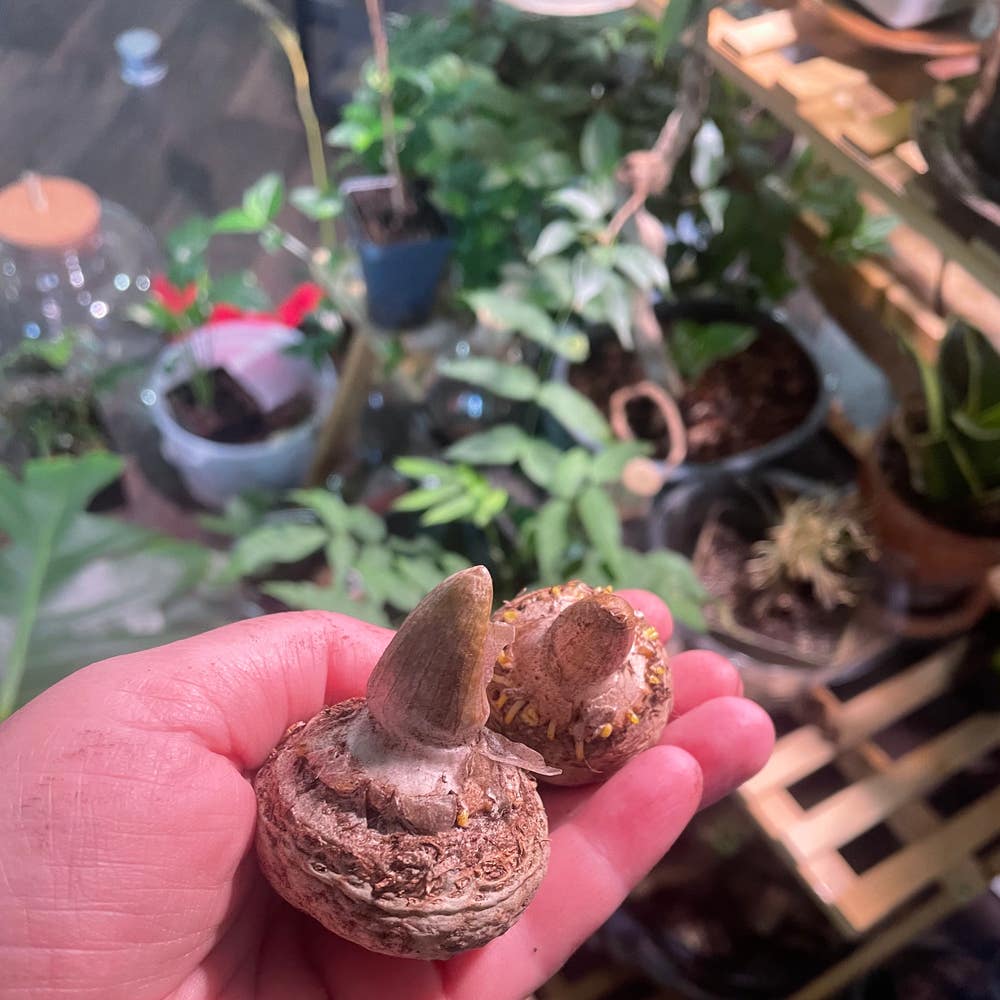
At this stage, you’ll notice small, delicate leaves pushing through the soil. The seedlings also begin developing tuberous roots, which are crucial for their future growth.
Environmental Needs During the Seedling Stage 🌳
Arisaema seedlings thrive in partial to full shade, making them perfect for woodland gardens. They prefer well-draining soil rich in organic matter to support their delicate roots.
Providing the right conditions during this stage is essential for a healthy transition to the next growth phase. As these seedlings mature, they will set the foundation for a robust and vibrant plant.
With the seedlings well on their way, let’s explore the exciting vegetative growth stage next.
Vegetative Growth Stage
Duration of Vegetative Growth 🌱
The vegetative growth stage of Arisaema typically lasts between 2 to 5 years. This duration can vary significantly based on the specific species and the environmental conditions they are exposed to.
Changes in Plant Structure and Appearance 🌿
During this stage, you'll notice remarkable changes in the plant's structure. Larger, more complex leaves begin to emerge, giving the plant a fuller appearance.
Height Increase 📏
As the vegetative growth progresses, Arisaema plants can reach impressive heights, sometimes soaring several feet tall. This growth not only enhances their visual appeal but also prepares them for the flowering stage ahead.
Nutritional and Environmental Requirements 🌍
To thrive, Arisaema requires a nutrient-rich environment. Regularly adding organic matter to the soil is essential to support their growth.
Watering Needs 💧
Consistent moisture is crucial, especially during dry periods. Ensuring the plants receive adequate water will help them flourish and maintain their vibrant growth.
As we explore the next stage, the flowering phase, you'll see how these robust plants transition from growth to reproduction, showcasing their unique beauty.
Flowering Stage
Timeline for Flowering Initiation 🌱
The flowering stage of Arisaema typically begins 3-5 years after germination. This timeline can vary based on the specific species and environmental conditions.
Description of Arisaema Flowers 🌸
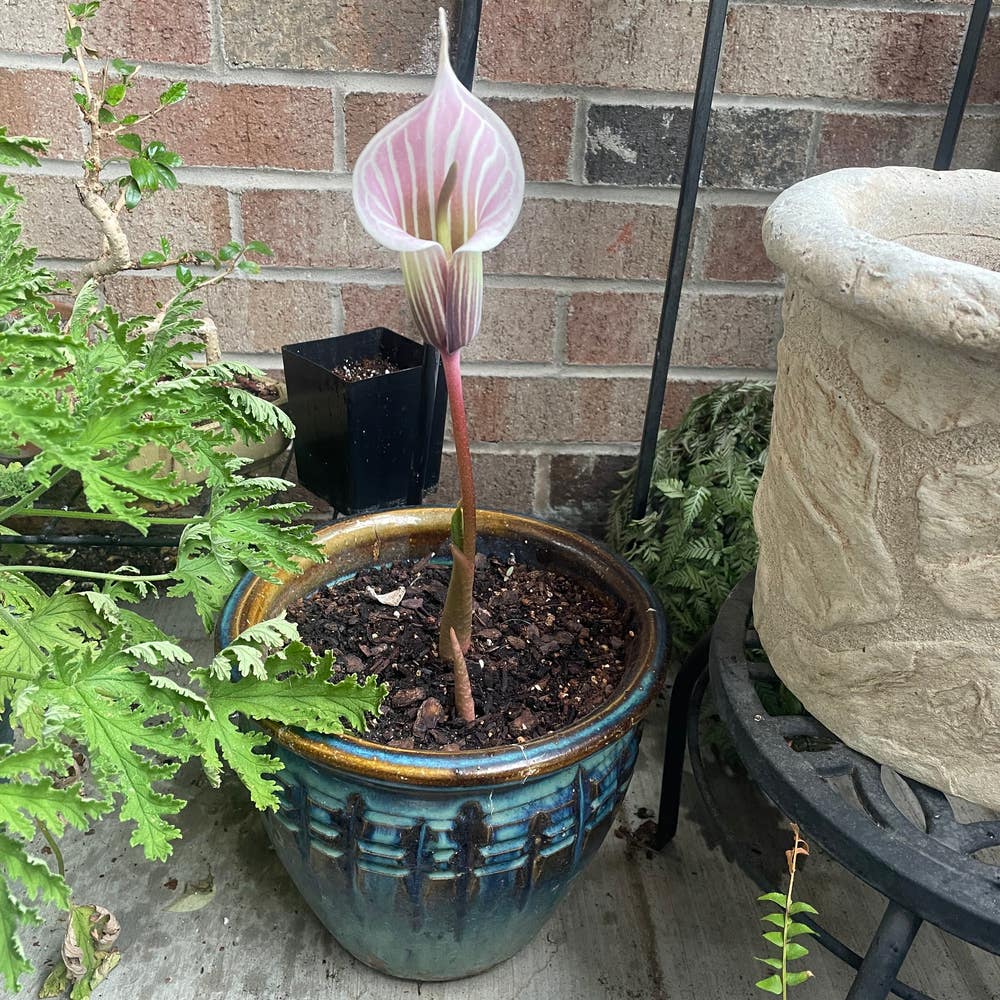
Arisaema flowers are truly unique, featuring hooded spathes that create a striking visual appeal. Their distinctive inflorescence not only catches the eye but also attracts various pollinators.
Color Variations 🎨
The color and size of Arisaema flowers can differ significantly among species. This diversity adds to the charm of these plants, making them a fascinating addition to any garden.
Pollination and Its Role in the Life Cycle 🐝
Pollination is crucial for Arisaema, as specific insects are drawn to their flowers. This process is essential for successful seed production and contributes to the genetic diversity of the species.
Importance of Pollination 🌼
Without effective pollination, the lifecycle of Arisaema would be incomplete. Ensuring that these plants attract the right pollinators is vital for their continued growth and reproduction.
As we explore the next stage, seed production and maturation, we’ll uncover how these beautiful flowers transition into the next phase of their life cycle.
Seed Production and Maturation
Duration of Seed Production Phase 🌱
After flowering, Arisaema plants enter the seed production phase, which typically lasts between 1 to 2 months. During this time, the seeds begin to develop and mature.
Process of Seed Maturation ⏳
Once pollination occurs, seeds take about 4 to 6 weeks to mature. This timeline is crucial for ensuring that the seeds are ready for dispersal and future growth.
Factors Influencing Seed Viability and Dispersal 🌍
Several environmental conditions play a significant role in seed viability. Temperature and moisture levels are key factors that can affect the quality of the seeds.
Dispersal Mechanisms
Seeds of Arisaema are dispersed through natural processes. Wind and animal activity help in spreading the seeds, ensuring that they find suitable locations for germination.
Understanding the seed production and maturation phase is essential for appreciating the life cycle of Arisaema. This knowledge sets the stage for exploring the overall lifespan and growth rate of these fascinating plants.
Overall Lifespan and Growth Rate
🌱 Average Lifespan of Arisaema
Arisaema plants typically enjoy a lifespan of 10 to 15 years. Under ideal conditions, some species can even exceed this range, thriving for longer periods.
⏳ Factors Affecting Growth Rate and Longevity
Several environmental factors play a crucial role in determining the growth rate and longevity of Arisaema. Soil quality, moisture levels, and light availability are key influences that can either promote or hinder their development.
Different species of Arisaema also exhibit variability in growth rates. This means that while some may flourish quickly, others may take their time to reach maturity.
🔄 Notable Changes Throughout the Life Cycle
As Arisaema transitions from seedling to mature plant, it undergoes significant changes in size and structure. These transformations are accompanied by the development of reproductive capabilities, marking a crucial phase in their life cycle.
Seasonal changes further impact Arisaema's growth. During winter, these plants enter a state of dormancy, conserving energy, while spring and summer bring a burst of active growth, showcasing their vibrant foliage and unique flowers.
This journey from seed to maturity is not just a biological process; it’s a testament to the resilience and adaptability of Arisaema. Understanding these stages enriches our appreciation for these fascinating plants and their role in the ecosystem.
As we explore the flowering stage next, we’ll uncover the beauty and intricacies of Arisaema's reproductive phase.
⚠️ Safety First
This content is for general information and may contain errors, omissions, or outdated details. It is not medical, veterinary advice, or an endorsement of therapeutic claims.
Always consult a qualified healthcare professional before using any plant as food, medicine, or supplement.
Never eat any plant (or feed one to pets) without confirming its identity with at least two trusted sources.
If you suspect poisoning, call Poison Control (800) 222-1222, the Pet Poison Helpline (800) 213-6680, or your local emergency service immediately.
Spotted an error? Please report it here.
Nurture your Arisaema from seedling to bloom and enjoy their 10 to 15-year journey with Greg's tailored care reminders to keep them thriving! 🌿