🌞 How to Grow Arisaema: From Soil to Sun
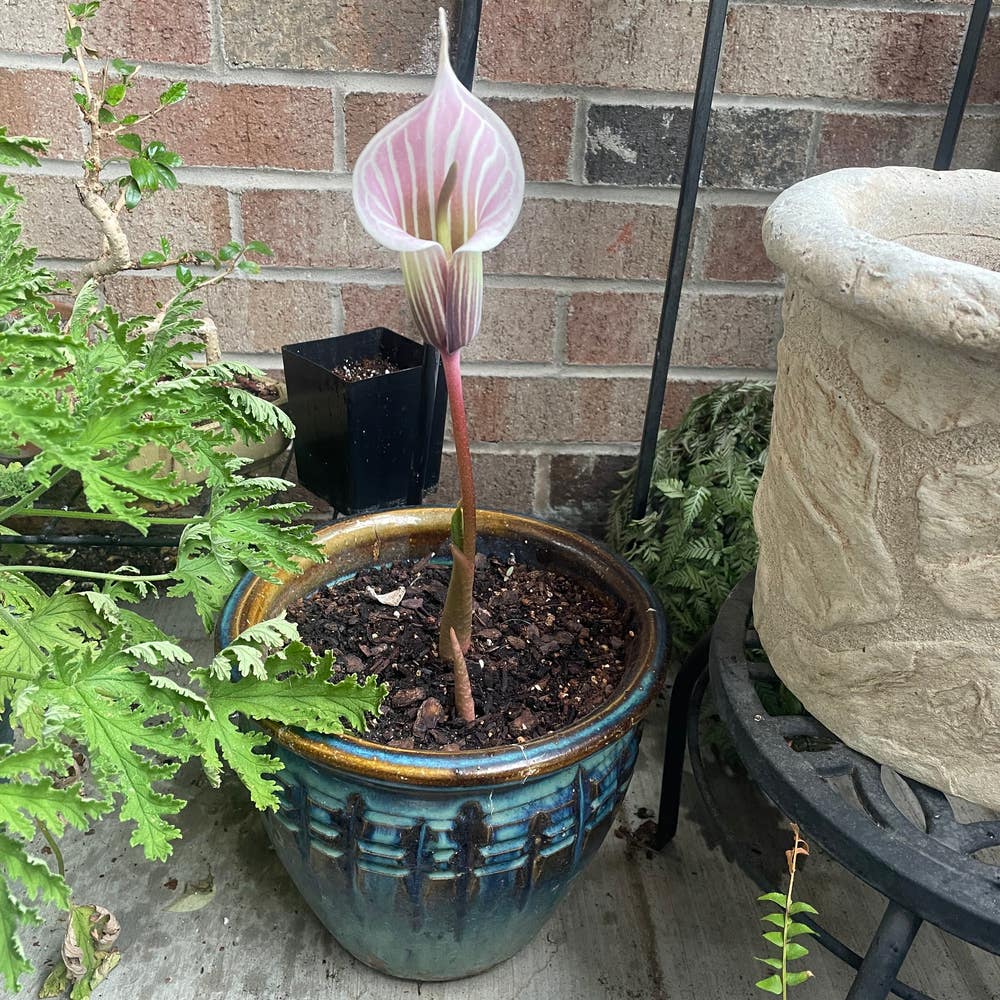
Arisaema ulugurense
By the Greg Editorial Team
Nov 26, 2024•5 min read
This article was created with the help of AI so we can cover more plants for you. May contain errors. See one? Report it here.
Cultivate stunning Arisaema plants 🌱 with expert tips on location, soil, and seasonal care for vibrant growth! 🌼
- 🌳 Arisaema thrives in shaded areas, avoiding direct sunlight to prevent leaf scorch.
- 🌱 Moist, well-draining soil with pH 5.5-7.0 is crucial for healthy growth.
- 🌬️ Create a microclimate to protect Arisaema from wind and extreme temperatures.
Choosing the Right Location
🌞 Sunlight Requirements
When growing Arisaema, selecting the right light conditions is crucial. These plants thrive in shaded to partially shaded areas, which provide the ideal environment for their growth.
Direct sunlight can be detrimental, leading to leaf scorch and dehydration. It's essential to find a balance that allows your Arisaema to flourish without the harsh effects of too much sun.
🌬️ Microclimate Considerations
Creating a suitable microclimate is another key factor in successful Arisaema cultivation. Providing shelter from wind and extreme temperatures can significantly enhance their growth and resilience.
Take the time to assess your local conditions, including humidity and temperature variations. Understanding these factors will help you create an environment where your Arisaema can thrive throughout the seasons.
With the right location and microclimate in place, you're well on your way to nurturing healthy Arisaema plants. Next, let's dive into soil preparation to ensure your plants have the best foundation for growth.
Soil Preparation
Ideal Soil Composition 🌱
To grow healthy Arisaema, start with the right soil. Aim for moist, well-draining loam or sandy loam, which provides the perfect balance of moisture retention and drainage.
Incorporating organic matter, like compost, enhances soil fertility. This addition not only nourishes your plants but also improves soil structure, promoting healthy root development.
pH Levels and Amendments ⚗️
The optimal pH range for Arisaema is between 5.5 and 7.0. Maintaining this balance is crucial for nutrient absorption and overall plant health.
Regular soil testing is essential to ensure your soil stays within this range. If adjustments are needed, you can use lime to raise pH or sulfur to lower it, ensuring your plants thrive in their environment.
With the right soil preparation, your Arisaema will be set for success. Next, let’s explore the best planting techniques to get those tubers in the ground!
Planting Techniques
Timing for Planting 🌱
The best time to plant Arisaema is during early spring or fall. This timing allows the tubers to establish roots before the heat of summer or the chill of winter sets in.
Regional climate can influence your planting schedule. In warmer areas, you might plant a bit earlier in spring, while cooler regions may require a later start.
Depth and Spacing Guidelines 📏
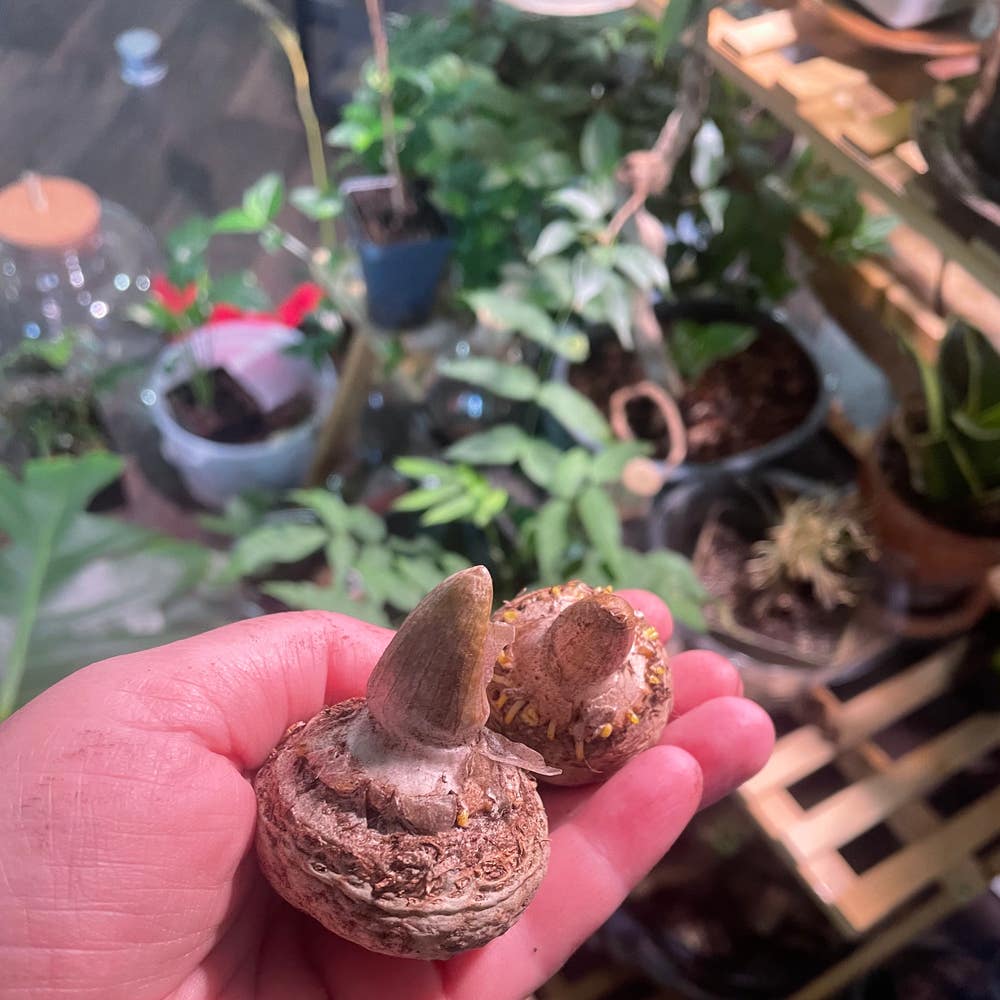
When planting Arisaema tubers, aim for a depth of 3 to 4 inches. This depth helps protect the tubers while allowing them to access the moisture and nutrients they need.
Spacing is equally important for healthy growth. Position your tubers 12 to 18 inches apart to ensure they have enough room to thrive without competing for resources.
With proper timing and spacing, your Arisaema will have the best chance to flourish. Next, let’s explore the watering requirements to keep your plants healthy and vibrant.
Watering Requirements
Frequency and Amount 🌧️
To keep your Arisaema thriving, maintain a consistent moisture level in the soil, especially during its active growth periods. If you're growing in containers, be prepared to water more frequently, as they tend to dry out faster than garden beds.
Signs of Overwatering or Underwatering 🚨
Watch for yellowing leaves, which can signal overwatering and potential root rot. Conversely, if you notice wilting or browning leaf edges, your plant may be suffering from underwatering.
Understanding these watering requirements is crucial for the health of your Arisaema. With the right care, your plants will flourish and bring beauty to your garden.
Next, let's explore common challenges and solutions to ensure your Arisaema continues to thrive.
Common Challenges and Solutions
🐛 Pests and Diseases
Identification and Treatment
Arisaema plants can face a variety of pests, including aphids, slugs, and snails. These pests can damage leaves and hinder growth, so it's essential to identify them early.
Fungal infections and root rot are common disease issues that can arise, especially in overly moist conditions. To combat these problems, consider using organic pesticides, handpicking pests, and improving air circulation around your plants.
🌡️ Environmental Challenges
Dealing with Extreme Temperatures
Extreme temperatures can stress Arisaema plants, making protection crucial. Mulching around the base can help insulate the roots, while providing shade during the hottest parts of the day can prevent leaf scorch.
Managing Humidity Levels
Maintaining adequate humidity is vital for healthy growth, particularly in dry conditions. Misting your plants or using humidity trays can help create a more favorable environment.
🛠️ Troubleshooting Growth Issues
Yellowing Leaves
If you notice yellowing leaves, it could indicate nutrient deficiencies or overwatering. Adjusting your care routine and incorporating soil amendments can often resolve these issues.
Stunted Growth
Stunted growth may stem from poor soil conditions or inadequate light exposure. Improving soil quality and ensuring your plants receive sufficient light can help them thrive.
By addressing these common challenges, you can ensure your Arisaema plants remain healthy and vibrant. Next, let's explore the seasonal care needed to keep them flourishing throughout the year.
Seasonal Care
Spring Care 🌱
As Arisaema emerges from its winter slumber, you'll notice signs of new growth, such as fresh shoots breaking through the soil. This is the perfect time to adjust your fertilization and watering routine to support robust development.
Summer Care ☀️
During the summer months, keep a close eye on moisture levels. Arisaema requires more frequent watering as temperatures rise, so ensure the soil remains consistently moist.
Fall Care 🍂
As fall approaches, it's time to prepare your Arisaema for dormancy. Begin reducing watering and fertilization, and consider pruning any dead foliage to keep the plant healthy.
Winter Care ❄️
Winter is crucial for your Arisaema's rest period. Protect the tubers by applying mulch and ensuring they are shielded from frost exposure, allowing them to recharge for the next growing season.
With these seasonal care tips, your Arisaema will thrive throughout the year, setting the stage for a vibrant display in your garden. Next, let's explore common challenges and solutions to keep your plants healthy and flourishing.
⚠️ Safety First
This content is for general information and may contain errors, omissions, or outdated details. It is not medical, veterinary advice, or an endorsement of therapeutic claims.
Always consult a qualified healthcare professional before using any plant as food, medicine, or supplement.
Never eat any plant (or feed one to pets) without confirming its identity with at least two trusted sources.
If you suspect poisoning, call Poison Control (800) 222-1222, the Pet Poison Helpline (800) 213-6680, or your local emergency service immediately.
Spotted an error? Please report it here.
Transform your Arisaema into a lush masterpiece 🌿 with Greg's tailored care reminders and soil testing features that ensure your plants flourish in their perfect environment!