What to Do if Your Arisaema Won't Flower 🌸
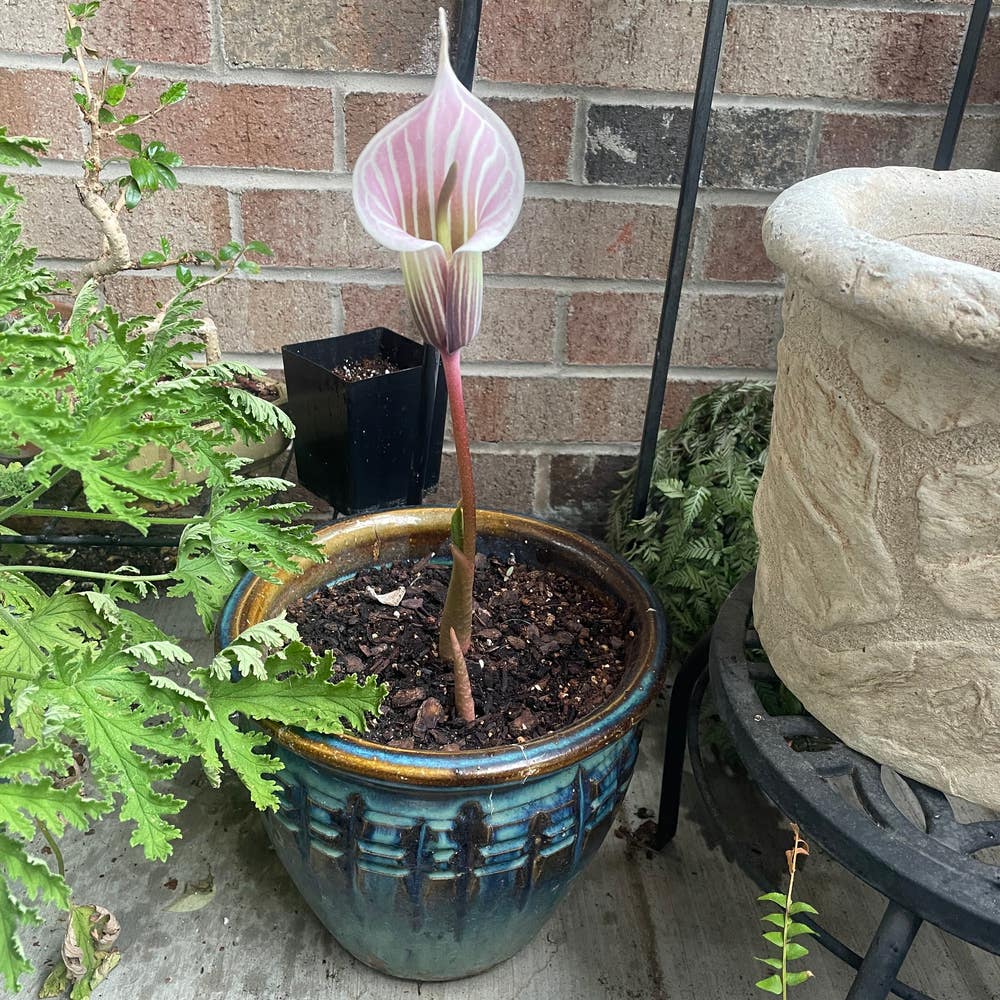
Arisaema ulugurense
By the Greg Editorial Team
Nov 26, 2024•6 min read
This article was created with the help of AI so we can cover more plants for you. May contain errors. See one? Report it here.
Master essential care tips 🌱 to unlock vibrant Arisaema blooms and troubleshoot common flowering issues!
- 🌞 Proper light exposure is crucial for Arisaema to flower successfully.
- 🌱 Nutritional deficiencies can hinder blooms; use balanced fertilizers in spring.
- 🌡️ Stable temperatures and humidity are essential to prevent bud drop and promote flowering.
Common Reasons for Not Flowering
🌤️ Environmental Factors Affecting Flowering
Light plays a crucial role in the flowering of Arisaema. Ideally, these plants thrive in partial to full shade, where they can receive dappled sunlight without being scorched. Insufficient light can lead to reduced flowering or, in some cases, no blooms at all.
Another factor to consider is seasonal dormancy. This natural cycle affects flowering in certain species, causing them to rest during specific times of the year. As a result, you may experience delayed flowering in subsequent seasons, which can be frustrating for eager gardeners.
🌱 Nutritional Deficiencies and Their Impact on Blooms
Key nutrients are essential for promoting vibrant blooms. The right balance of nitrogen, phosphorus, and potassium (NPK) is vital, along with important micronutrients like magnesium and calcium. Without these, your Arisaema may show symptoms such as yellowing leaves, stunted growth, and a lack of blooms.
To address nutritional issues, consider using balanced NPK fertilizers or organic options. Timing is also critical; applying fertilizers in early spring, just before blooming, can set your plants up for success.
✂️ Pruning Practices That Influence Flower Development
Pruning is an important practice that can significantly impact flower development. By removing dead or damaged foliage, you help redirect the plant's energy towards producing blooms.
For the best results, prune your Arisaema in late winter or early spring, just before new growth begins. Use clean, sharp pruning shears to make precise cuts. Improper pruning, however, can lead to reduced flowering or even bud drop, so it’s essential to approach this task with care.
Understanding these common reasons for non-flowering can help you troubleshoot and enhance your Arisaema's blooming potential. Next, we’ll explore specific flowering issues, including causes of premature flower drop and abnormal flower development.
Specific Flowering Issues
🌼 Causes of Premature Flower Drop
Premature flower drop can be frustrating for any gardener. Environmental stressors often play a significant role in this issue.
Temperature Fluctuations
Sudden temperature changes, like unexpected cold snaps or heat waves, can shock your Arisaema. These fluctuations can lead to the premature dropping of buds before they have a chance to bloom.
Humidity Levels
Low humidity can also stress your plants, making them more susceptible to dropping flowers. Maintaining an appropriate humidity level is crucial for healthy blooms.
🛠️ Solutions to Prevent Bud Drop
To combat premature flower drop, consider these effective solutions.
Consistent Watering Practices
Regularly watering your Arisaema helps maintain soil moisture. This consistency is vital for preventing stress that can lead to bud drop.
Mulching
Applying mulch around your plants can help retain moisture and regulate soil temperature. This simple step can create a more stable environment for your flowers.
🌸 Abnormal Flower Development
Abnormal flower development can manifest in various ways, often leaving gardeners puzzled.
Common Abnormalities
Deformed flowers can occur due to several factors, including environmental stress or nutrient deficiencies. Additionally, some plants may fail to produce flowers altogether, which can be disheartening.
🌱 Solutions for Improving Flower Production
Fortunately, there are ways to enhance flower production and address these abnormalities.
Adjusting Care Practices
Modifying care practices, such as adjusting light exposure, watering schedules, and nutritional inputs, can significantly impact flower development. Tailoring these elements to your plant's needs is essential.
Monitoring Plant Health
Regular inspections for signs of stress can help catch issues early. Keeping an eye on your Arisaema allows you to respond quickly to any problems that may arise.
By understanding and addressing these specific flowering issues, you can foster a healthier environment for your Arisaema. This proactive approach will lead to more vibrant blooms and a more rewarding gardening experience. Next, let’s explore how light and temperature effects can further influence flowering.
Light and Temperature Effects
Importance of Light Exposure for Flowering 🌼
Optimal light conditions are crucial for the flowering of Arisaema. These plants thrive in dappled sunlight or filtered light, which mimics their natural habitat.
Too much direct sunlight can lead to leaf scorch and significantly reduce blooming. It's essential to monitor light exposure to ensure your Arisaema receives the right amount of shade.
Adjusting Light Conditions 🌳
To provide adequate shade, consider using garden structures like trellises or shade cloths. Companion planting can also help create a more favorable light environment for your Arisaema.
Temperature Fluctuations and Their Impact on Blooms 🌡️
The ideal temperature range for Arisaema is between 15°C to 25°C (59°F to 77°F) during the day. At night, temperatures should remain above 5°C (41°F) to support healthy growth and flowering.
Extreme temperatures can severely affect your plant's ability to bloom. Cold damage can harm buds, while heat stress can hinder bloom development, leading to disappointing results.
Managing Temperature Stress ❄️
To mitigate temperature stress, ensure your Arisaema is planted in a location that offers some protection from harsh weather. Mulching can help regulate soil temperature and retain moisture, creating a more stable environment.
By understanding the light and temperature needs of your Arisaema, you can create the perfect conditions for vibrant blooms. Next, let’s explore how pests and diseases can impact flowering and what you can do to manage these challenges effectively.
Pest and Disease Management
🐛 Common Pests Affecting Flowering
Pests can wreak havoc on your Arisaema, leading to disappointing blooms. The most common culprits include aphids, spider mites, and slugs.
Identifying these pests early is crucial. Look for signs like wilting leaves, discoloration, and a noticeable reduction in flowering.
Control Methods
To combat these pests, consider using organic insecticides or neem oil. Manual removal is also effective—just be sure to check your plants regularly.
🦠 Diseases That Can Hinder Flower Development
Fungal infections are a significant threat to your Arisaema's health. Root rot and leaf spot are two common diseases that can hinder flower development.
Watch for symptoms such as yellowing leaves, wilting, and abnormal growth. These signs indicate that your plant may be struggling.
Prevention and Treatment
Preventing disease starts with proper watering practices. Overwatering can lead to root rot, so ensure your soil drains well.
If you notice signs of disease, fungicide applications can help. Regular monitoring and care will keep your Arisaema thriving and blooming beautifully.
With a keen eye on pests and diseases, you can ensure your Arisaema reaches its full flowering potential. Next, let's explore the myths and misconceptions surrounding flowering to further enhance your gardening knowledge.
Myths and Misconceptions
🌼 Common Myths About Flowering
One common myth is that Arisaema requires full sun to bloom. In reality, these plants thrive in partial shade, which is crucial for optimal flowering.
Another misconception is that all species of Arisaema bloom simultaneously. However, different species have unique bloom cycles, leading to varied flowering times throughout the growing season.
🧐 Clarifying Misconceptions Regarding Care and Flowering
Understanding the specific needs of each Arisaema species is vital. Flowering characteristics can vary significantly among cultivars, so tailored care is essential for success.
Additionally, there's a myth that over-fertilization will lead to more blooms. In truth, balance is key; excessive nutrients can harm the plant rather than help it flourish.
As you navigate the world of Arisaema care, keep these clarifications in mind. They will help you foster a healthier, more vibrant garden, setting the stage for beautiful blooms in due time.
⚠️ Safety First
This content is for general information and may contain errors, omissions, or outdated details. It is not medical, veterinary advice, or an endorsement of therapeutic claims.
Always consult a qualified healthcare professional before using any plant as food, medicine, or supplement.
Never eat any plant (or feed one to pets) without confirming its identity with at least two trusted sources.
If you suspect poisoning, call Poison Control (800) 222-1222, the Pet Poison Helpline (800) 213-6680, or your local emergency service immediately.
Spotted an error? Please report it here.
Unlock your Arisaema's blooming potential 🌼 with Greg's tailored care reminders and personalized watering plans that ensure your plants thrive in their ideal environment!