🌼 Arisaema Wilting? Here's What to Do
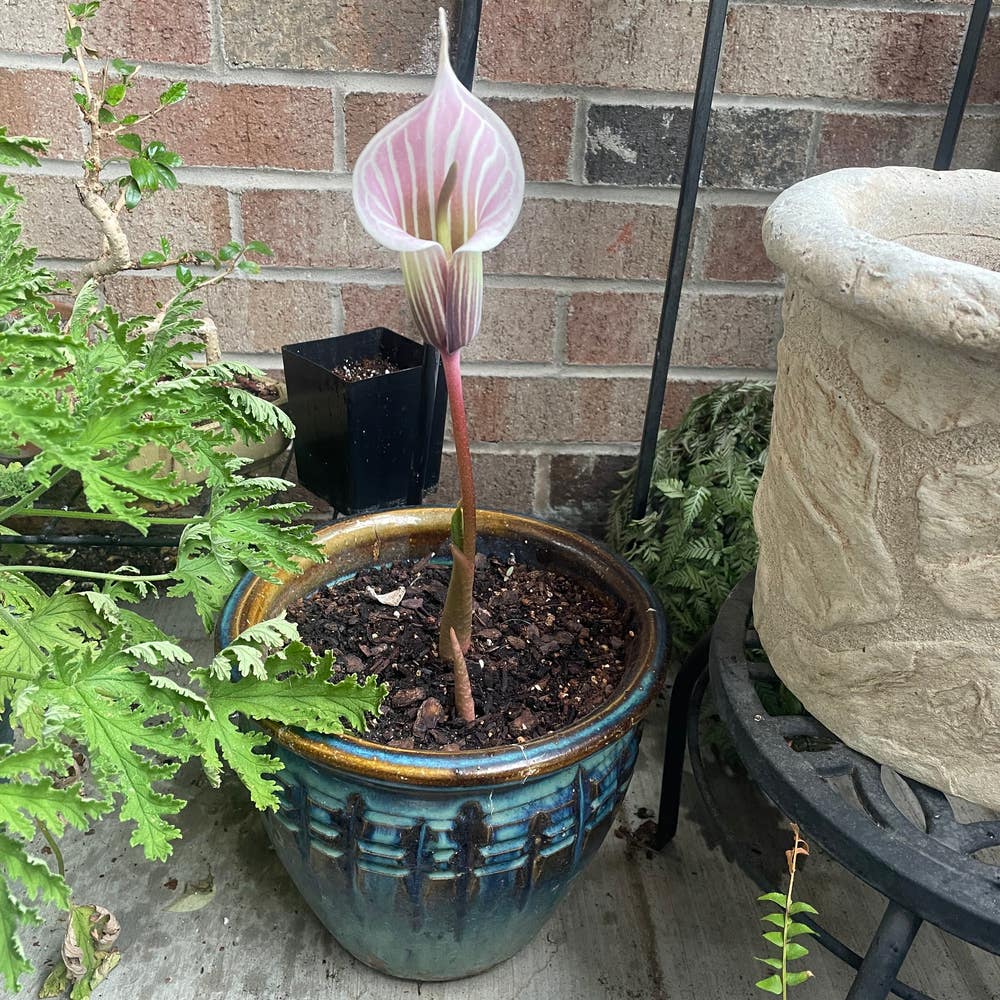
Arisaema ulugurense
By the Greg Editorial Team
Nov 26, 2024•6 min read
This article was created with the help of AI so we can cover more plants for you. May contain errors. See one? Report it here.
Transform your wilting Arisaema into a thriving beauty 🌱 with these essential care tips and tricks! 🌼
- 💧 Wilting Arisaema often signals water stress from over or underwatering.
- ☀️ Heat stress causes wilting; protect from excessive sunlight and high temperatures.
- 🦠 Fungal infections like root rot can also lead to wilting; diagnose and treat promptly.
Common Causes of Wilting Leaves
💧 Water Stress
Wilting leaves on your Arisaema can often signal water stress. Symptoms include drooping leaves and soil that feels dry to the touch.
Underwatering
Infrequent watering can lead to dry soil conditions, causing your plant to wilt. Make sure to check the moisture level regularly.
Overwatering
Conversely, overwatering can create waterlogged soil, leading to root rot. This is a common mistake that can severely impact your plant's health.
Proper watering techniques are crucial for maintaining the vitality of your Arisaema. Striking the right balance between underwatering and overwatering is key to preventing wilting.
🌡️ Heat Stress
Heat stress is another common culprit behind wilting leaves. Symptoms include leaves that curl or develop browning edges.
Excessive Sunlight Exposure
Direct sunlight during hot weather can scorch your Arisaema. It's essential to monitor how much sun your plant receives, especially in peak summer.
High Temperatures
Prolonged exposure to temperatures above 30°C (86°F) can also lead to heat stress. Keeping your plant in a cooler environment can help mitigate these effects.
To combat heat stress, consider relocating your Arisaema to a shadier spot during the hottest parts of the day. Using mulch can also help retain soil moisture and regulate temperature.
🦠 Disease-Related Wilting
Sometimes, wilting can be attributed to diseases affecting your Arisaema. Symptoms include yellowing leaves and wilting, even when the soil is adequately moist.
Common Diseases
Fungal infections, such as root rot or leaf spot diseases, are the most common issues. However, it's important to note that pathogenic wilt is unlikely to be the primary cause of wilting.
Understanding these common causes of wilting leaves can empower you to take action. With the right knowledge, you can help your Arisaema thrive and recover from wilting.
Diagnosing Wilting in Arisaema
Diagnosing wilting in your Arisaema can feel daunting, but breaking it down into manageable steps makes it easier. Follow this step-by-step guide to pinpoint the issue and get your plant back on track.
Step 1: Assess Soil Moisture 💧
Start by checking the top inch of the soil. If it feels dry, your plant may be underwatered; if it's soggy, overwatering could be the culprit.
Step 2: Evaluate Environmental Conditions 🌡️
Next, take a moment to evaluate the environmental conditions. Monitor the temperature and light exposure to ensure your Arisaema isn’t suffering from heat stress or inadequate light.
Step 3: Inspect for Signs of Disease 🦠
Look closely for any signs of disease. Discoloration, spots, or unusual growth patterns can indicate underlying issues that need addressing.
Step 4: Check for Pests 🐛
Finally, examine the undersides of the leaves for pests. Look for insects or webbing that could be affecting your plant’s health.
By following these steps, you can effectively diagnose the cause of wilting in your Arisaema. Once you identify the issue, you’ll be ready to implement the right solutions to revive your plant.
Solutions for Wilting
🌊 Addressing Water Stress
Water stress is a common issue for Arisaema plants. If you suspect underwatering, water thoroughly until moisture reaches the root zone.
For overwatering, allow the soil to dry out before watering again. If root rot is suspected, consider repotting in well-draining soil to promote healthy growth.
☀️ Addressing Heat Stress
Heat stress can significantly impact your plant's health. To combat this, relocate your Arisaema to a shadier area during peak sunlight hours.
Additionally, using mulch can help retain soil moisture and regulate temperature, creating a more stable environment for your plant.
🦠 Solutions for Disease-Related Wilting
If your Arisaema is wilting due to disease, it's crucial to act quickly. Identify and treat any fungal infections with appropriate fungicides to stop the spread.
Removing affected leaves can also help prevent further issues, allowing your plant to focus on recovery.
🌱 Techniques for Reviving a Wilted Arisaema
Reviving a wilted Arisaema requires a few strategic techniques. One effective method is bottom watering; place the pot in a tray of water to allow the roots to absorb moisture gradually.
You can also temporarily relocate the plant to a cooler, shaded area to help it recover. Finally, pruning damaged leaves encourages new growth and improves the plant's overall appearance.
With these solutions, your Arisaema can bounce back from wilting and thrive once again. Next, let’s explore preventive measures to keep your plant healthy and vibrant.
Preventive Measures
Best Practices 🌱
To keep your Arisaema thriving, regularly monitor soil moisture levels. This simple habit can prevent both underwatering and overwatering, ensuring your plant gets just the right amount of hydration.
Implementing a consistent watering schedule is crucial. Consider using the Greg plant care app for timely reminders, so you never forget to check in on your plant's needs.
Environmental Considerations ☀️
Proper light exposure is essential for your Arisaema's health. Filtered sunlight is ideal, as it protects the plant from harsh rays while still providing the energy it needs to grow.
Maintaining humidity levels can also make a significant difference. You might want to mist your plant or use a humidity tray to create a more favorable environment, especially during dry spells.
By following these preventive measures, you can help your Arisaema flourish and reduce the risk of wilting. Next, let’s explore when it might be time to seek expert help for your plant.
When to Seek Help
Signs Indicating the Need for Expert Assistance 🌱
If your Arisaema is still wilting despite your best efforts, it may be time to seek help. Persistent wilting can indicate deeper issues that require professional insight.
Look out for signs of severe disease or pest infestation. Yellowing leaves, unusual spots, or visible pests are red flags that shouldn't be ignored.
Resources for Assistance 📚
Don’t hesitate to contact local nurseries for expert advice. They can provide tailored solutions based on your specific situation and plant type.
Additionally, engaging with the plant care community online can be incredibly beneficial. Forums and social media groups are great places to share experiences and gather tips from fellow plant enthusiasts.
With the right support, you can navigate the challenges of plant care and help your Arisaema thrive once again.
Encouragement and Reassurance
Message of Hope 🌈
Don't lose heart! With the right knowledge and care, your Arisaema can bounce back from wilting.
Understanding your plant's needs and responding promptly to issues is essential for its long-term health. Regular attention can make all the difference, transforming a struggling plant into a thriving one.
Remember, every plant has its ups and downs. By learning to recognize the signs of distress and taking action, you empower yourself as a caregiver.
So, keep observing, adjusting, and nurturing your Arisaema. With patience and dedication, you'll witness its recovery and growth. Your efforts will pay off, and soon you'll be enjoying the beauty of a healthy, vibrant plant.
As you continue on this journey, know that you're not alone. Many plant enthusiasts face similar challenges, and sharing experiences can lead to valuable insights.
Stay positive and keep nurturing your green companion!
⚠️ Safety First
This content is for general information and may contain errors, omissions, or outdated details. It is not medical, veterinary advice, or an endorsement of therapeutic claims.
Always consult a qualified healthcare professional before using any plant as food, medicine, or supplement.
Never eat any plant (or feed one to pets) without confirming its identity with at least two trusted sources.
If you suspect poisoning, call Poison Control (800) 222-1222, the Pet Poison Helpline (800) 213-6680, or your local emergency service immediately.
Spotted an error? Please report it here.
Revive your wilting Arisaema by monitoring soil moisture and adjusting its care with Greg's custom watering alerts 🌿, ensuring it gets the attention it needs to flourish once more!