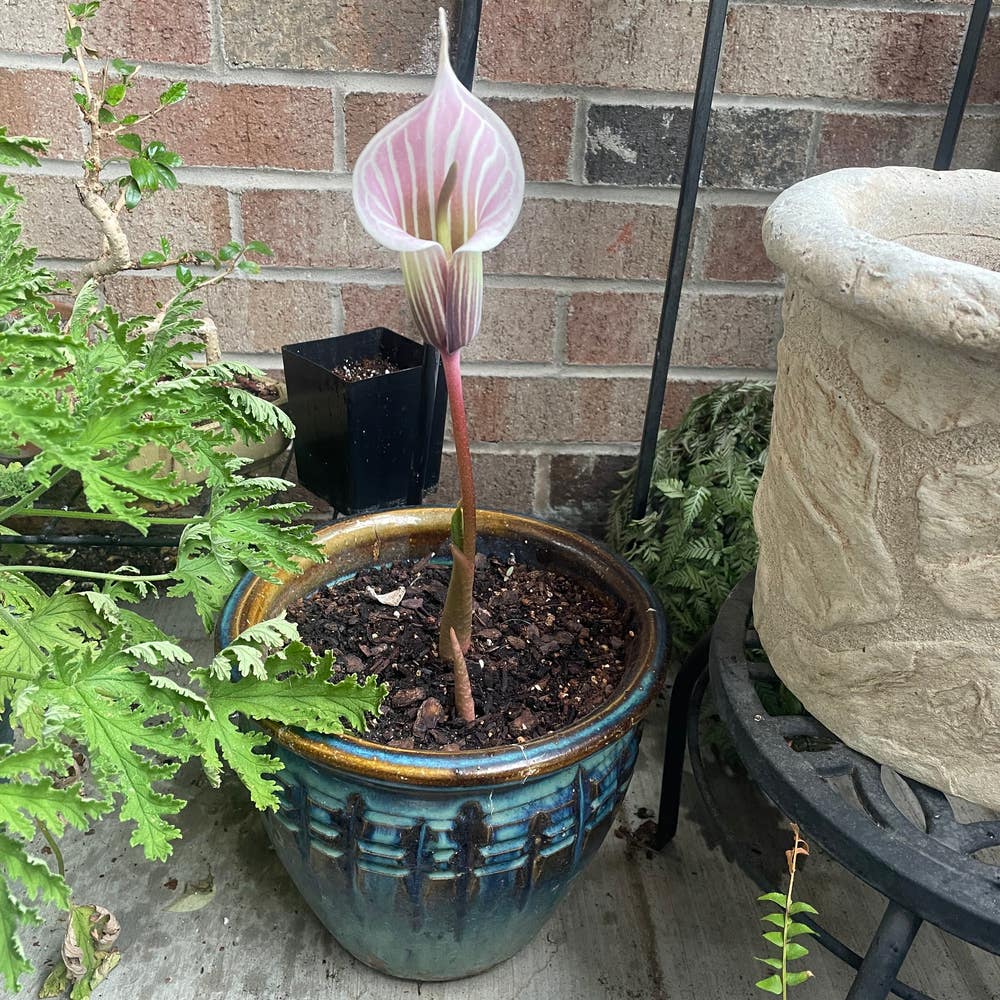
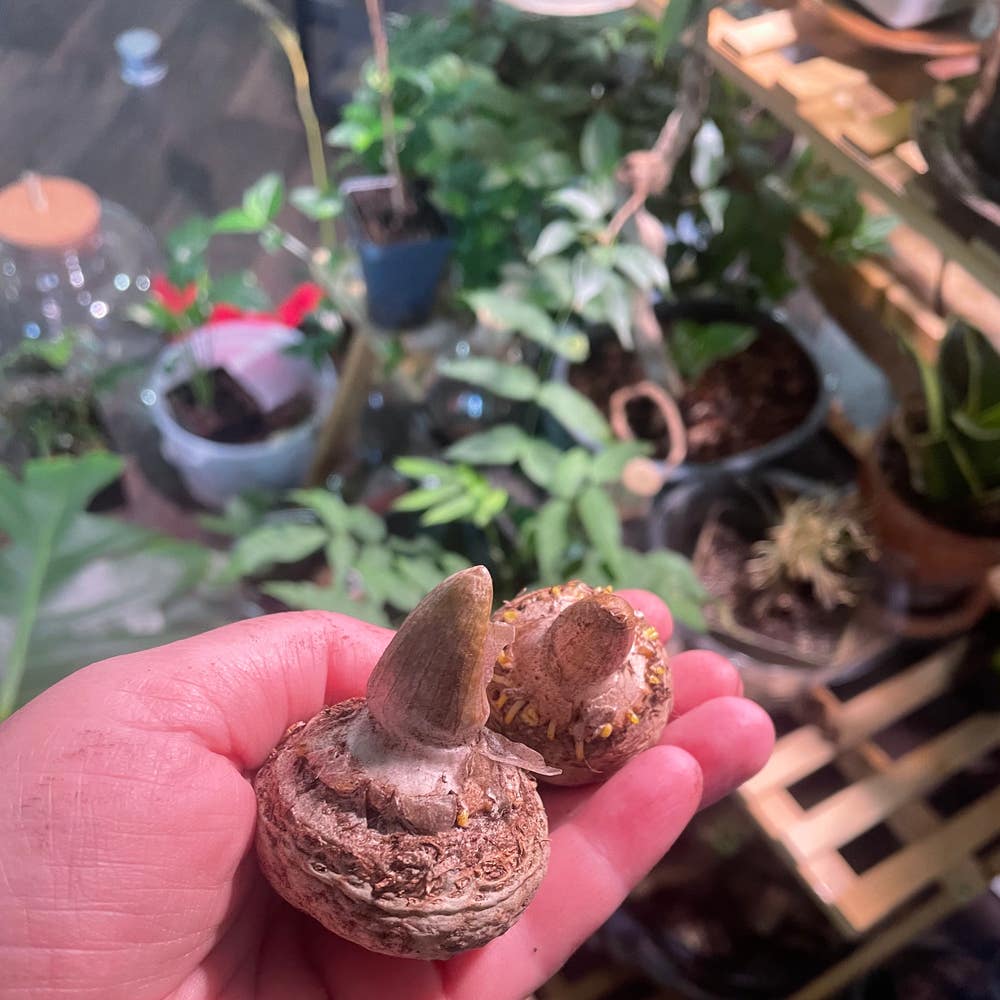
Best Pot for Arisaema 🪴
Arisaema ulugurense
By the Greg Editorial Team
Nov 26, 2024•6 min read
This article was created with the help of AI so we can cover more plants for you. May contain errors. See one? Report it here.
Unlock your Arisaema's full potential 🌱 by mastering pot size and material for vibrant growth and health! 🌼
- 🌱 Choose the right pot size: 4-6 inches for seedlings, 12-16 inches for mature plants.
- 💧 Ensure proper drainage: Aim for 3-5 holes and consider a gravel layer.
- 🔄 Repot during dormancy: Inspect roots and use well-draining mix for best results.
Pot Size Considerations
Choosing the right pot size for your Arisaema is crucial for its growth and health. As these plants progress through their life stages, their container needs will change significantly.
Recommended Sizes for Growth Stages 🌱
Seedling stage: For young Arisaema, a container size of 4-6 inches in diameter is ideal. This size allows the roots to establish without excess soil that can retain too much moisture.
Juvenile stage: As your plant matures, transition to a pot that is 8-10 inches in diameter. This provides ample space for root expansion while still maintaining a manageable environment.
Mature stage: Once your Arisaema reaches full maturity, opt for a pot size of 12-16 inches in diameter. This larger container supports the extensive root system and allows for optimal growth.
General guideline: A good rule of thumb is to increase pot size by 2 inches in diameter as the plant grows. This gradual transition helps prevent root binding and ensures your Arisaema thrives.
Selecting the right pot size at each growth stage is essential for your plant's success. With proper sizing, your Arisaema will flourish, setting the stage for healthy growth and vibrant blooms.
Next, we’ll explore the different pot materials and their impact on your plant's health.
Pot Materials
🌱 Comparison of Clay and Plastic
When choosing the right pot for your Arisaema, the material plays a crucial role in its growth and health. Let's dive into the pros and cons of the two most common options: clay and plastic.
Clay Pots
Clay pots are a favorite among many gardeners for several reasons.
- Breathability: They allow air exchange, which is vital for root health.
- Moisture Retention: Clay can absorb moisture, helping to keep the soil consistently damp.
- Temperature Regulation: They help maintain a stable temperature for the roots, protecting them from extreme heat or cold.
However, clay pots come with their own set of challenges.
- Heaviness: They can be cumbersome to move around, especially when filled with soil.
- Cracking: In freezing temperatures, clay pots are prone to cracking, which can damage your plant.
Plastic Pots
On the other hand, plastic pots offer a different set of advantages.
- Lightweight: They are easy to handle, making them ideal for larger plants or frequent rearrangements.
- Durability: Plastic pots are less likely to break, providing a long-lasting option.
- Variety of Sizes: They come in numerous sizes and shapes, catering to different growth stages.
Yet, plastic pots have their drawbacks as well.
- Less Breathable: They can restrict airflow to the roots, which may lead to issues like root rot.
- Heat Retention: Plastic can retain heat, potentially stressing the roots during hot weather.
In summary, both clay and plastic pots have their merits and downsides. Your choice should reflect your specific needs and the conditions in which your Arisaema will thrive.
As you consider pot materials, remember that the right choice can significantly impact your plant's health and growth. Next, we’ll explore drainage considerations to ensure your Arisaema flourishes in its new home.
Drainage Considerations
🌊 Importance of Drainage Holes
Proper drainage is crucial for the health of your Arisaema. Drainage holes prevent waterlogging, which can lead to root rot and other issues that compromise plant vitality.
For optimal drainage, aim for at least 3-5 holes in your pot. This ensures excess water can escape, allowing your plant's roots to breathe and thrive.
🛠️ Best Practices for Ensuring Proper Drainage
When selecting pots, prioritize those with built-in drainage systems. Pots designed specifically for drainage will help maintain the right moisture levels for your Arisaema.
Consider adding a drainage layer at the bottom of your pot. Using materials like gravel or broken pottery can enhance drainage and prevent soil from clogging the holes.
Regularly monitor soil moisture levels to avoid overwatering. Techniques such as the finger test—where you stick your finger into the soil to check for dampness—can help you determine when it's time to water.
With these drainage considerations in mind, your Arisaema will have the best chance to flourish. Next, we’ll explore the essential guidelines for repotting your plant effectively.
Repotting Guidelines
Signs That It’s Time to Repot 🌱
Recognizing when to repot your Arisaema is crucial for its health. Look for signs of root binding, such as roots growing out of the drainage holes or stunted growth despite proper care.
Timing is also essential. The best time to repot is during the dormant season or early spring, just before new growth begins.
Step-by-Step Guide to Repotting Arisaema 🛠️
Repotting can seem daunting, but following these steps will make the process smooth and effective.
Prepare the new pot: Ensure it has adequate drainage holes and select the appropriate size based on the plant's growth stage.
Remove the plant from the old pot: Gently loosen the soil around the edges to avoid damaging the tuberous roots.
Inspect the root system: Trim any damaged or rotten roots and dust with fungicide if necessary to prevent disease.
Place in the new pot: Position the tuber at the appropriate depth and fill with well-draining potting mix.
Water thoroughly: Ensure the soil settles around the roots, providing a stable environment for your plant.
By following these guidelines, you can ensure your Arisaema thrives in its new home. Next, let’s explore seasonal potting considerations to further enhance your plant care routine.
Seasonal Potting Considerations
Best Time of Year to Repot 🌱
Repotting Arisaema is best done in early spring, just before new growth begins. This timing allows the plant to recover and thrive in its new environment as it enters its active growing phase.
Consider the dormant periods of specific species as well. Some varieties may have unique needs, so understanding their growth cycles can enhance your repotting success.
Adjusting Potting Practices 🌡️
As the seasons change, so should your potting practices. During hot summer months, ensure your Arisaema receives adequate moisture, as heat can stress the plant.
In contrast, cooler fall months may require less frequent watering. Adjusting your care routine according to seasonal changes helps maintain the health and vitality of your plants.
With these seasonal considerations in mind, you can ensure your Arisaema thrives throughout the year. Next, let’s explore the essential guidelines for repotting your plant effectively.
⚠️ Safety First
This content is for general information and may contain errors, omissions, or outdated details. It is not medical, veterinary advice, or an endorsement of therapeutic claims.
Always consult a qualified healthcare professional before using any plant as food, medicine, or supplement.
Never eat any plant (or feed one to pets) without confirming its identity with at least two trusted sources.
If you suspect poisoning, call Poison Control (800) 222-1222, the Pet Poison Helpline (800) 213-6680, or your local emergency service immediately.
Spotted an error? Please report it here.
Get your Arisaema thriving in the perfect pot 🪴 by using Greg's tailored reminders and expert tips to keep its roots happy and healthy!