Ultimate Guide to Fixing Curling Leaves on Arisaema 🔧
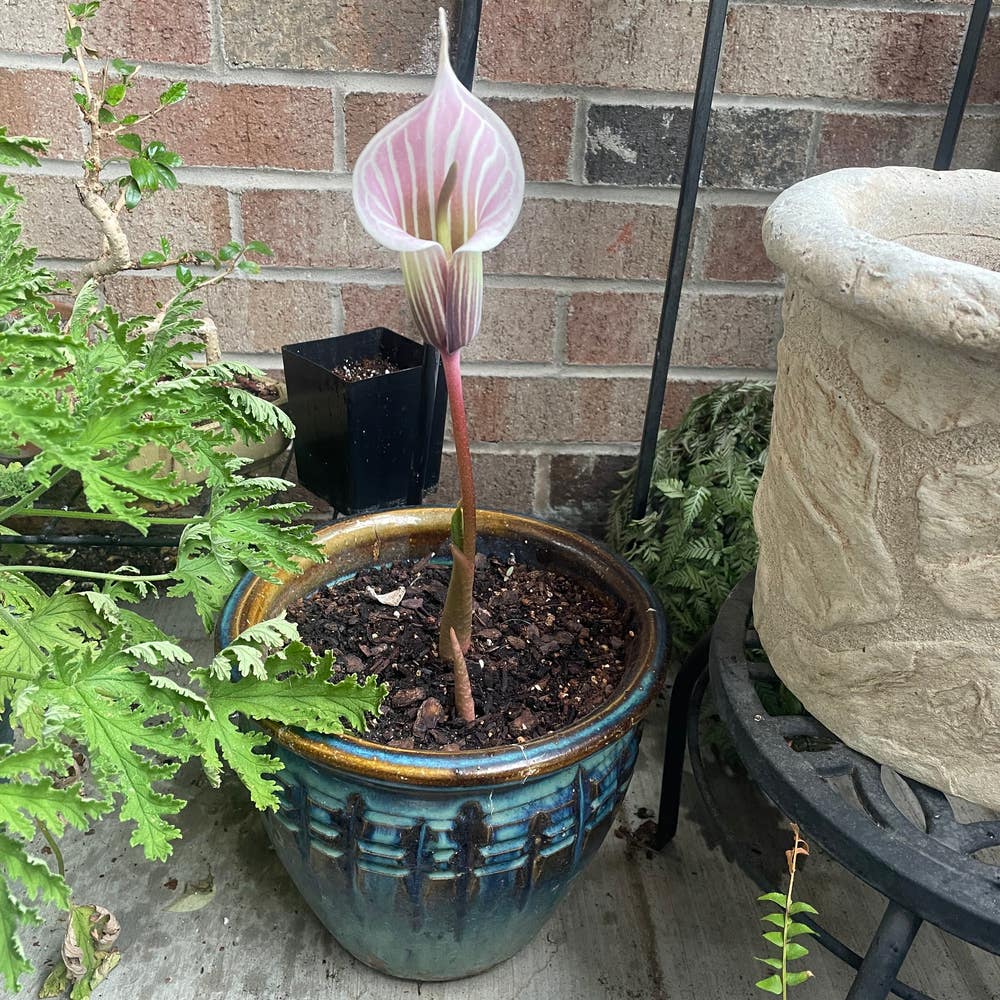
Arisaema ulugurense
By the Greg Editorial Team
Nov 26, 2024•6 min read
This article was created with the help of AI so we can cover more plants for you. May contain errors. See one? Report it here.
Revive your Arisaema's vitality 🌱 by learning to diagnose and treat curling leaves with ease!
- 🌱 Curling leaves on Arisaema stem from stress, pests, or nutrient issues.
- 🌡️ Maintain 15°C to 25°C temperature and 50%-70% humidity for healthy growth.
- 🐜 Check for aphids and fungal infections regularly to prevent leaf curling.
Causes of Curling Leaves
🌡️ Environmental Stress Factors
Temperature extremes can significantly impact the health of your Arisaema. The ideal temperature range is between 15°C to 25°C (59°F to 77°F). When temperatures stray too far from this range, you may notice symptoms like leaf curling and discoloration.
Humidity also plays a crucial role in leaf health. Arisaema thrives in optimal humidity levels of 50% to 70%. If the humidity drops too low, you might see the edges of the leaves curling and browning, signaling distress.
🥦 Nutrient Deficiencies
Nutrient deficiencies can lead to curling leaves as well. A nitrogen deficiency often manifests as yellowing leaves and stunted growth, highlighting nitrogen's importance for robust leaf development.
Similarly, potassium deficiency can cause marginal leaf curling and browning tips. Potassium is vital for overall plant health, influencing everything from water regulation to disease resistance.
🐜 Pests and Diseases
Pests can wreak havoc on your Arisaema, with aphids being a common culprit. Signs of aphid infestation include sticky residue on leaves and noticeable curling. Control methods include using insecticidal soap or neem oil to manage these pests effectively.
Fungal infections are another concern, often presenting symptoms like leaf spots, wilting, and curling. Common issues include root rot and leaf blight, which can severely affect your plant's vitality if not addressed promptly.
Understanding these causes is essential for diagnosing and treating curling leaves on your Arisaema. With the right knowledge, you can take proactive steps to ensure your plant remains healthy and vibrant.
Diagnosing Curling Leaves
🌿 Identifying Symptoms of Leaf Curl
When diagnosing curling leaves on your Arisaema, start by observing the visual signs. Leaf curl can manifest in various ways, including upward, downward, or inward curling, often accompanied by discoloration or wilting.
🐛 Differentiating Between Pest Damage and Environmental Stress
Next, differentiate between pest damage and environmental stress. Look for pests by checking the undersides of leaves; their presence often leads to uneven curling and sticky residue.
Environmental stress typically presents as consistent curling across multiple leaves, especially after recent weather changes. If you notice this pattern, it may indicate that your plant is struggling with its environment rather than pests.
💧 Assessing Soil and Moisture Levels
Soil moisture is crucial for your plant's health. Use methods like the finger test or a moisture meter to check if the soil is consistently moist but not soggy.
Additionally, assess the soil condition for compaction and drainage issues. Proper aeration is vital for root health, ensuring your Arisaema receives the nutrients and water it needs to thrive.
By carefully diagnosing these symptoms, you can take the necessary steps to restore your plant's health and prevent further curling leaves. This understanding sets the stage for effective treatment options that follow.
Treatment Options
🌊 Adjusting Watering Practices
Watering is crucial for the health of your Arisaema. A good rule of thumb is to water when the top inch of soil feels dry, ensuring your plant gets the moisture it needs without drowning its roots.
Overwatering can lead to root rot, a common issue that can devastate your plant. To promote healthy root growth, consider using deep watering techniques that encourage roots to reach deeper into the soil for moisture.
🌱 Fertilization Strategies
Fertilization plays a significant role in the vitality of your Arisaema. Opt for balanced NPK fertilizers, like a 10-10-10 mix, and apply them every 4-6 weeks during the growing season to provide essential nutrients.
Watch for signs of improved nutrient uptake, such as new leaf growth and vibrant color. These indicators suggest your plant is thriving and responding well to your care.
🐛 Pest Control Methods
Pests can wreak havoc on your Arisaema, so proactive measures are essential. For immediate action, apply insecticidal soap directly to affected areas, repeating every 7-10 days until the pests are under control.
Neem oil is another effective option, serving as both a pesticide and fungicide. Dilute it and spray it on the foliage to protect your plant from unwanted invaders.
🍄 Fungal Treatment Options
Fungal infections can be tricky, but timely intervention can save your plant. Use broad-spectrum fungicides at the first sign of infection to tackle systemic issues effectively.
In addition to chemical treatments, cultural practices like crop rotation and maintaining sanitation are vital. These methods help prevent the recurrence of fungal problems, ensuring your Arisaema remains healthy and vibrant.
By implementing these treatment options, you can effectively address curling leaves and promote the overall health of your Arisaema. Next, let's explore how to prevent curling leaves from occurring in the first place.
Preventing Curling Leaves
Best Practices for Planting and Spacing 🌱
To ensure your Arisaema thrives, proper spacing is crucial. Aim for a distance of 12-18 inches between plants to promote good air circulation.
Soil preparation also plays a vital role. Incorporating organic matter enhances moisture retention, providing a stable environment for root development.
Seasonal Care Tips 🌸
As spring arrives, it's time to adjust your fertilization and watering practices. This is when your Arisaema starts to grow actively, so be attentive to its needs.
In the fall, prepare your plants for dormancy. Gradually reduce watering to help them transition smoothly into the cooler months.
Regular Inspection for Pests and Diseases 🔍
Regular inspections are key to maintaining healthy plants. Aim for weekly checks during the growing season to catch any issues early.
Look for changes in leaf appearance or the presence of pests. Early detection can make all the difference in keeping your Arisaema healthy and vibrant.
By implementing these preventive measures, you can significantly reduce the risk of curling leaves on your Arisaema. Next, let’s explore post-treatment care to ensure your plants bounce back beautifully.
Post-Treatment Care
Recovery Signs to Look For 🌱
After treatment, keep an eye out for signs of recovery in your Arisaema. New leaf growth and a return of vibrant color in existing leaves are positive indicators that your plant is bouncing back.
Typically, you can expect to see these changes within 2-4 weeks after implementing your treatment plan. Patience is key, as plants often take time to respond to care adjustments.
Ongoing Maintenance for Arisaema Health 🛠️
To ensure your Arisaema thrives, continue monitoring your watering and fertilization practices. Adjust these based on seasonal changes to meet the plant's evolving needs.
Maintaining optimal growing conditions is crucial. Regularly check humidity and temperature levels to create a supportive environment for your plant's health. This proactive approach will help prevent future issues and keep your Arisaema flourishing.
As you nurture your plant, remember that consistent care leads to long-term success. With attention and love, your Arisaema can thrive beautifully in your garden.
⚠️ Safety First
This content is for general information and may contain errors, omissions, or outdated details. It is not medical, veterinary advice, or an endorsement of therapeutic claims.
Always consult a qualified healthcare professional before using any plant as food, medicine, or supplement.
Never eat any plant (or feed one to pets) without confirming its identity with at least two trusted sources.
If you suspect poisoning, call Poison Control (800) 222-1222, the Pet Poison Helpline (800) 213-6680, or your local emergency service immediately.
Spotted an error? Please report it here.
Keep your Arisaema vibrant and healthy 🌱 by using Greg's tailored reminders and expert tips to tackle curling leaves and ensure optimal care!