When and How to Repot Your Arisaema 🪴
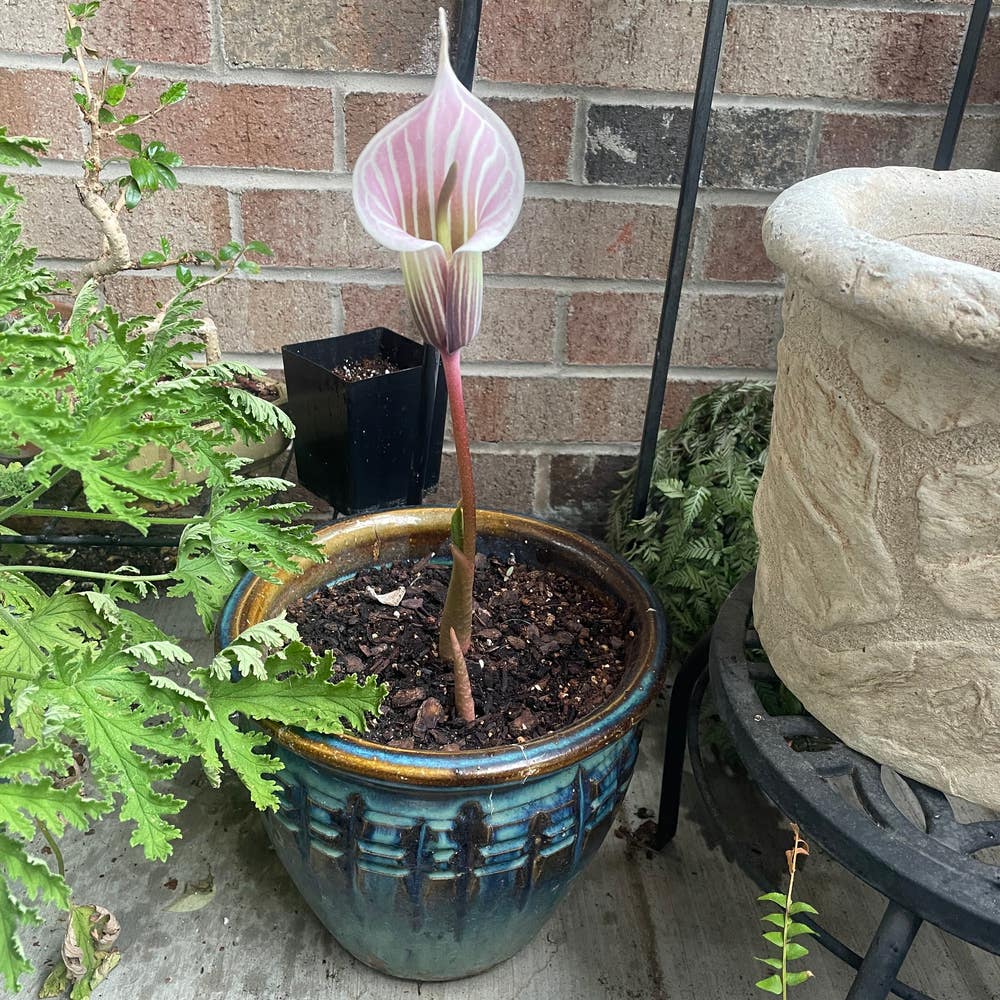
Arisaema ulugurense
By the Greg Editorial Team
Nov 26, 2024•6 min read
This article was created with the help of AI so we can cover more plants for you. May contain errors. See one? Report it here.
Revitalize your Arisaema's growth and blooms 🌱 by learning the essential signs it needs repotting! 🌼
- 🌱 Signs your Arisaema needs repotting: roots out of holes, stunted growth, or yellowing leaves.
- 🕒 Best time to repot is early spring, before new growth starts.
- 🧺 Choose the right pot: 1-2 inches larger, well-draining mix, avoid metal pots.
Signs That Arisaema Needs Repotting
🌱 Root Bound Indicators
One of the first signs that your Arisaema needs repotting is when you notice roots growing out of the drainage holes. This is a clear indication that the plant has outgrown its current pot.
Another telltale sign is roots circling the pot. This behavior suggests that the plant is running out of space, which can lead to stunted growth.
🏺 Soil Condition
Next, take a look at the soil condition. If you see visible compaction or poor drainage, it may be time to repot. Depleted soil can hinder nutrient absorption and overall plant health.
Additionally, the presence of mold or algae on the soil surface is a red flag. This often indicates that the soil is too moist or not draining properly.
📈 Growth Patterns
Pay attention to your plant's growth patterns as well. Stunted growth or reduced flowering can signal that your Arisaema is struggling in its current environment.
You should also watch for yellowing leaves or wilting, even when you’re watering adequately. These symptoms often suggest that the plant is not thriving and may need a new pot to flourish.
Recognizing these signs early can help you maintain a healthy Arisaema. Once you identify the need for repotting, you can move on to the best time of year to make the change.
Best Time of Year to Repot Arisaema
🌱 Seasonal Considerations
The best time to repot your Arisaema is early spring, just before new growth begins. This timing allows the plant to settle into its new home without the stress of competing with active growth.
Avoid repotting during the active growth periods, particularly from late spring to summer. During these months, the plant is focused on growing and flowering, making it less resilient to the shock of being moved.
🌦️ Climate Factors
When considering the right time to repot, take your local climate into account. Cooler, moist conditions are ideal as they help reduce stress on the plant during the transition.
Additionally, adjust your repotting schedule based on the specific growth cycles of your Arisaema variety. Different species may have unique timing needs, so being attentive to their growth patterns can lead to healthier plants.
With the right timing in mind, you can ensure your Arisaema thrives in its new pot, setting the stage for robust growth and vibrant blooms. Next, let’s explore the step-by-step guide to repotting your Arisaema effectively.
Pot Material Options for Arisaema
🌱 Benefits of Using Terracotta Pots
Terracotta pots are a fantastic choice for Arisaema due to their excellent breathability. This material allows air to circulate through the walls, promoting healthy root growth and moisture regulation.
Additionally, terracotta pots have a rustic aesthetic that beautifully complements the natural beauty of your plants. They can enhance the overall look of your garden or indoor space.
🥤 Advantages of Plastic Pots
Plastic pots are lightweight and easy to handle, making them a practical option for gardeners of all experience levels. They also retain moisture longer, which can reduce the frequency of watering.
This moisture retention is particularly beneficial during warmer months when Arisaema may need consistent hydration.
⚠️ Disadvantages of Metal Pots
While metal pots can be stylish, they come with significant drawbacks. They can heat up quickly in direct sunlight, potentially leading to root stress and damage.
Moreover, metal pots may not provide adequate drainage, which is crucial for the health of your Arisaema. Always consider these factors before opting for metal.
📏 Choosing the Right Size Pot for Arisaema
When selecting a pot for your Arisaema, aim for one that is 1-2 inches larger in diameter than the current pot. This slight increase provides enough room for growth without overwhelming the plant.
It's also essential to consider the growth habits of specific Arisaema varieties. Some may require more space than others, so tailor your choice accordingly to ensure optimal growth.
With the right pot material and size, your Arisaema will thrive, setting the stage for a vibrant display in your garden or home. Next, let's explore the soil and drainage needs that will further support your plant's health.
Soil and Drainage Needs for Arisaema
🌱 Recommended Potting Mix for Arisaema
To ensure your Arisaema thrives, use a well-draining potting mix. A blend of equal parts peat, perlite, and compost works wonders, providing the right balance of moisture retention and aeration.
The ideal pH level for this mix should be slightly acidic to neutral, ranging from 6.0 to 7.0. This pH range promotes optimal nutrient uptake, keeping your plant healthy and vibrant.
🚰 Importance of Drainage in Arisaema Repotting
Proper drainage is crucial when repotting Arisaema. It prevents root rot, a common issue that can devastate your plant's health.
Make sure the drainage holes in your pot are unobstructed. This simple step can significantly enhance the longevity and vitality of your Arisaema.
🌿 How to Amend Soil for Optimal Arisaema Growth
Amending your soil can take your Arisaema's growth to the next level. Incorporate organic matter, such as well-rotted leaf mold or compost, to improve moisture retention without compromising drainage.
Additionally, consider adding sand or perlite to your mix. These materials enhance drainage, ensuring your plant's roots have the space they need to breathe and grow.
With the right soil and drainage setup, your Arisaema will flourish, setting the stage for a healthy, thriving plant. Next, let’s explore common repotting mistakes to avoid, ensuring your efforts yield the best results.
Common Repotting Mistakes to Avoid
🪴 Overpotting vs. Underpotting Arisaema
One of the most common mistakes when repotting Arisaema is overpotting. Using a pot that’s too large can lead to excess moisture retention, which may cause root rot.
On the flip side, underpotting can restrict growth and limit nutrient uptake. It's crucial to find that sweet spot—choose a pot that is just 1-2 inches larger in diameter than the current one.
🐛 Not Checking for Pests During Repotting
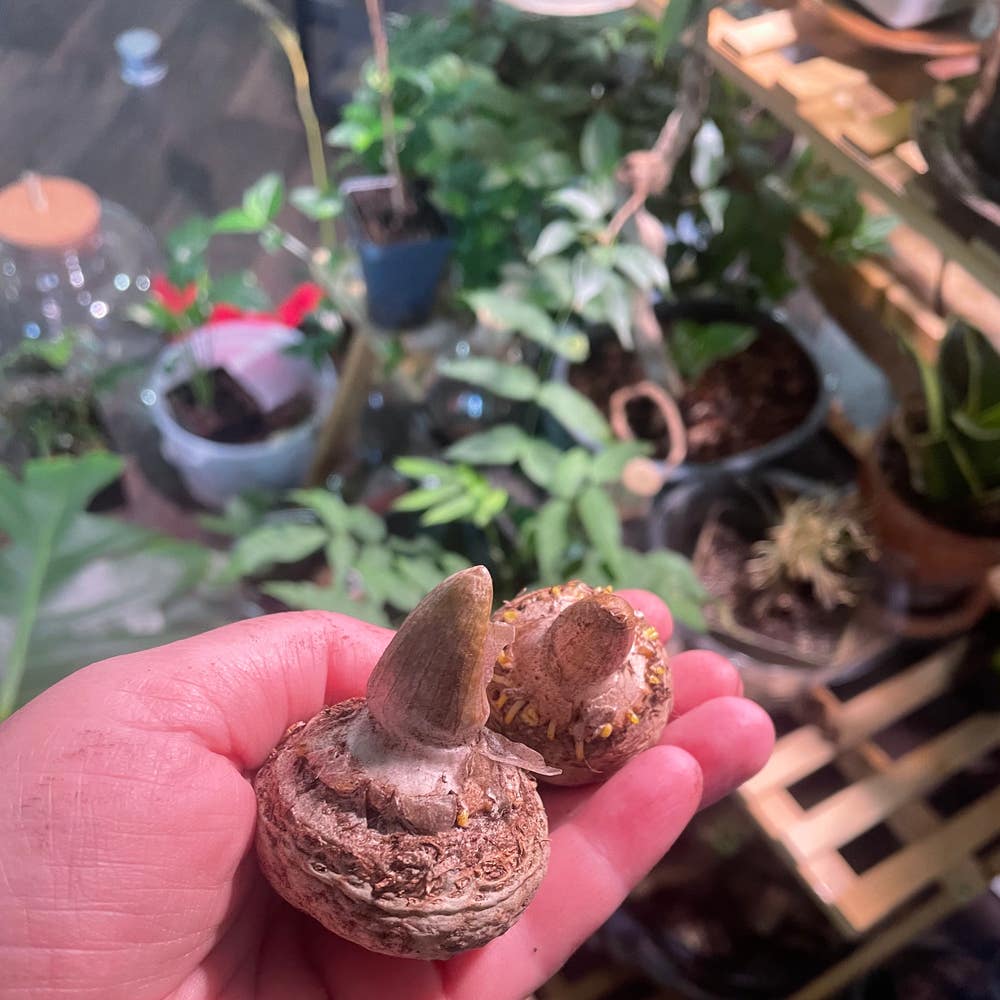
Another pitfall is neglecting to check for pests while repotting. Inspect the bulbs for any signs of infestations, such as aphids or nematodes.
If you spot any pests, treat the bulbs before replanting to ensure a healthy start in their new home.
💔 Ignoring Bulb Health During Repotting
Lastly, don’t overlook the health of the bulbs themselves. Ensure they are healthy and free from disease before placing them in the new pot.
If you find any bulbs showing signs of rot or damage, it's best to discard them. Healthy bulbs are key to a thriving plant!
By avoiding these common mistakes, you set your Arisaema up for success in its new pot. Next, let’s explore the best pot material options for your plant.
⚠️ Safety First
This content is for general information and may contain errors, omissions, or outdated details. It is not medical, veterinary advice, or an endorsement of therapeutic claims.
Always consult a qualified healthcare professional before using any plant as food, medicine, or supplement.
Never eat any plant (or feed one to pets) without confirming its identity with at least two trusted sources.
If you suspect poisoning, call Poison Control (800) 222-1222, the Pet Poison Helpline (800) 213-6680, or your local emergency service immediately.
Spotted an error? Please report it here.
Repot your Arisaema with confidence for lush growth 🌿 by using Greg's tailored reminders and expert tips to ensure your plant thrives in its new home!