💧 Ultimate Guide to Watering Your Arisaema
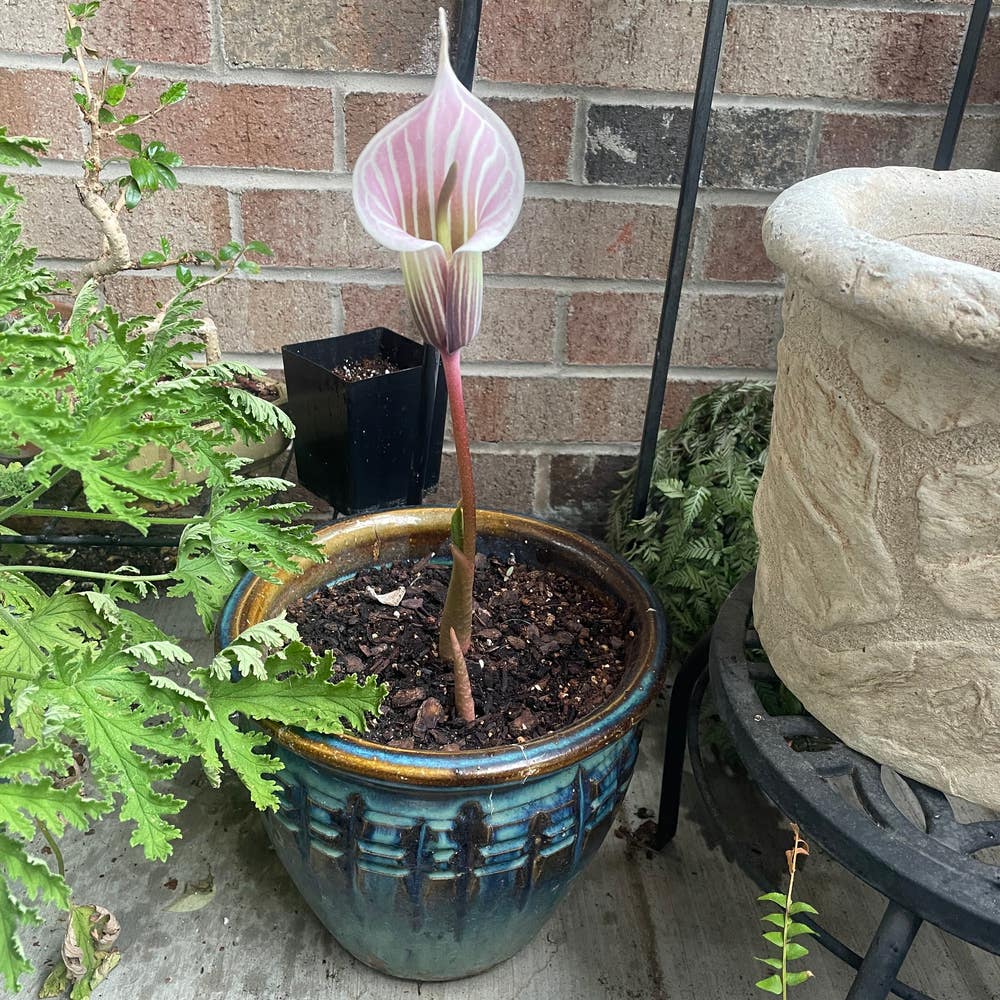
Arisaema ulugurense
By the Greg Editorial Team
Nov 26, 2024•5 min read
This article was created with the help of AI so we can cover more plants for you. May contain errors. See one? Report it here.
Unlock vibrant growth for your Arisaema 🌱 by mastering the perfect watering schedule and avoiding common pitfalls!
- 💧 Water Arisaema every 1-2 weeks during growth; reduce in summer dormancy.
- 🌱 Soil type and pot size affect moisture retention; adjust watering accordingly.
- 📱 Use apps or moisture meters for precise watering schedules and plant health monitoring.
Ideal Watering Schedule
General Watering Frequency 🌧️
Understanding when to water your Arisaema is crucial for its health. During the active growth phases of spring and fall, aim to water every 1-2 weeks to keep your plant thriving.
In contrast, during the dormant summer months, reduce your watering frequency to once every 3-4 weeks. This adjustment helps prevent over-saturation when the plant is less active.
Factors Affecting Watering Frequency 🌍
Several factors can influence how often you should water your Arisaema. Climate conditions play a significant role; if you live in a humid area, you may need to water less frequently than in a dry climate.
Pot size is another important consideration. Larger pots retain moisture longer, while smaller pots tend to dry out faster, requiring more frequent checks.
Lastly, the soil type matters too. Well-draining soil may need more regular watering, as it dries out quicker than denser soils. Always keep an eye on these factors to ensure your Arisaema gets the right amount of water.
With a solid understanding of your plant's needs, you can create a watering schedule that promotes healthy growth and vibrant foliage. Next, let’s dive into recognizing watering issues to ensure your Arisaema stays in top shape.
Recognizing Watering Issues
🚰 Signs of Over-Watering
Over-watering can be a silent killer for your Arisaema. Look out for yellowing leaves, which often signal root stress and a lack of oxygen.
If you notice wilting despite wet soil, your roots might be suffocating. A foul odor emanating from the soil is another red flag, indicating potential root rot that needs immediate attention.
💧 Signs of Under-Watering
On the flip side, under-watering can also wreak havoc. Drooping leaves are a clear sign that your plant is thirsting for moisture.
Check the soil surface; if it’s dry and cracked, your Arisaema is likely not getting enough water. Additionally, leaf tips turning brown and crispy are telltale signs that your plant is in distress and needs hydration.
Recognizing these watering issues is crucial for maintaining the health of your Arisaema. With a keen eye, you can ensure your plant thrives, setting the stage for effective watering techniques next.
Watering Techniques
🌊 Bottom-Watering Method
Bottom-watering is a fantastic technique that encourages deep root growth by allowing plants to absorb moisture from the bottom up. This method is especially beneficial for Arisaema, as it helps prevent over-saturation of the soil surface.
Step-by-Step Instructions
- Fill a tray with water. Choose a tray that can comfortably hold your pot.
- Place the pot in the tray. Ensure the pot sits in the water, allowing the soil to soak up moisture from below.
- Remove the pot once the topsoil feels moist. This usually takes about 30 minutes to 1 hour, depending on the soil's moisture retention.
💧 Using Self-Watering Pots
Self-watering pots are a game-changer for maintaining consistent moisture levels. They significantly reduce the risk of over-watering, making them ideal for busy plant parents.
How to Set Up a Self-Watering Pot
- Fill the reservoir with water. Make sure you have enough water to last between your checks.
- Ensure the soil is in contact with the water wicking system. This allows the soil to draw moisture as needed.
- Monitor the water level in the reservoir regularly. Keeping an eye on the water level ensures your plant stays hydrated without drowning.
By employing these watering techniques, you can create an optimal environment for your Arisaema to thrive. Next, let's explore how to measure soil moisture effectively to ensure your plants are getting just the right amount of water.
Measuring Soil Moisture
🌱 How to Check Soil Moisture Levels
Checking soil moisture is essential for the health of your Arisaema. Start with a visual inspection; look for a dry soil surface, then insert your finger up to 2 inches deep to gauge moisture levels.
Next, perform the feel test. The soil should feel slightly damp but not soggy, indicating it's time to water if it feels dry.
📏 Tools for Measuring Soil Moisture
For more precise readings, consider using a soil moisture meter. This handy tool provides accurate moisture levels, ensuring you know exactly when to water.
If you prefer a DIY approach, grab a wooden stick or skewer. Insert it into the soil; if it comes out clean, your soil is dry and needs watering.
By mastering these techniques, you'll keep your Arisaema thriving and healthy. Now, let's explore effective watering reminders and scheduling to further enhance your plant care routine.
Watering Reminders and Scheduling
📱 Using the Greg Plant Care App for Reminders
The Greg Plant Care App is a game-changer for plant enthusiasts. This AI-powered tool sends you timely reminders tailored to your Arisaema's specific watering needs.
Setting reminders is straightforward. You can customize them based on your plant's watering frequency and seasonal changes, ensuring your Arisaema gets the care it deserves.
📅 Setting Up a Watering Schedule Based on Seasonal Changes
Adjusting your watering schedule is crucial for your plant's health. In spring and fall, when your Arisaema is actively growing, increase the frequency to keep the soil consistently moist.
During the summer, it's time to scale back. Monitor the weather conditions closely; if rain is in the forecast, you might want to skip your scheduled watering to prevent over-saturation.
By staying proactive with your watering reminders and adjusting your schedule, you can ensure your Arisaema thrives throughout the year. Next, let’s explore how to measure soil moisture effectively to avoid common watering pitfalls.
⚠️ Safety First
This content is for general information and may contain errors, omissions, or outdated details. It is not medical, veterinary advice, or an endorsement of therapeutic claims.
Always consult a qualified healthcare professional before using any plant as food, medicine, or supplement.
Never eat any plant (or feed one to pets) without confirming its identity with at least two trusted sources.
If you suspect poisoning, call Poison Control (800) 222-1222, the Pet Poison Helpline (800) 213-6680, or your local emergency service immediately.
Spotted an error? Please report it here.
Keep your Arisaema thriving with perfectly-timed watering 💧 by using Greg's tailored reminders and moisture-checking tools to ensure your plant gets just what it needs!