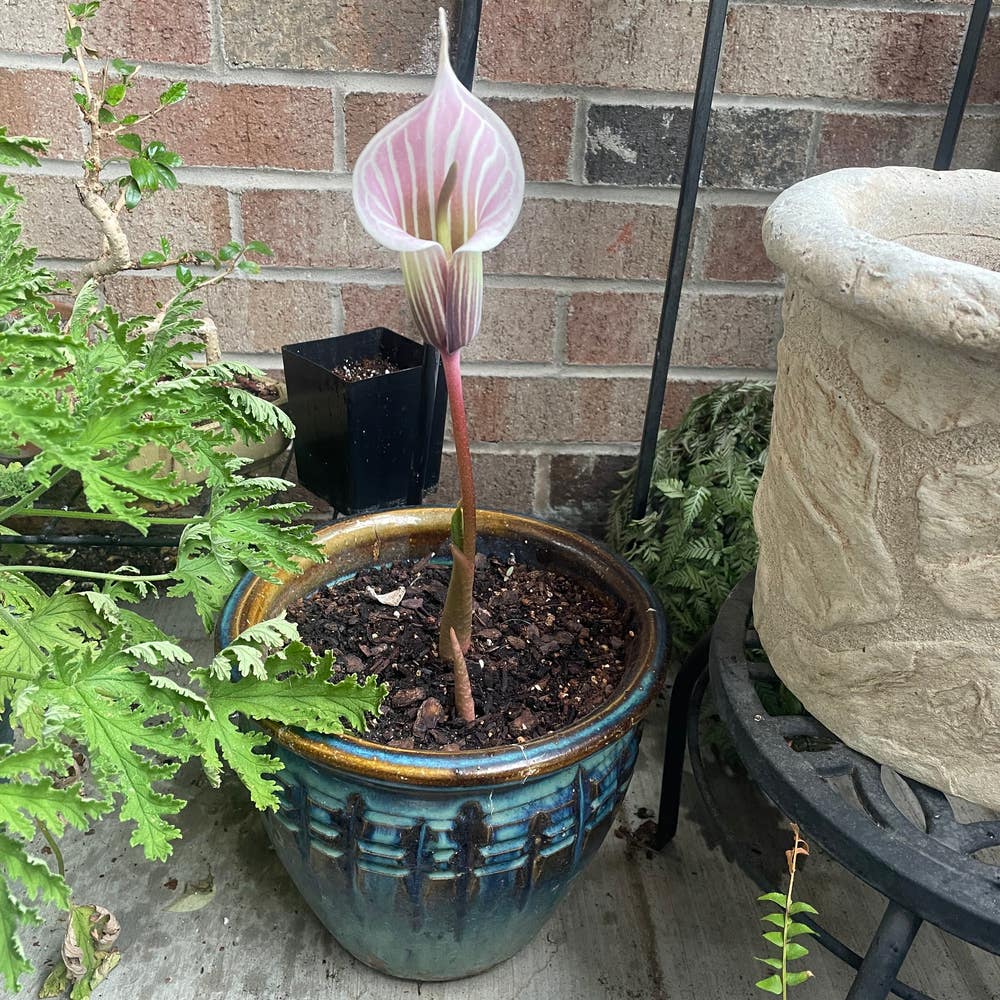
3 Tips for Pruning Arisaema 🐍
Arisaema ulugurense
By the Greg Editorial Team
Nov 26, 2024•4 min read
This article was created with the help of AI so we can cover more plants for you. May contain errors. See one? Report it here.
Transform your Arisaema 🌱 into a thriving beauty by mastering essential pruning techniques for vibrant growth!
- ✂️ Use sharp tools for effective Arisaema pruning and to prevent disease.
- 🌱 Assess and remove dead leaves and flowers to boost plant health.
- 🕒 Timing matters; prune at the right moment for optimal growth.
Pruning Techniques
🛠️ Best Tools for Pruning
To effectively prune your Arisaema, having the right tools is essential. Start with sharp pruning shears for precise cuts, loppers for tackling thicker stems, and gloves to protect your hands.
Maintaining your tools is just as important as using them. Always clean your tools before and after use to prevent disease, and sharpen the blades regularly to ensure clean cuts.
📋 Step-by-Step Pruning Process
Pruning Arisaema can be straightforward if you follow these steps. Begin by assessing the plant for any dead or damaged leaves and flowers.
Next, identify the areas that need pruning. Look for yellowing or browning leaves and spent flowers that detract from the plant's beauty.
When you're ready to prune, use your sharp shears for clean cuts. Cut leaves at the base and remove spent flowers just above the first set of healthy leaves to encourage new growth.
Finally, dispose of the pruned material properly. This helps maintain a clean garden environment and reduces the risk of disease.
With these techniques in hand, you're well on your way to keeping your Arisaema healthy and vibrant. Next, let’s explore the importance of deadheading to enhance your plant's blooming potential.
Deadheading
🌼 Rationale for Deadheading
Deadheading is an essential practice for maintaining the health and beauty of your Arisaema. By removing spent flowers, you encourage prolonged blooming as the plant redirects its energy from seed production back into growth.
Additionally, deadheading enhances the overall appearance of your plant. It also plays a crucial role in reducing disease risk by eliminating decaying flowers that could attract pests or pathogens.
✂️ How to Deadhead Properly
Deadheading is a straightforward process that anyone can master. Start by identifying the spent flowers that need removal.
Use sharp pruning shears to cut the flower stem.
- Make your cut just above the first set of healthy leaves to promote new growth.
After cutting, dispose of the dead flowers properly to prevent any disease spread.
By following these simple steps, you can keep your Arisaema looking vibrant and healthy. With regular deadheading, your plant will thrive and continue to bring beauty to your garden.
Next, let’s explore common pruning mistakes to avoid, ensuring your Arisaema remains in top shape.
Common Pruning Mistakes
Mistakes to Avoid 🌪️
Pruning can be a delicate dance, and missteps can lead to stress for your Arisaema. Over-pruning is a common error that can weaken the plant and hinder its growth.
Timing is everything in gardening. Pruning at the wrong time can disrupt the plant's natural cycle, leading to poor health and vitality. Additionally, using dull or dirty tools can introduce diseases, making your efforts counterproductive.
How to Correct Errors 🔧
If you've over-pruned, don’t panic. Allow the plant to recover naturally; it often knows how to bounce back.
Keep an eye on your plant for signs of stress, such as wilting or discoloration. Providing extra care during this time can help it regain strength. If you've pruned at an inopportune moment, it's best to refrain from further cuts until the right time arrives.
With these insights, you can avoid common pitfalls and keep your Arisaema thriving. Next, let’s explore the importance of deadheading to enhance your plant’s beauty and longevity.
Species-Specific Considerations
✂️ Pruning Different Varieties
When it comes to pruning Arisaema, different varieties have unique needs. For Triphyllum, the best time to prune is after flowering, allowing the plant to focus its energy on growth and recovery.
In contrast, Candidissimum requires a more minimalist approach. Here, the focus should be on removing only dead leaves, which helps maintain the plant's health without unnecessary stress.
🌱 Unique Growth Patterns
Understanding the growth patterns of various Arisaema species is crucial for effective pruning. Some species may need more frequent pruning due to their vigorous growth habits.
By recognizing these growth cycles, you can tailor your pruning practices accordingly. This knowledge not only enhances the plant's appearance but also promotes overall vitality and resilience.
As you dive deeper into the specifics of each variety, you'll find that informed pruning leads to healthier, more vibrant plants. Now, let's explore common pruning mistakes to avoid for optimal results.
⚠️ Safety First
This content is for general information and may contain errors, omissions, or outdated details. It is not medical, veterinary advice, or an endorsement of therapeutic claims.
Always consult a qualified healthcare professional before using any plant as food, medicine, or supplement.
Never eat any plant (or feed one to pets) without confirming its identity with at least two trusted sources.
If you suspect poisoning, call Poison Control (800) 222-1222, the Pet Poison Helpline (800) 213-6680, or your local emergency service immediately.
Spotted an error? Please report it here.
Transform your Arisaema into a blooming masterpiece 🌼 by mastering pruning techniques, and let Greg guide you with tailored reminders and expert tips for thriving plants!