🍂 Best Tips for Dealing with Leaves Falling Over on Arisaema
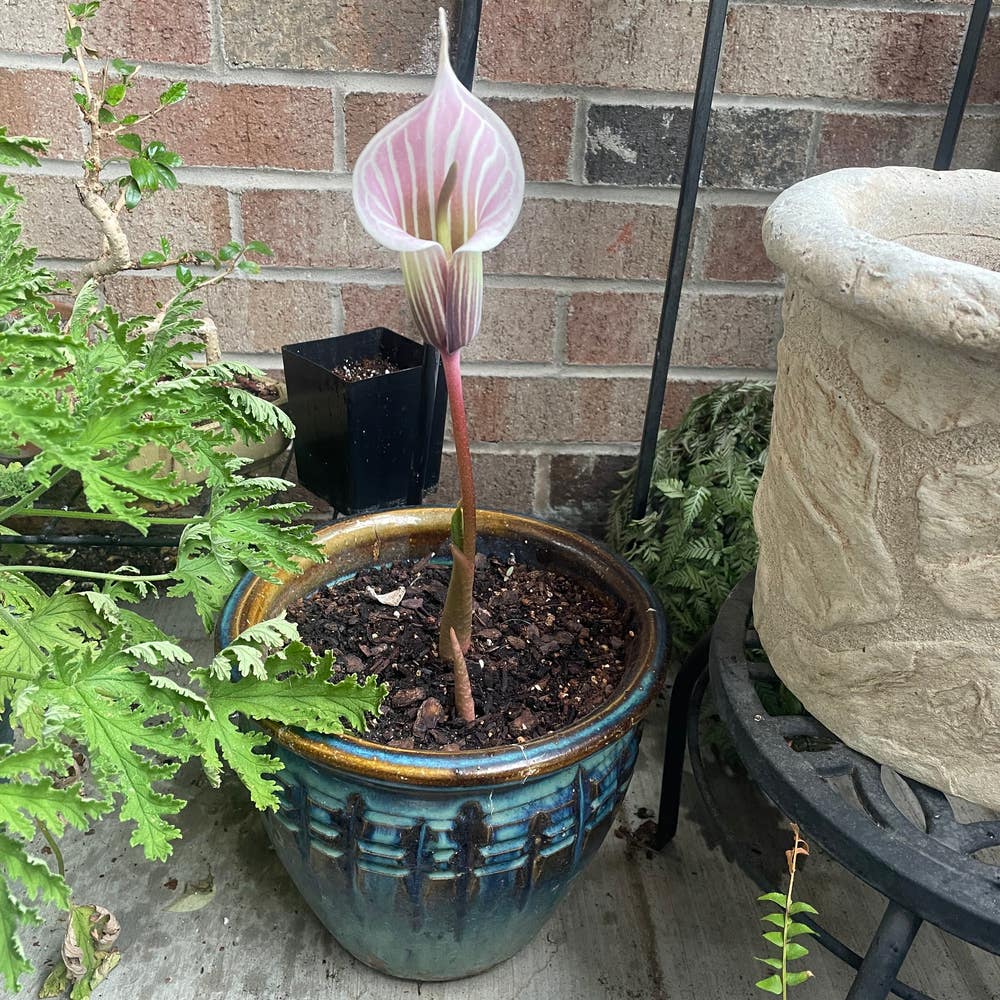
Arisaema ulugurense
By the Greg Editorial Team
Nov 26, 2024•3 min read
This article was created with the help of AI so we can cover more plants for you. May contain errors. See one? Report it here.
Keep your Arisaema thriving 🌱 by mastering pest control and disease prevention with these essential tips!
- 🐛 Aphids and slugs cause drooping leaves; use barriers and traps for control.
- 🌱 Prevent root rot by ensuring well-draining soil and avoiding overwatering.
- 🌬️ Improve air circulation and treat fungal infections with fungicides for healthier leaves.
Pests and Diseases
🐜 Common Pests Affecting Leaves
Aphids: Signs of Infestation and Damage to Leaves
Aphids are tiny, soft-bodied insects that can wreak havoc on your Arisaema. Look for curled leaves, sticky residue, or a black sooty mold, which indicates their presence.
Slugs and Snails: How They Cause Drooping and Methods of Control
Slugs and snails are notorious for causing drooping leaves by feeding on the tender foliage. To control them, consider using barriers like copper tape or traps filled with beer to lure and drown these pests.
🦠 Diseases That Cause Leaf Droop
Root Rot: Symptoms and Prevention Strategies
Root rot is a serious condition that can lead to drooping leaves and plant decline. Symptoms include yellowing leaves and a foul smell from the soil; prevent it by ensuring well-draining soil and avoiding overwatering.
Fungal Infections: Identifying and Treating Common Fungal Issues
Fungal infections can also cause leaf droop, often presenting as spots or mold on the leaves. Treat these infections with fungicides and improve air circulation around your plants to prevent recurrence.
🧪 Treatment Options for Pests and Diseases
Organic Pest Control Methods: Neem Oil, Insecticidal Soap
For pest control, consider organic options like neem oil or insecticidal soap. These methods are effective and safe for the environment, helping to keep your Arisaema healthy.
Disease Management: Crop Rotation and Proper Sanitation Practices
To manage diseases, practice crop rotation and maintain proper sanitation. Regularly remove debris and infected plants to reduce the risk of disease spread and promote a healthier garden environment.
With a solid understanding of pests and diseases, you can better protect your Arisaema. Next, let’s dive into troubleshooting and solutions for common leaf droop issues.
Troubleshooting and Solutions
Step-by-Step Guide to Diagnosing Issues 🕵️♂️
Diagnosing issues with your Arisaema begins with assessing environmental conditions. Check the soil moisture, light exposure, and temperature to ensure they align with the plant's needs.
Next, inspect for pests. Look closely at the leaves and stems for any signs of infestation, such as discoloration or sticky residue.
Finally, evaluate nutrient levels. Testing the soil for deficiencies or imbalances can reveal underlying problems that may be affecting your plant's health.
Solutions for Common Problems Related to Leaf Droop 🌿
Adjusting watering practices is crucial for healthy Arisaema. If you notice drooping leaves, consider whether you are over or underwatering, and make the necessary adjustments.
Implementing pest control measures is another effective solution. Use organic methods like neem oil or insecticidal soap to manage any pest issues you discover.
Modifying environmental conditions can also help. Improve light and humidity levels by relocating your plant or using a humidifier to create a more favorable environment.
By following these steps, you can effectively troubleshoot and address common problems related to leaf droop in your Arisaema. This proactive approach will help ensure your plant thrives and remains vibrant.
⚠️ Safety First
This content is for general information and may contain errors, omissions, or outdated details. It is not medical, veterinary advice, or an endorsement of therapeutic claims.
Always consult a qualified healthcare professional before using any plant as food, medicine, or supplement.
Never eat any plant (or feed one to pets) without confirming its identity with at least two trusted sources.
If you suspect poisoning, call Poison Control (800) 222-1222, the Pet Poison Helpline (800) 213-6680, or your local emergency service immediately.
Spotted an error? Please report it here.
Keep your Arisaema thriving 🌱 by diagnosing leaf droop issues with Greg's tailored care tips and reminders that ensure your plant gets the attention it needs!