🐅 Why Is My Tiger Lily Not Doing Well?
Lilium lancifolium
By the Greg Editorial Team
Jun 18, 2024•9 min read
This article was created with the help of AI so we can cover more plants for you. May contain errors. See one? Report it here.
Bring your wilting Tiger Lily back to life 🌺 by decoding its distress signals with our actionable guide.
- Yellow leaves and wilting signal watering issues; balance and drainage are key.
- Pests and fungal problems harm Tiger Lilies; use insecticidal soaps and improve air circulation.
- Revive with care adjustments: Trim, repot, and monitor environmental factors.
Signs of Distress in Tiger Lily Plants
In the world of Tiger Lilies, wilting is akin to waving a white flag. It's a clear-cut sign that your plant is not just being dramatic—it's genuinely struggling. Yellowing leaves can scream overwatering or a cry for better drainage, while stunted growth whispers of unmet needs. And if you're missing those iconic blooms, it's time to play detective with your plant care routine.
🚩 Symptoms to Watch For
- Wilting: This is your plant's version of a slump. It's not lazy; it's languishing.
- Yellowing Leaves: Think of these as yellow traffic lights, signaling caution with your watering can.
- Stunted Growth: When your Tiger Lily's growth is more 'bonsai,' less 'jungle giant,' take note.
- Lack of Blooms: No flowers? It's like a party without music. Time to troubleshoot.
🔍 Decoding the Distress
- Overwatering: Leaves turning yellow? Dial back on the H2O and let the soil's top few inches dry out.
- Poor Drainage: If adjusting water doesn't fix it, consider a soil intervention to improve drainage.
- Light Issues: Pale leaves might be begging for more light, but brown spots scream for some shade.
- Pests: If you spot leaf munching, it's time to evict those freeloading pests posthaste.
Remember, your Tiger Lily isn't just being temperamental. These signs are its way of telling you something's off. Listen closely, and you'll be on your way to nursing it back to its vibrant, blooming best.

Watering Issues: Over and Under-Watering
Yellowing leaves and a general look of despair in your Tiger Lily might not just be a case of the Mondays; they're classic signs of watering missteps. Overwatering leads to a soggy existence for your plant, with root rot and a foul-smelling soil as its cry for help. On the flip side, underwatering turns your lily into a crispy critter, with dry, brown edges and a wilting posture that screams neglect.
🚱 Recognizing Overwatering
If your Tiger Lily's leaves are dropping faster than your weekend plans, it's likely overwatered. A soil that's more swamp than garden bed, coupled with stems that feel more like overcooked pasta than sturdy plant matter, are dead giveaways.
🏜️ Recognizing Underwatering
When the soil feels like a desert and the leaves are as crisp as autumn leaves, it's a clear SOS for water. Wilting and drooping are your Tiger Lily's way of saying, "I'm not dramatic, I'm just really thirsty!"
Balancing Act: Watering Your Tiger Lily
To avoid turning your Tiger Lily into a botanical drama queen, aim for that Goldilocks zone of watering. Not too much, not too little, just right. Stick your finger in the soil; if the top inch is dry, it's time for a drink. If it's wet, hold off on the H2O.
🚰 Ensuring Proper Drainage
If overwatering is your vice, consider a soil intervention. A well-draining mix can save your plant from a watery grave. Make sure your pots have drainage holes because nobody likes wet feet, especially not your Tiger Lily.
Remember, the key to a happy Tiger Lily is consistent care. Keep an eye on the soil moisture and adjust your watering schedule according to the weather. Your plant will thank you with vibrant blooms and a will to live that matches your own on a Friday evening.

Environmental Stress: Light, Temperature, and Leaf Scorching
Tiger Lilies are as dramatic as a reality TV star when it comes to their environmental needs. Light and temperature play the lead roles in this botanical soap opera.
🚨 Symptoms of Environmental Stress
Pale leaves or a general lack of va-va-voom in your Tiger Lily's growth could be a cry for help. If the leaves are throwing brown or yellow tantrums, it's time to reassess their living conditions.
🛠️ Remedies for Light and Temperature Issues
To prevent your Tiger Lily from becoming a diva, adjust light exposure. Think of it as setting up the perfect stage lighting—bright but not blinding. If your plant's leaves are sporting crispy edges, it's time to dial down the spotlight.
🌞 Protecting from Excessive Sunlight
Leaf scorching is the plant equivalent of a bad sunburn. To avoid this, position your Tiger Lily where it can bask in the morning light but chill in the shade during the harsh afternoon rays.
🌡️ Maintaining Optimal Temperature
Keep the temperature as consistent as a seasoned actor's performance. Sudden changes are as welcome as a plot twist in the final act. If your plant is wilting or looking leggy, it might be time to move it away from that drafty window or hot vent.
👀 Monitoring for Optimal Health
Keep an eye on your green buddy like a hawk. If it starts to look more yellow than a school bus, it's hinting at too much sun. Adjust your plant's position with the seasons to keep it in the limelight, just not directly under it.
Remember, your Tiger Lily's performance is only as good as the environment you set. Keep it stable, and you'll have a showstopper on your hands.

Pest Infestations
🕵️ Identifying the Culprits
Aphids, spider mites, and lily leaf beetles are the usual suspects when it comes to Tiger Lily woes. Aphids are like the clingy friends of the insect world, crowding around stems and leaves, sucking the life out of your plants. Spider mites, meanwhile, are the secretive types, often going unnoticed until their telltale webbing gives them away on the undersides of leaves. Lily leaf beetles? They're the flashy ones with a taste for destruction, their red shells a stark warning sign of the damage they can inflict.
⚔️ The Battle Plan
First off, isolation is key. If you spot an infestation, quarantine the affected plant to prevent a full-blown insect block party. Next, get your hands dirty and pick off any visible pests. It's oddly satisfying, trust me. For those tiny terrors, a strong spray of water can knock them off their feet – literally.
💣 The Arsenal
If you're dealing with a stubborn infestation, it's time to break out the big guns. Insecticidal soaps and neem oil are your go-to weapons, effective yet gentle on the environment. They're like the bouncers of the plant world, showing pests the door without trashing the place. For those who prefer a more hands-off approach, introducing beneficial insects like ladybugs can turn the tide in your favor – it's nature's own pest control service.
💊 Prevention: The Best Medicine
Finally, prevention is better than cure. Keep your Tiger Lilies healthy with proper watering and fertilization, because a strong plant is like a fortress – less inviting to invaders. Regular inspections are also crucial; think of it as neighborhood watch for your garden. Spotting pests early means you can nip problems in the bud before they escalate into a full-blown crisis.
Fungal Issues: Mold, Fungus, and Root Rot
🍄 Recognizing the Symptoms
Discolored stems that feel mushy are a red flag. If your Tiger Lily smells like it's been composting in the basement, you've got a fungal fiesta on your hands. Foul odor from the soil is another tell-tale sign. Look for roots that resemble overcooked noodles—soft, brown, and slimy.
🌬️ Remedies for Fungal Woes
Improve Air Circulation
Get the air moving. Think of it as giving your plant its personal space. Airflow is key to preventing mold and fungus.
💧 Watering Wisdom
Cut back on the H2O. Let the soil go from wet to just damp before you water again. Overwatering is often the culprit behind fungal issues.
🌿 Fungicide to the Rescue
When things look grim, bring out the fungicide. But don't go wild—use it as directed. It's like antibiotics for plants; you don't want to overdo it.
🛠️ Surgery for the Soil
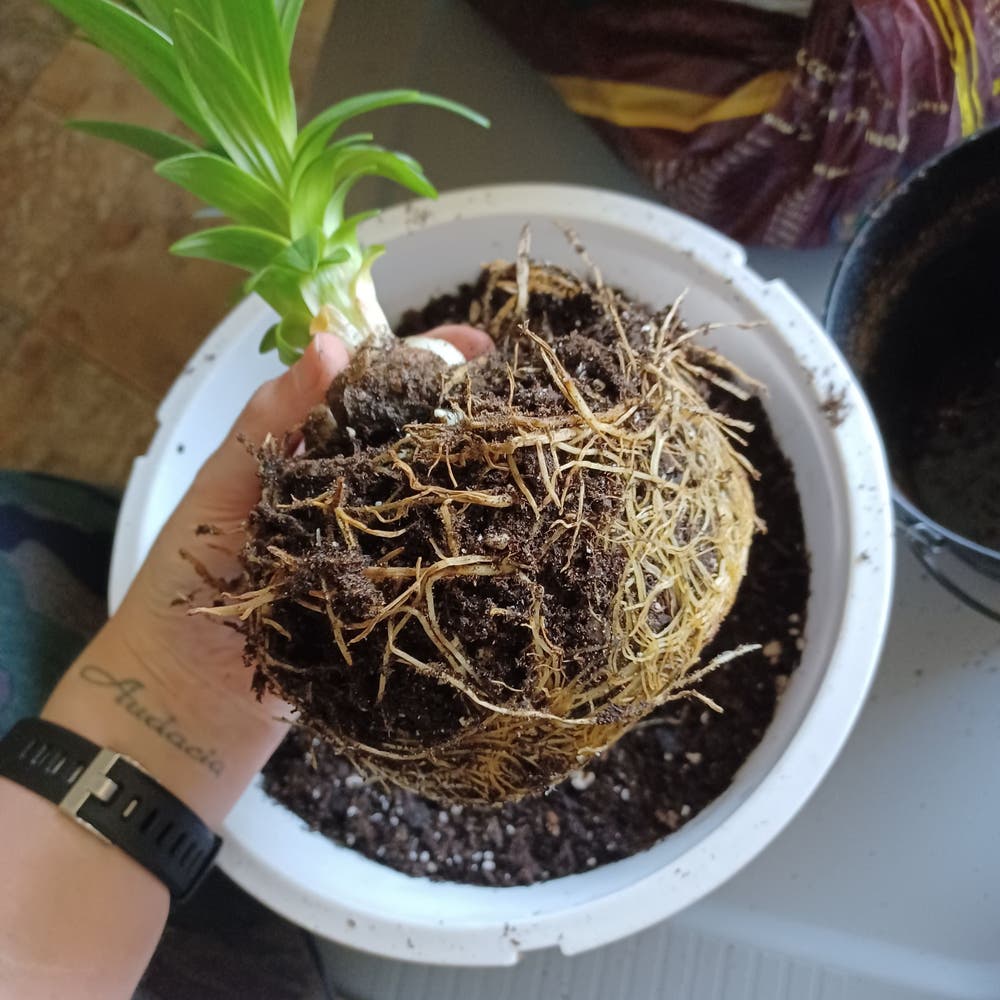
If root rot has set in, it's time to play plant surgeon. Remove the rotted roots, repot with fresh, well-draining soil, and reassess your watering habits. Remember, soggy soil is a no-go.
Revival Strategies for Unhealthy Tiger Lily Plants
🌿 Step 1: Assess and Trim
Inspect your Tiger Lily thoroughly. Look for dead, diseased, or damaged leaves and stems. Trim these areas with sanitized pruning shears to prevent the spread of disease. Remember, cleanliness is next to godliness, especially in the garden.
🌱 Step 2: Repotting with Fresh Soil
If root rot has set in, it's time for some tough love. Remove the plant from its current home, shake off the old soil, and give those roots a spa treatment by trimming away any rotten parts. Repot in fresh, well-draining soil, and disinfect the pot if reusing. Think of it as moving your plant to a better neighborhood.
💧 Step 3: Adjust Watering Practices
Overwatering and underwatering are the frenemies of the Tiger Lily. If you've been heavy-handed with the H2O, dial it back. Let the soil dry out a bit between waterings. Conversely, if your plant's been thirstier than a camel in the desert, increase watering frequency, ensuring the soil stays moist but not soggy.
🌞 Step 4: Environmental Tweaks
Tiger Lilies love the spotlight but can get stage fright if it's too intense. If leaves are looking sunburnt, relocate your plant to a spot with some afternoon shade. Too cold? Move it somewhere warmer. Your plant's comfort zone is crucial.
🌱 Step 5: Fertilize Wisely
Feed your Tiger Lily a balanced meal. A 5-10-5 fertilizer in mid-fall can set the stage for next year's show. Alternatively, top-dress with compost for a more organic approach. Think of it as a vitamin boost for your plant.
🌿 Step 6: Divide and Conquer
If your Tiger Lily is cramped, it's time to give it some breathing room. Divide the bulbs every few years, ensuring each has its own space to flourish. It's like a plant version of social distancing.
🐞 Step 7: Pest and Disease Control
Got bugs? Show them the door with a gentle soap and water solution or a spritz of isopropyl alcohol. Notice a fungus among us? Cut out the infected parts and apply a fungicide. Remember, an ounce of prevention is worth a pound of cure.
📈 Step 8: Monitor and Adjust
Keep an eye on your Tiger Lily as it recovers. Adjust your care routine as needed. Plants are like people; they'll tell you what they need if you're willing to listen.
⚠️ Safety First
This content is for general information and may contain errors, omissions, or outdated details. It is not medical, veterinary advice, or an endorsement of therapeutic claims.
Always consult a qualified healthcare professional before using any plant as food, medicine, or supplement.
Never eat any plant (or feed one to pets) without confirming its identity with at least two trusted sources.
If you suspect poisoning, call Poison Control (800) 222-1222, the Pet Poison Helpline (800) 213-6680, or your local emergency service immediately.
Spotted an error? Please report it here.
Revitalize your struggling Tiger Lily and ensure it flourishes 🌱 with Greg's tailored watering schedules and expert community advice!