Identifying What is Eating Your Tiger Lily 🐞
Lilium lancifolium
By the Greg Editorial Team
Oct 02, 2024•8 min read
This article was created with the help of AI so we can cover more plants for you. May contain errors. See one? Report it here.
Safeguard your vibrant tiger lilies 🌼 from hungry herbivores with these essential gardening strategies!
- 🦌 Deer and rabbits are major threats, damaging flowers and young shoots of tiger lilies.
- 🌱 Protect your lilies with fencing, netting, and organic repellents to deter herbivores.
- ⚠️ Tiger lilies are toxic to pets, so plant them in safe, inaccessible areas.
Appearance and Appeal
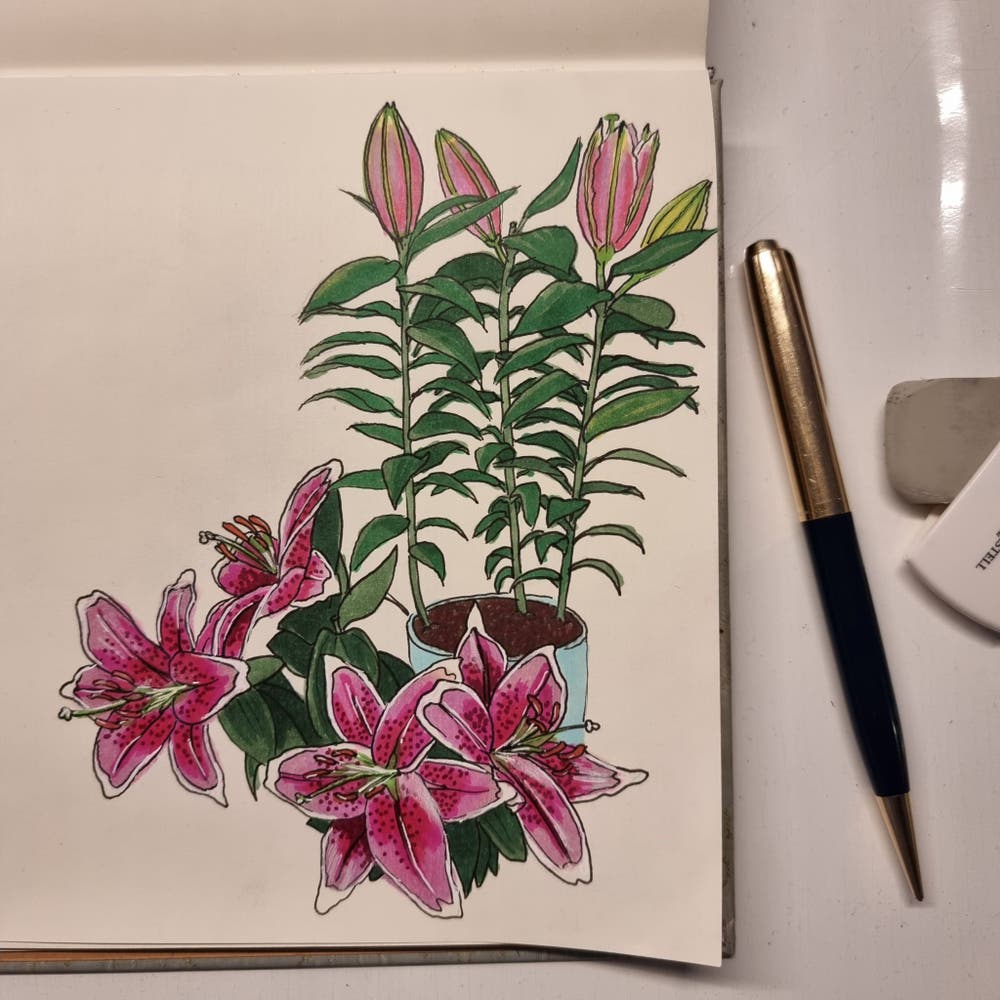
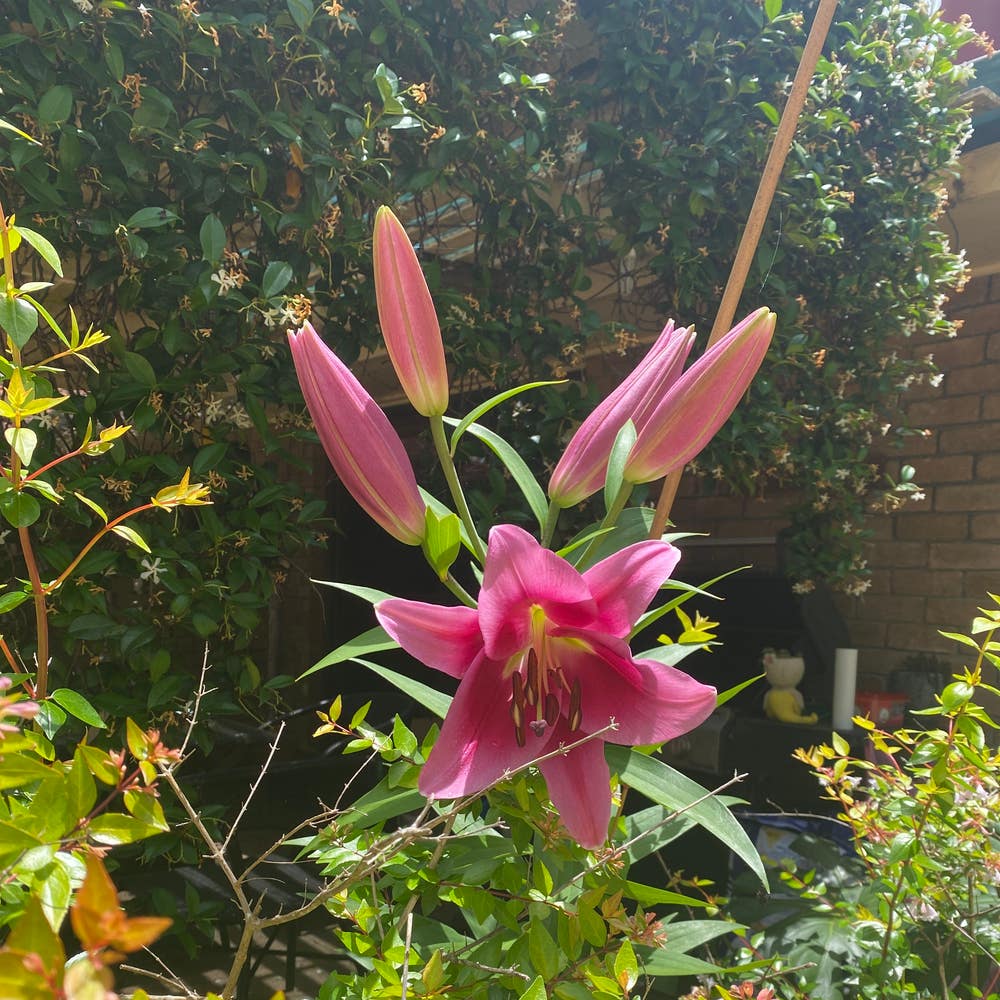
Tiger lilies are truly eye-catching with their distinctive orange flowers adorned with striking black spots. These vibrant blooms can reach heights of 2 to 4 feet, standing tall among other garden plants.
🍃 Leaf Structure
Their long, lance-shaped leaves add to their allure, creating a lush backdrop for the flowers. This combination of color and form makes them a favorite in many gardens.
🐾 Most Appealing Parts to Animals
Several parts of the tiger lily attract herbivores.
- Flowers: The bright color and sweet nectar are irresistible to many animals.
- Young Shoots: Tender and nutritious, these shoots are a delicacy for hungry critters.
- Bulbs: Rich in nutrients, the bulbs serve as a vital food source, especially during lean times.
Understanding what makes tiger lilies appealing can help gardeners protect these beautiful plants from herbivores. With this knowledge, you can take proactive steps to safeguard your garden's treasures.
Common Herbivores Affecting Tiger Lily
🦌 Deer
Signs of presence
Look for hoof prints in the soil and dark, pellet-like droppings near your tiger lilies. These signs indicate that deer are frequent visitors.
Type of damage caused
Deer love to browse on flowers and leaves, often stripping them bare and damaging blooms. This can lead to a significant decline in your plant's health.
Beneficial vs. harmful interaction
While deer can sometimes contribute to the ecosystem, they are generally harmful to tiger lilies. Without management, they can decimate your plants.
Deterrent methods (difficulty: moderate)
To keep deer at bay, consider erecting 8-foot tall fences around your garden. Alternatively, use commercial deer repellents or homemade solutions like garlic spray to deter them.
🐇 Rabbits
Signs of presence
Rabbits leave behind clean cuts on chewed stems and leaves, along with small, round droppings near the base of the plants. These signs are telltale indicators of their presence.
Type of damage caused
Rabbits can cause severe damage to flowers and young shoots, often leading to significant plant loss. Their appetite for tender greens can be relentless.
Beneficial vs. harmful interaction
Rabbits are generally harmful to tiger lilies. Their feeding habits can quickly lead to a garden disaster.
Deterrent methods (difficulty: easy)
To protect your plants, cover them with netting to prevent rabbit access. You can also use organic repellents like cayenne pepper or predator urine for added protection.
🐿️ Squirrels
Signs of presence
Look for chewed bulbs and evidence of digging around the base of your tiger lilies. Squirrel nests in nearby trees can also signal their presence.
Type of damage caused
Squirrels can cause significant bulb damage, which may ultimately lead to plant death. Their digging can disrupt the root system.
Beneficial vs. harmful interaction
Squirrels are generally harmful to your plants. Their activities can disrupt growth and lead to a decline in health.
Deterrent methods (difficulty: moderate)
Use scare tactics like reflective objects or noise-making devices to deter squirrels. Live traps can also be effective for relocation.
🐦 Birds
Signs of presence
Pecked flowers with damaged petals and missing buds are clear signs of bird activity. Nests in nearby trees or shrubs can further indicate their presence.
Type of damage caused
Birds can damage flowers, reducing both aesthetic appeal and pollination. This can affect the overall health of your tiger lilies.
Beneficial vs. harmful interaction
Birds have a mixed impact; some are pollinators while others cause damage. It's essential to find a balance in your garden.
Deterrent methods (difficulty: easy)
To keep birds away, use decoys like plastic owls or other predator replicas. Reflective objects, such as aluminum foil strips, can also help deter them.
🐭 Rodents (Mice, Voles)
Signs of presence
Look for small holes in the ground near your plants and gnaw marks on bulbs and stems. These signs indicate rodent activity.
Type of damage caused
Rodents can cause root and bulb damage, leading to plant decline. Their feeding habits can severely affect your tiger lilies.
Beneficial vs. harmful interaction
Rodents are generally harmful to your garden. Their presence can lead to extensive damage if not managed.
Deterrent methods (difficulty: hard)
Consider using snap traps or live traps for removal. Habitat modification, like clearing debris and tall grass, can also reduce hiding spots for these pests.
🦡 Groundhogs/Woodchucks
Signs of presence
Look for large burrows near your garden and distinctive gnaw marks on chewed plants. These signs indicate groundhog activity.
Type of damage caused
Groundhogs can cause severe damage, often consuming entire plants. Their appetite can devastate your garden area.
Beneficial vs. harmful interaction
Groundhogs are generally harmful to your tiger lilies. Their feeding can lead to significant losses.
Deterrent methods (difficulty: moderate)
To deter groundhogs, bury fencing 12 inches underground to prevent burrowing. You can also use commercial repellents or homemade solutions like castor oil.
Understanding these common herbivores and their impact on tiger lilies is crucial for effective garden management. By implementing the right deterrent methods, you can protect your plants and maintain a thriving garden. Next, let’s explore the beneficial animals that can enhance your garden ecosystem.
Beneficial Animals and Ecosystem Impact
Pollinators Attracted to Tiger Lily 🐝
Tiger lilies are a magnet for bees and butterflies, which play a crucial role in pollination. Their vibrant flowers not only attract these pollinators but also contribute to increasing biodiversity in your garden.
Pollinators help ensure that your tiger lilies thrive, leading to more blooms and a healthier ecosystem. By supporting these beneficial insects, you're fostering a lively environment that benefits all your plants.
Role of Beneficial Insects in Pest Control 🐞
In addition to pollinators, beneficial insects like ladybugs and lacewings are essential for keeping harmful pests at bay. These natural predators feast on aphids and other garden nuisances, helping maintain a balanced ecosystem.
Encouraging these insects in your garden can significantly reduce the need for chemical pesticides. By creating a welcoming habitat for them, you enhance the health of your tiger lilies and the entire garden.
Understanding the roles of these beneficial animals not only helps you protect your plants but also enriches your gardening experience. As you nurture your garden, remember that every creature plays a part in its success.
With this knowledge, you can move on to general strategies for protecting your tiger lilies from herbivores and pests.
General Strategies for Protecting Tiger Lily
🛡️ Preventive Measures
To protect your tiger lilies, start with fencing. Installing physical barriers can effectively deter larger herbivores like deer and groundhogs.
Another strategy is companion planting. By using plants that naturally repel herbivores, you can create a protective buffer around your lilies.
⚠️ Reactive Solutions
If prevention isn't enough, consider using traps for small mammals and rodents. These can help manage populations that threaten your plants.
Additionally, repellents—both chemical and organic—can be effective. Options like garlic spray or commercial repellents can keep unwanted visitors at bay.
🌱 Maintaining a Balanced Garden Ecosystem
It's essential to maintain a balanced garden ecosystem. Encourage beneficial insects, such as ladybugs and lacewings, while managing harmful ones.
This approach not only protects your tiger lilies but also promotes overall garden health. A thriving ecosystem can lead to more resilient plants and a vibrant garden.
By implementing these strategies, you can enjoy the beauty of your tiger lilies while minimizing damage from herbivores. Next, let’s explore seasonal considerations that affect your garden's dynamics.
Seasonal Considerations
🐾 Seasonal Variations in Animal Attraction to Tiger Lily
As the seasons change, so does the activity of animals around your Tiger Lily. In spring, expect a surge in herbivore activity as many animals emerge from hibernation, eager to munch on tender young shoots.
By summer, feeding peaks. Herbivores are on the hunt for vibrant flowers and nutritious foliage, making your Tiger Lily particularly vulnerable.
🛡️ Timing of Plant Damage and Preventive Measures
Early spring is a critical time for your plants. The young shoots are especially susceptible to damage, so proactive measures are essential.
As summer rolls in, flowering plants become a magnet for herbivores. Implementing preventive strategies during this time can help safeguard your garden from potential destruction.
Understanding these seasonal patterns can empower you to protect your Tiger Lily effectively. With the right timing and strategies, you can enjoy the beauty of your garden while keeping unwanted visitors at bay.
Toxicity and Safety
Toxic Effects of Tiger Lily on Animals 🐱
Tiger lilies, while stunning, can pose serious risks to pets, particularly cats. Ingesting any part of the plant can lead to severe health issues, including kidney failure.
Implications for Garden Management 🌼
When planning your garden, it's crucial to consider the safety of your pets. Position tiger lilies in areas that are less accessible to curious animals, ensuring a safe environment while still enjoying their beauty.
By being mindful of plant placement, you can protect both your beloved pets and your vibrant garden. This balance allows you to cultivate a flourishing space without compromising safety.
As you navigate the joys of gardening, remember that awareness is key. Keeping an eye on your plants and their potential effects can lead to a healthier, happier garden.
With this knowledge in hand, you can now transition to exploring how to maintain a balanced garden ecosystem, ensuring both beauty and safety thrive together.
⚠️ Safety First
This content is for general information and may contain errors, omissions, or outdated details. It is not medical, veterinary advice, or an endorsement of therapeutic claims.
Always consult a qualified healthcare professional before using any plant as food, medicine, or supplement.
Never eat any plant (or feed one to pets) without confirming its identity with at least two trusted sources.
If you suspect poisoning, call Poison Control (800) 222-1222, the Pet Poison Helpline (800) 213-6680, or your local emergency service immediately.
Spotted an error? Please report it here.
Safeguard your vibrant tiger lilies from hungry herbivores with Greg's personalized protection tips 🦌, ensuring your garden thrives beautifully all season long!