🐅 Asiatic Tiger Lily: A Perennial Plant
Lilium lancifolium
By the Greg Editorial Team
Oct 10, 2024•4 min read
This article was created with the help of AI so we can cover more plants for you. May contain errors. See one? Report it here.
Cultivate a stunning garden 🌼 with the resilient Asiatic Tiger Lily, a perennial that thrives effortlessly year after year! 🌱
- 🌼 Asiatic Tiger Lilies are perennials, regrowing each season from the same root system.
- 🌞 They thrive in full sun and well-drained soil, ensuring vibrant blooms from June to August.
- 🌱 Low-maintenance and resilient, these lilies enhance garden beauty with minimal effort.
Asiatic Tiger Lily as a Perennial
🌱 Definition and Classification
The Asiatic Tiger Lily is a perennial plant, meaning it lives for more than two years. It regrows each season from the same root system, showcasing its resilience and adaptability.
This classification highlights its multi-year lifecycle, allowing it to thrive year after year. With its ability to return each spring, the Asiatic Tiger Lily stands out as a reliable choice for gardeners seeking lasting beauty.
🌼 Why Perennials Matter
Understanding perennials like the Asiatic Tiger Lily is crucial for effective gardening. They not only reduce the need for replanting but also contribute to a vibrant garden ecosystem.
By investing in perennials, you create a sustainable landscape that flourishes with minimal effort. This makes the Asiatic Tiger Lily an excellent addition to any garden, offering both aesthetic appeal and practicality.
As we delve deeper into its key characteristics, you'll discover why this plant is a favorite among gardening enthusiasts.
Key Characteristics
Multi-Year Lifecycle 🌱
The Asiatic Tiger Lily is a perennial that generally lives for 3-5 years, thriving under optimal conditions. Its growth cycle is distinct: it emerges in spring, bursts into bloom during summer, and gracefully enters dormancy in the fall.
Growth Patterns and Regrowth 🌼
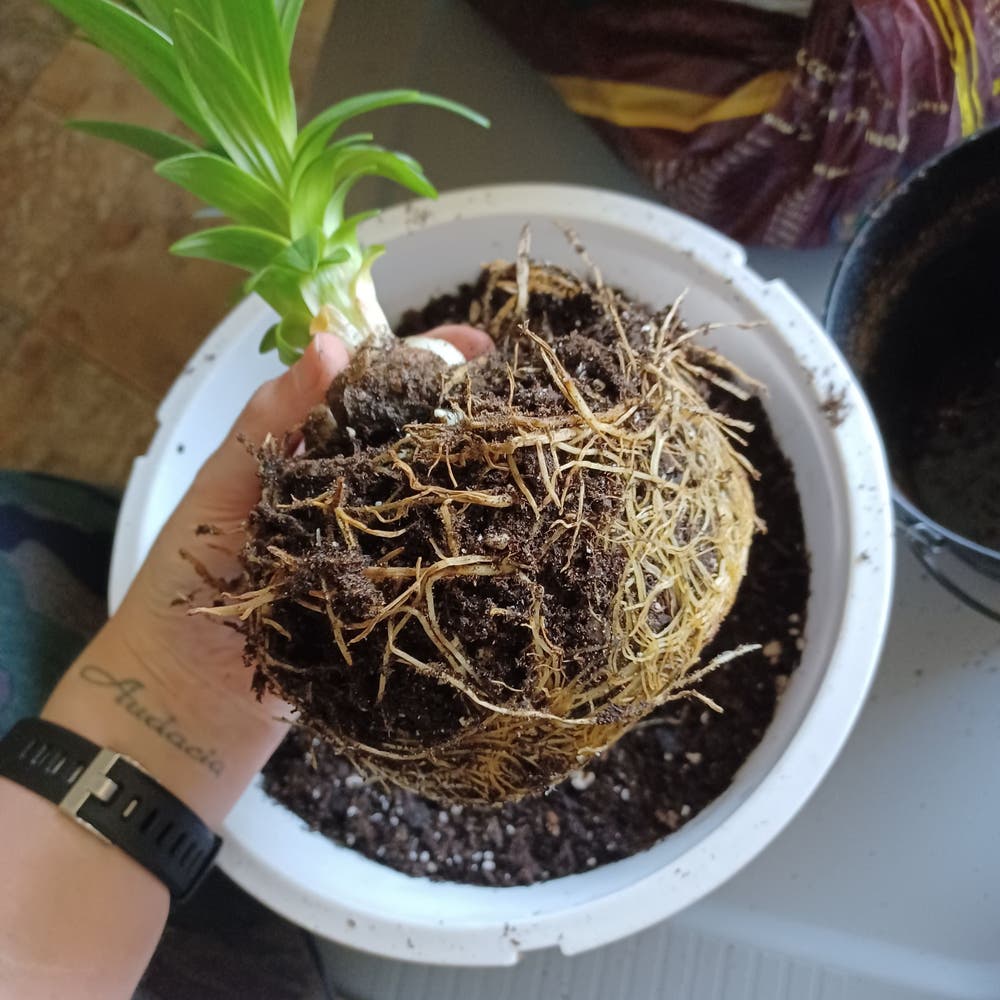
This plant boasts a bulbous root system that stores energy, ensuring robust regrowth each season. In spring, vibrant foliage unfurls, leading to the striking orange flowers that typically appear mid-summer.
Each year, new shoots develop from the same root system, showcasing the plant's resilience and ability to rejuvenate. This cycle not only enhances its beauty but also makes it a reliable choice for any garden enthusiast.
With its multi-year lifecycle and impressive regrowth patterns, the Asiatic Tiger Lily stands out as a perennial worth cultivating. As we explore its impact on growth and flowering next, you'll see how these characteristics contribute to its overall appeal.
Impact on Growth and Flowering
🌸 Flowering Cycles and Seasonal Changes
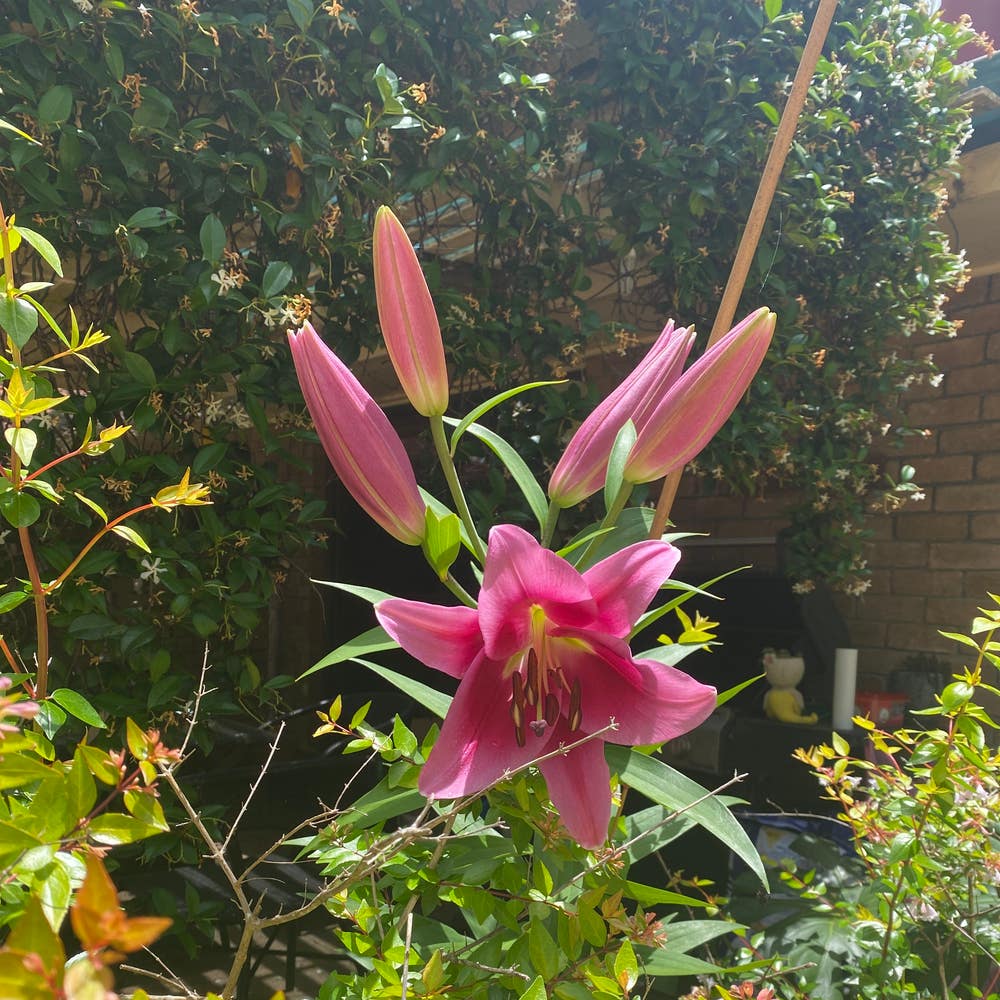
The Asiatic Tiger Lily typically blooms from June to August, showcasing its vibrant orange flowers. This flowering period can vary slightly based on local climate conditions, making it essential to consider your specific environment.
As summer progresses, the plant's foliage remains lush and green, but as fall approaches, it begins to die back. This natural cycle signals the onset of dormancy, preparing the plant for the colder months ahead.
❄️ Dormancy Periods
During winter, the foliage wilts and dies back completely, but don't worry—the roots stay alive and viable underground. This dormancy is crucial; it allows the plant to conserve energy and resources when conditions are less favorable.
Understanding this dormancy period is vital for gardeners. It ensures that the Asiatic Tiger Lily can thrive year after year, returning stronger each spring. With this knowledge, you can appreciate the resilience of this beautiful perennial and plan your garden accordingly.
As we delve deeper into the advantages of the Asiatic Tiger Lily for gardeners, you'll see how its unique growth patterns can enhance your gardening experience.
Advantages for Gardeners
Reduced Replanting Needs 🌱
Asiatic Tiger Lilies are a fantastic long-term investment for any garden. Once established, they require minimal replanting, allowing you to enjoy their beauty year after year without the hassle.
This longevity not only saves you time but also cuts down on costs associated with garden maintenance. You can focus on enjoying your garden rather than constantly replanting.
Established Root Systems 🌳
The strength of the Asiatic Tiger Lily lies in its robust root systems. These strong roots enhance the plant's resilience against environmental stressors, making it a reliable choice for various climates.
Moreover, well-developed roots improve nutrient uptake from the soil. This means healthier plants that thrive with less effort on your part, allowing you to cultivate a vibrant garden with ease.
Incorporating Asiatic Tiger Lilies into your garden not only simplifies your gardening routine but also enriches your landscape. As you plan your garden, consider how these resilient perennials can contribute to a flourishing ecosystem.
Climate Zone Variations and Garden Planning
🌍 Variations in Behavior Across Climates
Asiatic Tiger Lilies flourish in temperate regions, where well-drained soil and full sun create the perfect environment for their vibrant blooms. Their adaptability is impressive; they can tolerate various soil types and conditions, making them a versatile choice for many gardens.
🌱 Tips for Maximizing Benefits
To ensure optimal growth, select sites that receive full sun and have well-drained soil. This simple choice can significantly enhance the plant's health and flowering potential.
Companion planting is another effective strategy. Pairing Asiatic Tiger Lilies with other perennials not only creates a visually appealing garden but also fosters a diverse ecosystem that benefits all plants involved.
By understanding these climate variations and planning accordingly, you can cultivate a thriving garden that showcases the beauty of Asiatic Tiger Lilies while minimizing maintenance efforts.
⚠️ Safety First
This content is for general information and may contain errors, omissions, or outdated details. It is not medical, veterinary advice, or an endorsement of therapeutic claims.
Always consult a qualified healthcare professional before using any plant as food, medicine, or supplement.
Never eat any plant (or feed one to pets) without confirming its identity with at least two trusted sources.
If you suspect poisoning, call Poison Control (800) 222-1222, the Pet Poison Helpline (800) 213-6680, or your local emergency service immediately.
Spotted an error? Please report it here.
Elevate your garden's beauty with the vibrant Asiatic Tiger Lily 🌷, and let Greg guide you with tailored care tips to ensure these perennials thrive effortlessly season after season!