🐅 3 Tips for Healthy Asiatic Tiger Lily Roots
Lilium lancifolium
By the Greg Editorial Team
Oct 10, 2024•6 min read
This article was created with the help of AI so we can cover more plants for you. May contain errors. See one? Report it here.
Master the art of caring for Asiatic Tiger Lilies 🌼 by understanding their vital root system for vibrant blooms!
- 🌱 Healthy Asiatic Tiger Lily roots absorb nutrients and water through a fibrous system.
- 💧 Consistent moisture is vital; avoid overwatering to prevent root rot.
- 🌼 Transplant in spring or fall to minimize stress and ensure robust growth.
Characteristics of the Root System
🌱 Type of Root System
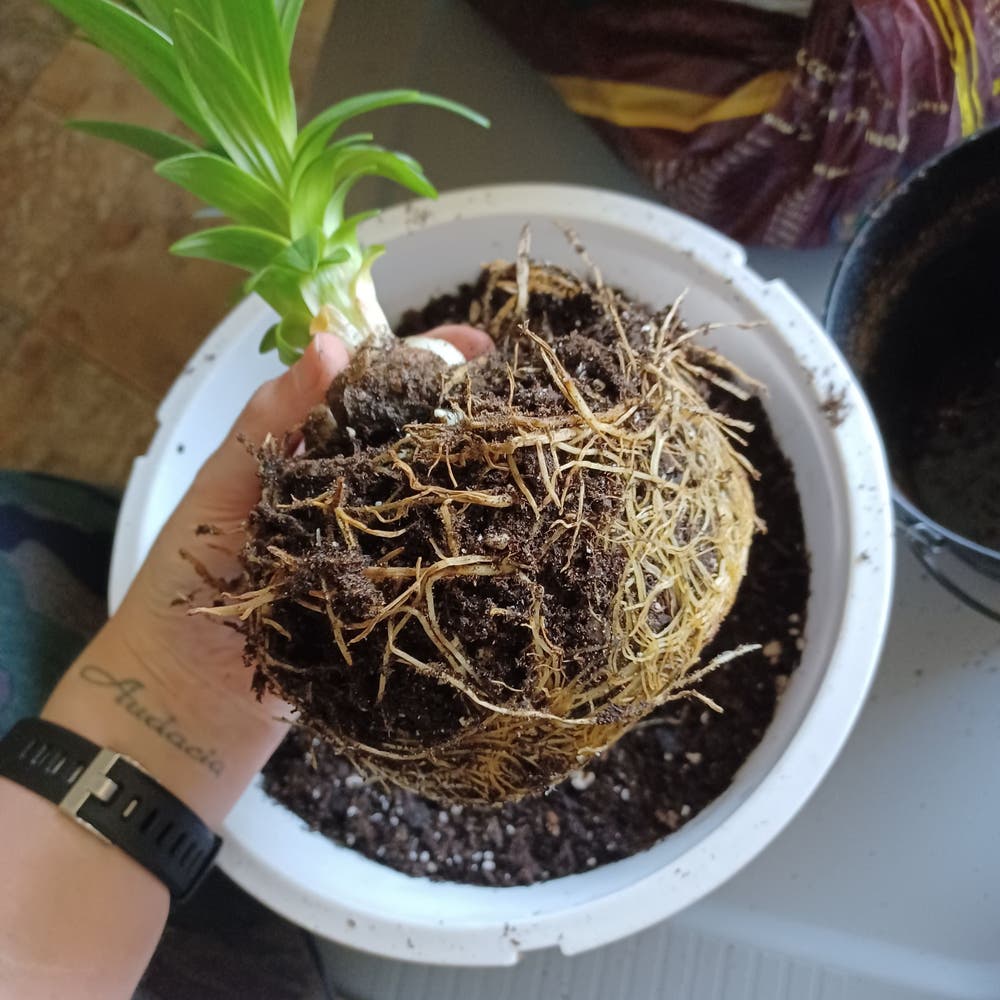
Asiatic Tiger Lilies boast a fibrous root system. These roots are thin and branching, spreading widely to maximize their reach.
This structure allows for efficient nutrient and water absorption, crucial for the plant's overall health.
📏 Root Depth and Spread
Typically, the roots of Asiatic Tiger Lilies reach a depth of 12 to 18 inches (30 to 45 cm). They can also spread up to 24 inches (60 cm) or more.
This extensive spread is vital for the plant's stability and resilience, helping it withstand various environmental stresses.
🌿 Growth Patterns
The growth patterns of Asiatic Tiger Lily roots change with the seasons. In spring, the roots enter an active growth phase, establishing themselves for the year ahead.
During summer, they focus on maximum nutrient uptake, ensuring the plant thrives. By fall, the roots prepare for dormancy, conserving energy for the next growth cycle.
Understanding these characteristics is essential for nurturing healthy Asiatic Tiger Lilies. With this foundation, you can effectively manage their watering and fertilizing needs, ensuring robust growth and vitality.
Watering and Fertilizing Techniques
🌱 Impact of Root System on Watering Needs
Asiatic Tiger Lily roots thrive in consistent moisture, but it's crucial to avoid waterlogging. A good rule of thumb is to keep the soil evenly moist, checking regularly to ensure it doesn’t dry out completely.
Overwatering can lead to root rot, while underwatering shows signs like wilting and yellowing leaves. Healthy roots are your best indicator; they should feel firm and look vibrant.
🌼 Fertilization Techniques
For optimal growth, use fertilizers with balanced NPK ratios. This ensures your lilies receive the right nutrients at the right time.
Apply fertilizers in early spring and again in mid-summer to support robust root health. When applying, gently work the fertilizer into the soil around the roots, avoiding direct contact to prevent burning.
Understanding these watering and fertilizing techniques will set your Asiatic Tiger Lilies up for success. Next, let’s explore the best practices for transplanting these beautiful plants.
Transplanting Considerations
Best Practices for Transplanting 🌱
Transplanting Asiatic Tiger Lilies requires careful timing. The best periods are early spring or fall when the plant is less stressed.
To ensure a successful transplant, follow these steps:
- Prepare the new site: Ensure the soil is well-draining to promote healthy root growth.
- Carefully dig up the plant: Aim to preserve as many roots as possible to minimize shock.
- Replant at the same depth: This helps the plant acclimate and thrive in its new location.
Impact of Root System on Transplant Success 🌿
Minimizing root disturbance is crucial for transplant success. The less you disrupt the roots, the better the plant will adapt.
Indicators of successful transplanting include new growth and healthy root recovery. Keep an eye on your lilies; they’ll show you how well they’re settling in.
With these practices, you can ensure your Asiatic Tiger Lilies thrive in their new home, setting the stage for vibrant blooms. Next, let’s explore common root-related issues that can affect your plants.
Common Root-Related Issues
🦠 Identifying Root Rot and Other Diseases
Root rot is a common issue for Asiatic Tiger Lilies, and its symptoms are hard to miss. Look for wilting leaves, yellowing foliage, and mushy roots—these are clear indicators that something is wrong.
Other diseases can also affect the root system, such as fungal infections. These can lead to stunted growth and overall plant decline, making it essential to monitor your plants closely.
🛠️ Solutions for Preventing Root Problems
Preventing root issues starts with proper soil management. Ensure your soil has excellent drainage and aeration to keep roots healthy and thriving.
Overwatering is a major culprit in root problems, so be mindful of your watering habits. Additionally, consider using disease-resistant varieties to bolster your garden's resilience against potential threats.
By taking these proactive steps, you can maintain a robust root system, ensuring your Asiatic Tiger Lilies flourish. Next, let’s explore how to recognize root health effectively.
Recognizing Root Health
🌱 Visual Cues for Healthy vs. Unhealthy Roots
Healthy roots are a gardener's pride. They should feel firm and display a white or light tan color, indicating vitality.
In contrast, unhealthy roots present a troubling sight. Look for dark, mushy textures or foul smells, which signal decay and potential issues.
🔄 Indicators of Rootbound Conditions
Understanding rootbound conditions is crucial for plant health. A rootbound plant has roots that circle the pot, restricting growth and nutrient absorption.
Signs of a rootbound plant include stunted growth and poor water uptake. If you notice these symptoms, it’s time to take action.
Steps to Remedy Rootbound Conditions
- Inspect the root system during repotting to assess the extent of the issue.
- Trim circling roots carefully to encourage new growth.
- Replant in a larger container with fresh, well-draining soil to give your plant room to thrive.
By recognizing these signs and taking timely action, you can ensure your Asiatic Tiger Lily remains healthy and vibrant. This proactive approach sets the stage for successful growth and resilience against stress factors.
Next, let’s explore propagation and division techniques to further enhance your gardening skills.
Propagation and Division Techniques
🌱 Importance of Root Health in Propagation
Healthy roots are crucial for successful propagation. They ensure that new plants can establish themselves quickly and thrive in their new environment.
Timing is also key; early spring is the best time for propagation. This period allows the plants to take advantage of the growing season, leading to stronger growth.
✂️ Techniques for Dividing Without Damaging Roots
Dividing Asiatic Tiger Lilies requires careful handling to protect their roots. Follow these steps for a successful division:
Water the plant thoroughly before division. This helps to soften the soil and makes it easier to work with.
Carefully dig around the root system. Use a spade or garden fork to loosen the soil without damaging the roots.
Use a sharp, clean tool to divide the rhizomes. A clean cut minimizes the risk of disease and promotes quicker healing.
Replant immediately in well-draining soil. This ensures that the newly divided plants have the best chance to establish themselves.
By following these techniques, you can propagate your Asiatic Tiger Lilies effectively while maintaining the health of their root systems. This not only enhances your garden but also contributes to the overall vitality of your plants.
Next, we’ll explore how to recognize root health, ensuring your plants remain robust and resilient.
⚠️ Safety First
This content is for general information and may contain errors, omissions, or outdated details. It is not medical, veterinary advice, or an endorsement of therapeutic claims.
Always consult a qualified healthcare professional before using any plant as food, medicine, or supplement.
Never eat any plant (or feed one to pets) without confirming its identity with at least two trusted sources.
If you suspect poisoning, call Poison Control (800) 222-1222, the Pet Poison Helpline (800) 213-6680, or your local emergency service immediately.
Spotted an error? Please report it here.
Ensure your Asiatic Tiger Lily roots are thriving 🌿 with Greg's tailored watering alerts and nutrient tips that keep your plants healthy and blooming beautifully!