Step-by-Step Guide to Propagating Asiatic Tiger Lily 🐅
Lilium lancifolium
By the Greg Editorial Team
Oct 10, 2024•3 min read
This article was created with the help of AI so we can cover more plants for you. May contain errors. See one? Report it here.
Grow stunning Asiatic Tiger Lilies 🌼 effortlessly with these expert propagation tips for vibrant blooms!
- 🌱 Choose firm bulbs and well-draining soil for successful Asiatic Tiger Lily propagation.
- 🌼 Plant bulbs 6-8 inches deep and space them 12-15 inches apart for optimal growth.
- 🐞 Monitor for pests like aphids; use insecticidal soap for effective control.
Propagation Methods for Asiatic Tiger Lily
🌱 Propagating from Bulbs
Selecting Healthy Bulbs
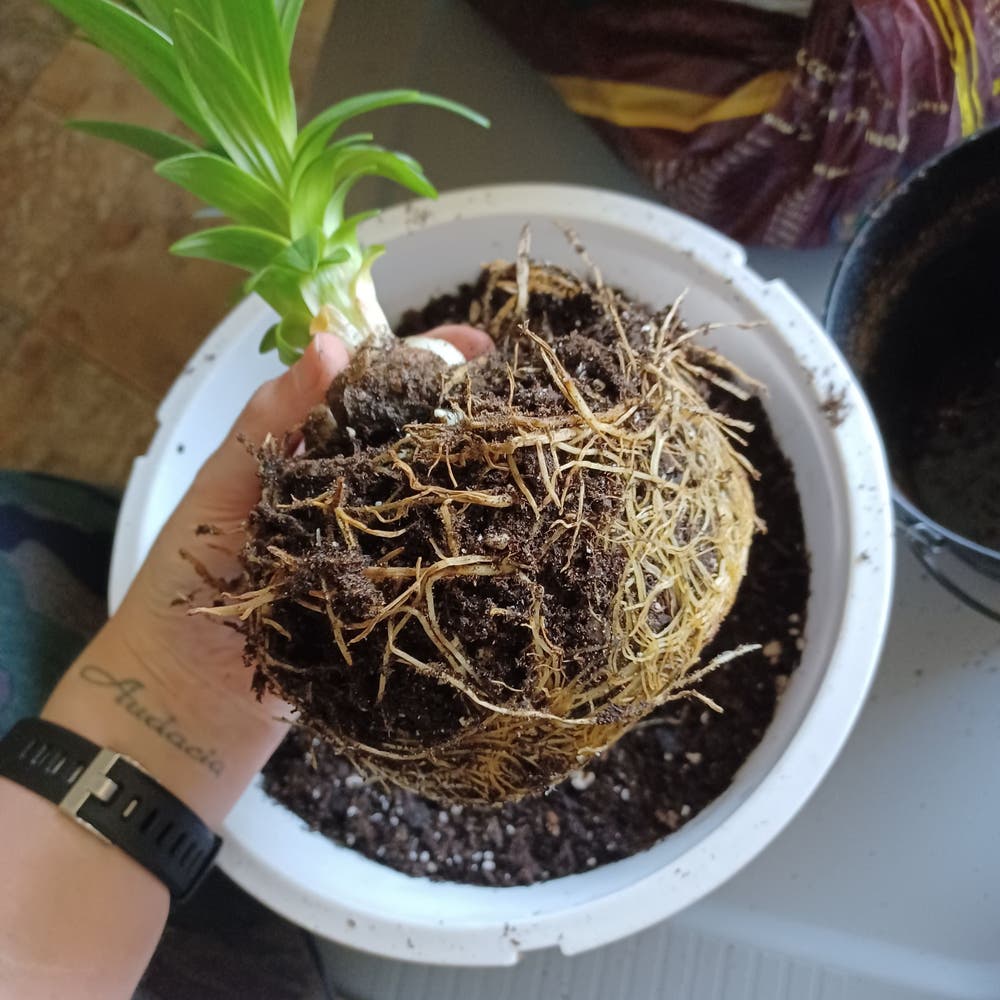
To start your propagation journey, choose firm, plump bulbs that show no signs of rot or damage. Aim for bulbs that are 2-3 inches in diameter for the best results.
Preparing the Soil
Next, focus on the soil. It should be well-draining and loamy, with a pH between 6.0 and 7.0. Enhance your soil with compost or well-rotted manure to provide essential nutrients.
Planting the Bulbs
When it’s time to plant, dig holes 6-8 inches deep. Space your bulbs 12-15 inches apart to allow for optimal growth and airflow.
Watering and Care After Planting
After planting, thoroughly soak the soil to kickstart the process. Maintain consistent moisture, but be careful not to waterlog the area.
🌼 Propagating from Seeds
Collecting Seeds
For seed propagation, timing is key. Collect seeds when the pods turn brown and dry, cutting them open to gently extract the seeds.
Preparing Seedlings
Start your seeds indoors about 8-10 weeks before the last frost. Use seed trays filled with a seed-starting mix, keeping the soil moist for successful germination.
Transplanting Seedlings
Once your seedlings develop 2-3 true leaves, it’s time to transplant them. Space them 12-15 inches apart in well-draining soil to ensure healthy growth.
🌿 Propagating from Rhizomes
Identifying Rhizomes
Look for healthy, thick rhizomes that have multiple growth points. The best time to harvest these is late summer to early fall.
Dividing Rhizomes
Use a clean, sharp spade to cut the rhizomes into sections, ensuring each piece has at least one growth bud. Allow the cut surfaces to dry for a few hours to prevent rot.
Planting Divided Rhizomes
Plant the divided rhizomes 4-6 inches deep, spacing them 12-15 inches apart, just like you would with bulbs.
⚠️ Common Challenges and Solutions
Pests and Diseases During Propagation
Be on the lookout for common pests like aphids and lily beetles. Control these nuisances with insecticidal soap or neem oil.
Environmental Factors Affecting Propagation Success
Sunlight is crucial; aim for full sun to partial shade for optimal growth. Also, ensure proper soil drainage to avoid issues like bulb rot.
🛠️ Tools and Materials Needed
Essential Tools for Propagation
Gather essential tools such as a garden spade or trowel for planting, and pruning shears for cutting rhizomes and seed pods. Seed trays and labels will help you stay organized.
Recommended Soil and Fertilizers
Use a well-draining loamy soil mixed with organic matter. A balanced NPK fertilizer should be applied at planting and during active growth for best results.
With these methods and tips, you're well on your way to successfully propagating Asiatic Tiger Lilies. Next, let’s explore the common challenges you might face and how to overcome them.
⚠️ Safety First
This content is for general information and may contain errors, omissions, or outdated details. It is not medical, veterinary advice, or an endorsement of therapeutic claims.
Always consult a qualified healthcare professional before using any plant as food, medicine, or supplement.
Never eat any plant (or feed one to pets) without confirming its identity with at least two trusted sources.
If you suspect poisoning, call Poison Control (800) 222-1222, the Pet Poison Helpline (800) 213-6680, or your local emergency service immediately.
Spotted an error? Please report it here.
Propagate your Asiatic Tiger Lilies like a pro 🌱 with Greg's tailored watering reminders and expert care tips to ensure vibrant blooms all season long!