Getting Your Asiatic Tiger Lily to Bloom 🐅
Lilium lancifolium
By the Greg Editorial Team
Oct 10, 2024•4 min read
This article was created with the help of AI so we can cover more plants for you. May contain errors. See one? Report it here.
Elevate your garden's beauty with Asiatic Tiger Lilies and discover essential tips for nurturing their vibrant blooms! 🌼
- 🌼 Asiatic Tiger Lilies bloom mid-summer, showcasing vibrant colors for 3-4 weeks.
- 🌞 Ensure 6-8 hours of sunlight daily to encourage healthy blooming.
- 🌱 Healthy bulbs and well-draining soil are essential for robust flowering.
Flower Characteristics
Description of Colors and Structure 🌈
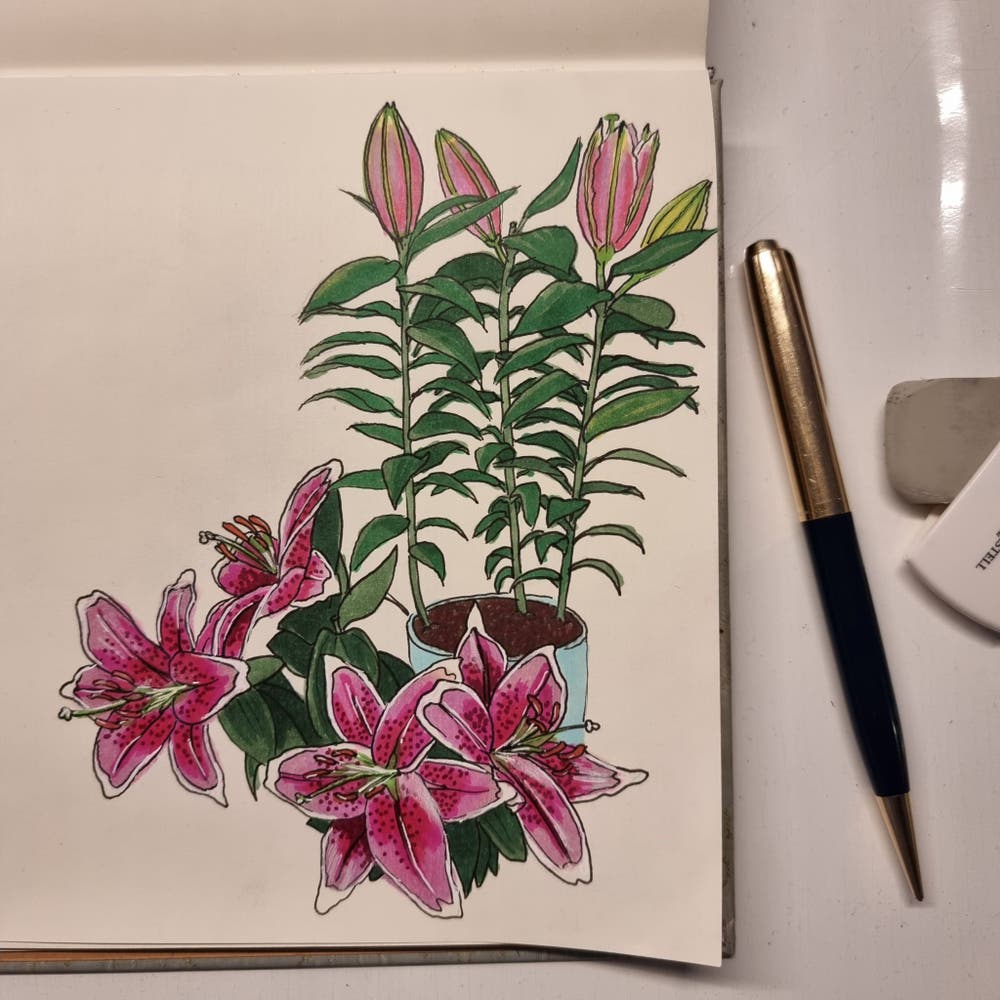
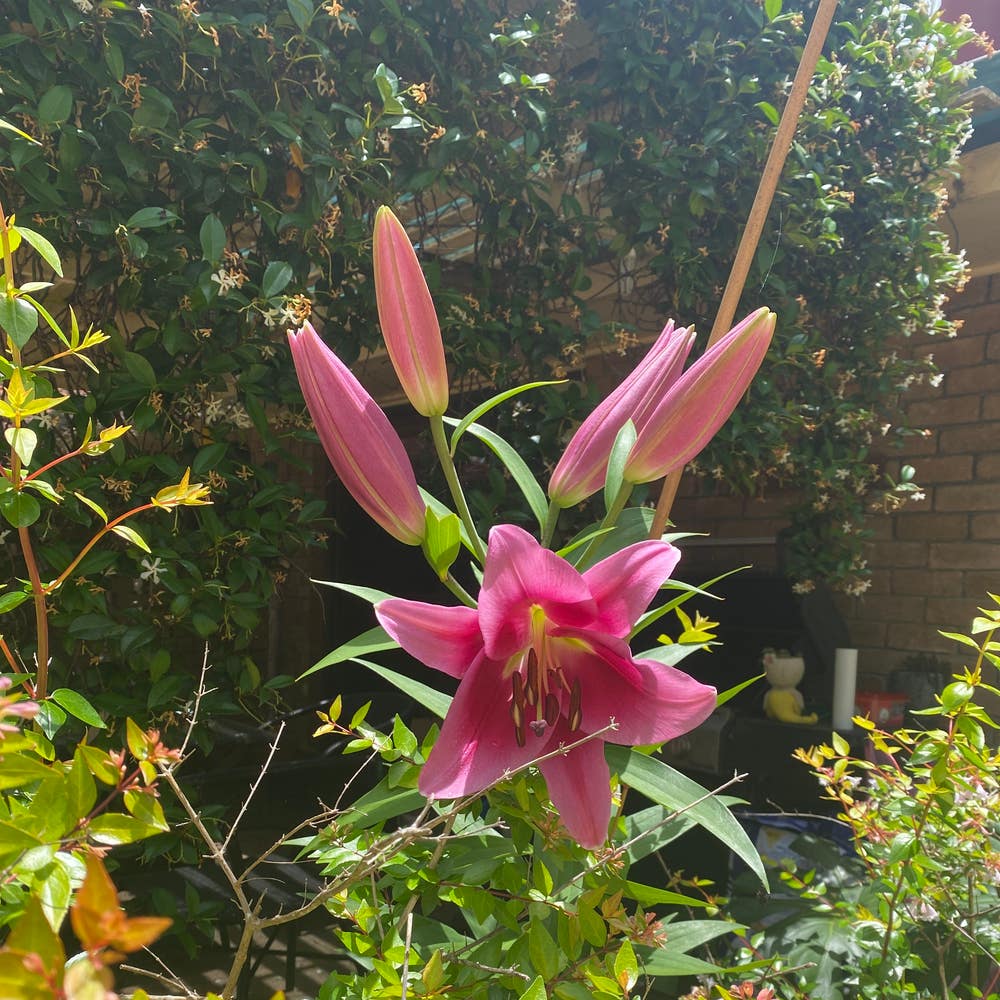
Asiatic Tiger Lilies are a vibrant spectacle in any garden, showcasing stunning colors like orange, yellow, and red. Their trumpet-shaped flowers feature prominent petals adorned with striking spots, making them a visual delight.
Pollination Methods 🐝
These lilies primarily rely on external pollination, attracting bees and butterflies to do the work. While some varieties have limited self-pollinating capabilities, they thrive best with a little help from their pollinator friends.
The unique characteristics of Asiatic Tiger Lilies not only enhance their beauty but also play a crucial role in their blooming success. Understanding these aspects sets the stage for nurturing these captivating flowers in your garden.
Blooming Process
Stages of Blooming 🌸
The blooming process of the Asiatic Tiger Lily is a fascinating journey. It begins with bud formation, where the initial flower spikes start to develop.
Next, the blooming stages unfold:
- Bud swelling: The buds grow larger and prepare for the next phase.
- Petal unfurling: The petals begin to open, revealing their vibrant colors.
- Full bloom: Finally, the flower reaches its stunning peak, showcasing its beauty.
Typical Bloom Time and Duration ⏳
You can expect these lilies to bloom in mid-summer, typically from June to August. The flowers are not just a fleeting sight; they last for several weeks, generally around 3 to 4 weeks.
Time from Bud Formation to Full Bloom ⏰
From the moment the buds form, it takes about 2 to 3 weeks for them to fully bloom. This relatively short time frame makes the anticipation all the more exciting, as you watch your garden transform.
As you nurture your Asiatic Tiger Lily, understanding this blooming process will help you appreciate each stage. Next, let's explore how to encourage those beautiful blooms to flourish even more.
Encouraging Blooms
🌼 Tips for Encouraging Blooming
To get your Asiatic Tiger Lily to bloom beautifully, start with sunlight. Aim for 6-8 hours of direct sunlight daily to energize those vibrant colors.
Next, focus on watering. Keep the soil consistently moist, but avoid waterlogging, which can harm the bulbs.
Fertilization is also key. Use a balanced fertilizer during the growing season to provide essential nutrients for robust growth.
Lastly, don’t forget to prune. Regularly remove spent flowers to encourage new growth and prolong the blooming period.
🌱 Factors Influencing Flowering
Soil quality plays a significant role in blooming. Well-draining, fertile soil enhances the chances of vibrant flowers.
Temperature is another crucial factor. Asiatic Tiger Lilies thrive in moderate temperatures, ideally between 15°C to 25°C (59°F to 77°F).
Finally, consider bulb health. Healthy bulbs are essential for robust flowering, so ensure they are well-cared for throughout the growing season.
By following these tips and understanding the influencing factors, you can create an environment where your Asiatic Tiger Lily flourishes. This will set the stage for a stunning display of blooms in your garden.
Next, let’s explore what happens after the flowers fade and how to care for your plant post-bloom.
Post-Flowering Care
What Happens After Flowering 🌼
Once the flowering period concludes, you'll notice the vibrant blooms fading and eventually dying back. At this stage, the plant shifts its focus from flowers to nurturing its foliage and bulb health.
Lifespan of the Plant Post-Bloom 🌱
Even after the flowers have faded, the Asiatic tiger lily continues to thrive. It can grow and prepare to bloom again in the following season, ensuring a cycle of beauty year after year.
By understanding these post-flowering phases, you can better care for your lilies and enjoy their stunning display for many seasons to come. Next, let’s explore some unique aspects of this remarkable plant.
Unique Aspects
🌼 Unusual Characteristics
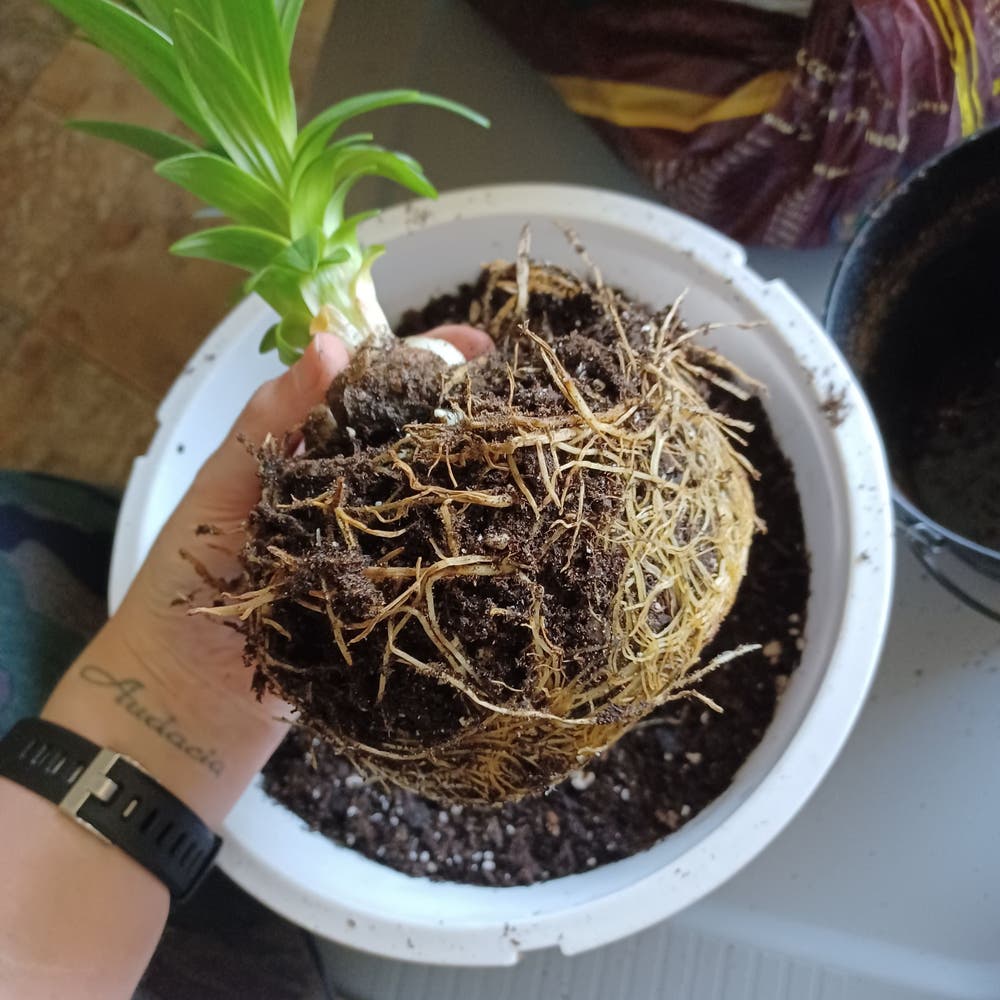
Asiatic Tiger Lilies have a fascinating ability to reproduce through bulb division. This means they can spread and thrive even without flowering, making them a resilient choice for any garden.
Their striking foliage remains ornamental even when the flowers fade. This lush greenery adds beauty to your landscape year-round.
🤔 Trivia About Reproductive Strategies
These lilies thrive in various soil types, showcasing their adaptability. Whether your garden has sandy, clay, or loamy soil, these plants can flourish.
Additionally, the plant's life cycle includes a dormant phase in winter. During this time, it conserves energy, preparing for a vibrant return in the next blooming season.
With these unique characteristics, Asiatic Tiger Lilies not only brighten your garden but also demonstrate remarkable resilience and adaptability. As we explore post-flowering care, you'll discover how to maintain their health for future blooms.
⚠️ Safety First
This content is for general information and may contain errors, omissions, or outdated details. It is not medical, veterinary advice, or an endorsement of therapeutic claims.
Always consult a qualified healthcare professional before using any plant as food, medicine, or supplement.
Never eat any plant (or feed one to pets) without confirming its identity with at least two trusted sources.
If you suspect poisoning, call Poison Control (800) 222-1222, the Pet Poison Helpline (800) 213-6680, or your local emergency service immediately.
Spotted an error? Please report it here.
Unlock a vibrant bloom 🌸 for your Asiatic Tiger Lily with Greg's tailored care tips and reminders, ensuring your garden dazzles year after year!