10 Easy Ways to Pollinate Asiatic Tiger Lily 🐝
Lilium lancifolium
By the Greg Editorial Team
Oct 10, 2024•6 min read
This article was created with the help of AI so we can cover more plants for you. May contain errors. See one? Report it here.
Unlock the secrets of the Asiatic Tiger Lily's structure to enhance pollination and nurture a thriving garden! 🌼
- 🌼 Asiatic Tiger Lilies attract pollinators with vibrant colors and sweet nectar.
- 🐝 Cross-pollination boosts resilience, enhancing genetic diversity for healthier plants.
- ✋ Hand pollination is easy—just transfer pollen with a brush for better seed production.
Flower Structure
Description of Flower Anatomy 🌸
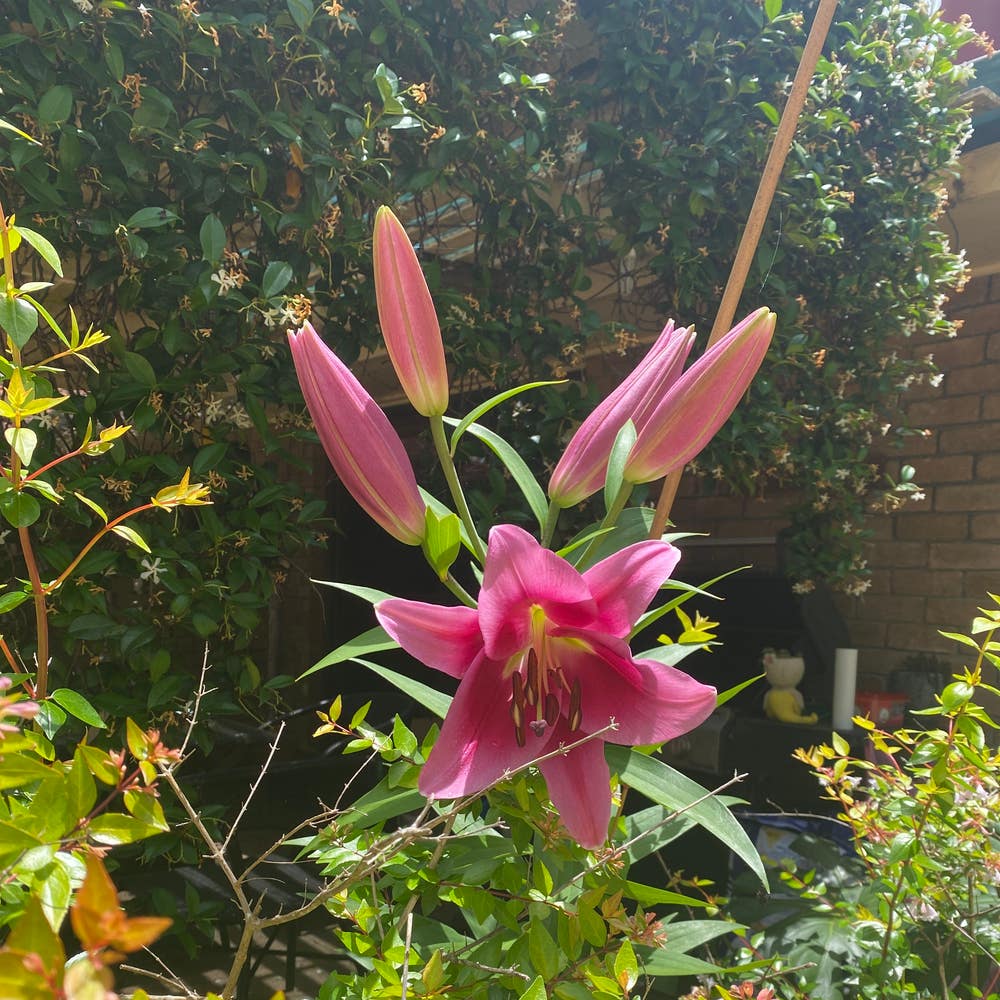
The Asiatic Tiger Lily boasts stunning trumpet-shaped petals in vibrant hues of orange, yellow, and red, often adorned with striking spots. These eye-catching colors not only please the eye but also serve a crucial role in attracting pollinators.
The green sepals act as protective leaf-like structures, safeguarding the flower bud until it’s ready to bloom. At the heart of the flower, you'll find the stamens—typically six long, protruding structures that produce pollen, essential for reproduction.
Role in Pollination 🐝
The arrangement of stamens and pistils is a marvel of nature, facilitating self-pollination. This means that pollen can easily transfer from the anther to the stigma within the same flower, ensuring seed production even without external help.
However, the flower's design also invites cross-pollination. Its vibrant colors and sweet nectar attract a variety of pollinators, increasing the chances of pollen transfer between different Asiatic Tiger Lilies. This dual capability enhances genetic diversity, making the species more resilient.
With a solid understanding of the flower's anatomy and its role in pollination, we can now explore the fascinating processes that follow.
Pollination Process
Self-Pollination vs. Cross-Pollination 🌼
Self-pollination in the Asiatic Tiger Lily is a fascinating process. The flower's structure allows pollen to transfer from the anthers to the stigma within the same bloom, enabling seed production even without external pollinators.
However, cross-pollination offers significant advantages. It enhances genetic diversity, and primary pollinators like bees, butterflies, moths, and hummingbirds play a crucial role in this process by transferring pollen between different flowers.
Attraction Mechanisms for Pollinators 🐝
Bright colors and sweet nectar are the main attractions for pollinators. The vibrant hues of the Asiatic Tiger Lily not only catch the eye but also signal to pollinators that a rewarding meal awaits.
Timing is equally important. The flowering period aligns with peak pollinator activity, ensuring that the flowers are open and ready for visits when pollinators are most active. This synchronization boosts the chances of successful pollination.
As we explore the next section, we'll delve into the natural mechanisms that facilitate pollen transfer and the vital role they play in the plant's reproduction.
Natural Pollination
🌼 Pollen Transfer Mechanisms
Pollinators play a crucial role in the life cycle of the Asiatic Tiger Lily. When bees, butterflies, or hummingbirds land on the vibrant petals, they are drawn to the sweet nectar, which often leads to unintentional pollen transfer.
As these creatures move from flower to flower, they brush against the stamens, picking up pollen. This interaction not only nourishes the pollinators but also facilitates the essential process of pollination.
Wind and gravity can also contribute to pollen dispersal, albeit to a lesser extent. While these factors are less reliable, they can still aid in spreading pollen across nearby flowers, enhancing genetic diversity.
🌱 Importance for Reproduction and Genetic Diversity
Successful pollination is vital for seed formation in Asiatic Tiger Lilies. Each seed produced represents a new opportunity for growth and continuation of the species.
Moreover, cross-pollination fosters genetic variation, which is essential for resilience against diseases and environmental changes. This diversity strengthens the population, ensuring that these beautiful flowers can thrive in various conditions.
In essence, the natural pollination process not only sustains the life of the Asiatic Tiger Lily but also enriches its genetic pool, paving the way for a robust future.
Next, we'll explore the fascinating world of hand pollination and how you can assist in this process.
Hand Pollination ((difficulty:moderate))
Step-by-Step Instructions 🌼
Hand pollination can be a rewarding way to ensure your Asiatic Tiger Lilies thrive. Follow these simple steps for success.
Identify Male and Female Flower Parts:
Start by locating the stamens, which are the male parts, and the pistil, the female part, within the flower. This is crucial for effective pollination.Collecting Pollen:
Use a small brush or cotton swab to gently collect pollen from the anthers. Be gentle to avoid damaging the delicate flower structures.Transferring Pollen:
Carefully apply the collected pollen to the stigma of the same flower or another one. This step is vital for fertilization to occur.Timing for Successful Fertilization:
Aim to perform this process in the morning when flowers are fully open and receptive. This timing maximizes your chances of successful pollination.
Hand pollination not only boosts seed production but also allows you to engage more deeply with your garden. By taking these steps, you contribute to the beauty and resilience of your Asiatic Tiger Lilies.
Next, let’s explore how to create a pollinator-friendly environment that supports these stunning flowers.
Supporting Pollinators
🌼 Creating a Pollinator-Friendly Environment
To support pollinators, start by planting a variety of flowering plants. This diversity provides essential nectar and habitat, attracting a range of beneficial insects.
Avoid using pesticides that can harm these vital creatures. Instead, opt for organic methods to keep your garden thriving and safe for pollinators.
🌿 Suggested Companion Plants
Including companion plants can enhance your garden's appeal to pollinators. Here are some excellent choices:
- Lavender: Its fragrant blooms are irresistible to bees and butterflies.
- Coneflower: This hardy plant offers a rich source of nectar and attracts various pollinators.
- Bee Balm: Known for its vibrant colors, it draws in hummingbirds and bees alike.
By incorporating these plants, you create a welcoming environment that encourages pollinator activity.
In the next section, we’ll explore the challenges pollinators face and how to overcome them.
Pollination Challenges
Common Obstacles 🌧️
Pollination success can be significantly impacted by environmental factors. Temperature fluctuations, high humidity, and adverse weather conditions can deter pollinators and disrupt the delicate process of pollen transfer.
Additionally, a decline in pollinator activity poses a serious challenge. Habitat loss, pesticide use, and urbanization contribute to fewer bees, butterflies, and other essential pollinators visiting Asiatic Tiger Lilies.
Solutions for Overcoming Challenges 🌼
To enhance pollinator presence, consider creating diverse habitats. Planting a variety of flowering plants can provide essential nectar sources and shelter for beneficial insects.
Timing your plantings to align with peak pollinator activity is also crucial. This ensures that your Asiatic Tiger Lilies bloom when pollinators are most active, maximizing the chances of successful pollination.
Adjusting care practices based on environmental conditions can further support pollination. For instance, providing adequate water during dry spells can help maintain healthy plants that attract pollinators.
By addressing these challenges, you can foster a thriving environment for both your lilies and the pollinators they depend on. This not only enhances the beauty of your garden but also contributes to the overall health of the ecosystem.
⚠️ Safety First
This content is for general information and may contain errors, omissions, or outdated details. It is not medical, veterinary advice, or an endorsement of therapeutic claims.
Always consult a qualified healthcare professional before using any plant as food, medicine, or supplement.
Never eat any plant (or feed one to pets) without confirming its identity with at least two trusted sources.
If you suspect poisoning, call Poison Control (800) 222-1222, the Pet Poison Helpline (800) 213-6680, or your local emergency service immediately.
Spotted an error? Please report it here.
Boost your Asiatic Tiger Lily's beauty and resilience 🌼 by using Greg's tailored care tips to create a pollinator-friendly garden that thrives with vibrant blooms and buzzing friends!