How to Fix Leaves Falling Over on Your Asiatic Tiger Lily 🐅
Lilium lancifolium
By the Greg Editorial Team
Oct 10, 2024•6 min read
This article was created with the help of AI so we can cover more plants for you. May contain errors. See one? Report it here.
Transform your Asiatic Tiger Lily's health 🌱 by learning to diagnose and treat common leaf issues effectively!
- 💧 Overwatering causes yellow leaves and root rot; let soil dry between waterings.
- 🌱 Nutrient deficiencies lead to stunted growth; use balanced NPK fertilizer for health.
- 🐛 Pests like aphids and spider mites can damage leaves; inspect regularly for infestations.
Causes of Leaves Falling Over
💧 Overwatering and Its Effects
Overwatering is a common issue that can lead to serious problems for your Asiatic Tiger Lily. Symptoms include yellowing leaves and mushy stems, with soil that remains consistently wet or waterlogged.
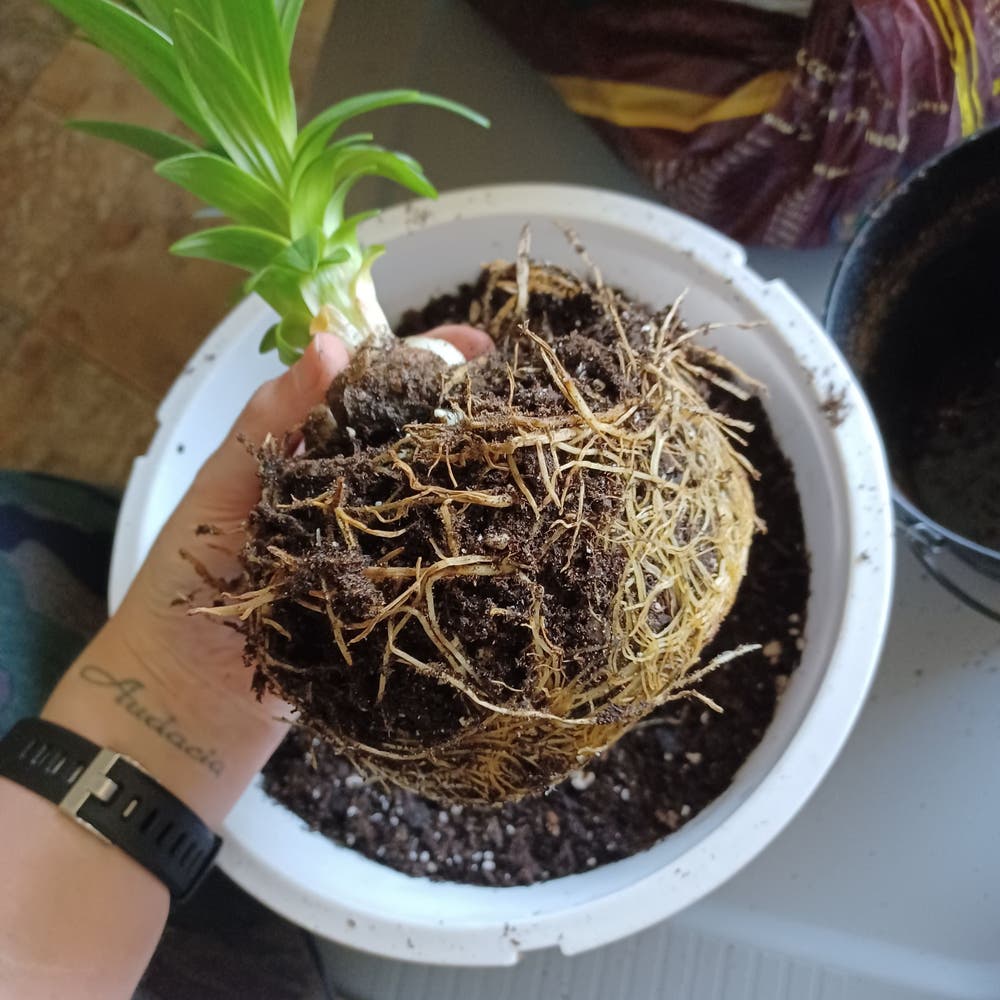
This excess moisture can cause root rot, severely reducing the plant's ability to uptake nutrients. Consequently, the plant becomes more susceptible to diseases, making it crucial to monitor watering habits closely.
🥦 Nutrient Deficiencies
Nitrogen Deficiency
A nitrogen deficiency manifests as yellowing of older leaves and stunted growth. Nitrogen is vital for leaf development, so ensuring your plant receives adequate amounts is essential for its health.
Potassium Deficiency
Potassium deficiency shows up as browning leaf edges and weak stems. This nutrient plays a significant role in overall plant vigor, making it important to address any deficiencies promptly.
🐛 Pest Infestations
Common Pests
Pests like aphids can wreak havoc on your Asiatic Tiger Lily. Signs of an infestation include sticky residue on leaves and curled foliage, which can significantly impact plant health.
Spider mites are another concern, often indicated by fine webbing and stippled leaves. These pests weaken the plant, making it crucial to identify and manage infestations early.
🍄 Fungal Diseases
Botrytis Blight
Botrytis blight is a fungal disease characterized by gray mold on leaves and stems. High humidity and poor air circulation create ideal conditions for this fungus to thrive, so maintaining proper environmental conditions is key.
🌬️ Environmental Stress
Heat and Wind
High temperatures can adversely affect leaf health, causing leaves to droop. Wind damage is another factor, leading to drooping and breakage, which can be particularly damaging to your plants.
Poor Light Conditions
Insufficient light results in leggy growth and drooping leaves. Ensuring your Asiatic Tiger Lily receives adequate sunlight is essential for maintaining its overall health and vigor.
Understanding these causes is the first step in addressing the issue of falling leaves. By identifying the underlying problems, you can take effective action to restore your plant's health.
Diagnosis and Observation
🌊 Signs of Overwatering vs. Underwatering
Identifying whether your Asiatic Tiger Lily is overwatered or underwatered is crucial for its health. Overwatering typically presents as yellow leaves and soggy soil, while underwatering leads to wilting and dry soil.
🐛 Identifying Pest Damage
Regular visual inspections can help catch pest infestations early. Look for signs like webbing from spider mites or sticky residue left by aphids.
🍃 Recognizing Nutrient Deficiency Symptoms
Nutrient deficiencies can manifest in various ways. For instance, nitrogen deficiency often shows as yellowing older leaves, while potassium deficiency results in browning leaf edges.
🌡️ Observing Environmental Conditions
Keep an eye on temperature and humidity levels to ensure your plant thrives. Additionally, assess light exposure and wind conditions, as these factors can significantly impact leaf health.
By staying vigilant and observing these signs, you can take proactive steps to maintain the vitality of your Asiatic Tiger Lily. Next, we’ll explore effective solutions and treatments to address these issues.
Solutions and Treatments
🌊 Adjusting Watering Practices
Proper watering is crucial for the health of your Asiatic Tiger Lily. Aim to water deeply but infrequently, allowing the top inch of soil to dry out between waterings.
To check soil moisture, use your finger or a moisture meter. If the soil feels dry at your fingertip, it’s time to water.
🌱 Fertilization Techniques
Fertilizing your lilies can significantly enhance their growth. Use a balanced NPK fertilizer, which provides essential nutrients for robust leaf development.
Apply fertilizer in early spring and again in mid-summer for optimal results. This timing helps support the plant during its active growth phases.
🐞 Pest Control Methods
Organic Methods
For pest control, consider organic options first. Neem oil and insecticidal soap are effective against common pests without harming beneficial insects.
Encouraging beneficial insects like ladybugs and lacewings can also help keep pest populations in check. These natural predators are great allies in your garden.
Chemical Methods
If pests persist, chemical pesticides may be necessary. Use them as a last resort and follow the manufacturer's instructions carefully.
Always prioritize safety by wearing protective gear and applying pesticides during calm weather to minimize drift.
🍄 Treatment for Fungal Infections
Identifying fungal infections early is key to effective treatment. Look for gray mold or other unusual growths on leaves and stems.
Once identified, apply recommended fungicides according to the label instructions. Ensure even coverage for the best results.
🏗️ Providing Physical Support for Drooping Plants
Sometimes, your lilies may need a little extra support. Using stakes or cages can help keep drooping plants upright.
When installing supports, be gentle to avoid damaging the stems. Proper installation will ensure your plants thrive without the risk of breakage.
With these solutions and treatments, your Asiatic Tiger Lily will be on its way to recovery. Next, let’s explore preventative measures to keep your plants healthy and vibrant.
Preventative Measures
Best Soil Types and Drainage Practices 🌱
Using a well-draining loam is crucial for your Asiatic Tiger Lily. This soil mix allows excess water to escape, preventing root rot and promoting healthy growth.
Don't forget to ensure your pots have drainage holes. These holes are essential for allowing excess moisture to escape, keeping your plant's roots happy and healthy.
Seasonal Care Tips to Prevent Stress ☀️
Adjusting your care routine with the changing seasons can make a significant difference. For instance, during hotter months, you may need to increase watering frequency to keep your lilies hydrated.
Mulching is another effective strategy. It helps retain moisture in the soil, reducing the need for frequent watering and protecting roots from temperature fluctuations.
Regular Monitoring and Maintenance Routines 🔍
Make it a habit to check your plants weekly for pests and diseases. Early detection can save your lilies from serious damage.
Timely interventions are key. If you notice any issues, addressing them promptly can prevent minor problems from escalating into major ones.
Choosing the Right Planting Location 📍
Consider factors like sunlight, wind exposure, and soil type when selecting a planting location. Your lilies thrive in well-lit areas, but too much direct sunlight can be harmful.
Ideal locations provide a balance of sunlight and protection from harsh winds. This ensures your Asiatic Tiger Lilies grow strong and upright, reducing the chances of leaves falling over.
By implementing these preventative measures, you can create a thriving environment for your Asiatic Tiger Lily. Next, let’s explore how to diagnose any issues that may arise.
⚠️ Safety First
This content is for general information and may contain errors, omissions, or outdated details. It is not medical, veterinary advice, or an endorsement of therapeutic claims.
Always consult a qualified healthcare professional before using any plant as food, medicine, or supplement.
Never eat any plant (or feed one to pets) without confirming its identity with at least two trusted sources.
If you suspect poisoning, call Poison Control (800) 222-1222, the Pet Poison Helpline (800) 213-6680, or your local emergency service immediately.
Spotted an error? Please report it here.
Keep your Asiatic Tiger Lily thriving 🌼 by using Greg's tailored care tips and reminders to master watering, nutrients, and pest control for a flourishing plant!