🐅 How to Fix Root Rot in Your Asiatic Tiger Lily
Lilium lancifolium
By the Greg Editorial Team
Oct 10, 2024•6 min read
This article was created with the help of AI so we can cover more plants for you. May contain errors. See one? Report it here.
Transform your gardening skills 🌱 and save your Asiatic Tiger Lily from root rot with these essential recovery tips!
- 🌱 Identify root rot by checking for blackened or mushy roots; healthy roots are firm.
- 🧼 Clean roots thoroughly with water before repotting to eliminate pathogens and soil.
- 🌿 Use well-draining soil and pots with drainage holes to prevent future root rot.
Treating Root Rot
Step-by-step Treatment Process 🌱
Remove the plant from the soil: Gently lift the bulb to avoid further damage. This initial step is crucial for assessing the extent of the root rot.
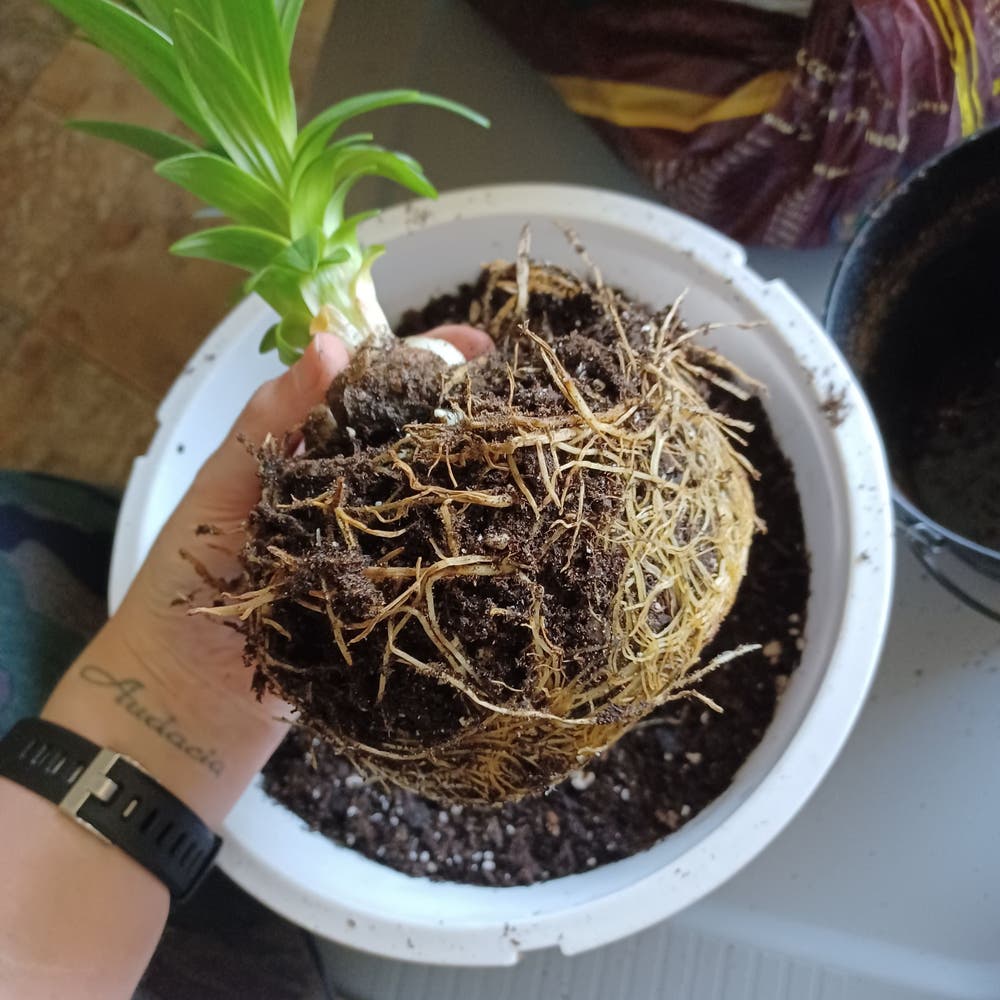
Inspect the roots: Identify and trim away blackened or mushy sections. Healthy roots should be firm and white, so don’t hesitate to cut away the bad parts.
Clean the remaining roots: Rinse with water to remove soil and pathogens. This helps eliminate any lingering issues that could lead to further rot.
Allow the bulb to dry: Place it in a cool, dry area for a few hours. This drying period is essential to prevent future rot when repotted.
Prepare new soil: Use a well-draining mix suitable for bulbs. A good mix will help ensure that excess moisture can escape, keeping your plant healthy.
Recommended Fungicides or Treatments 🧪
Copper-based fungicides: These are effective against fungal infections and can be a reliable choice for treating root rot.
Biological fungicides: These contain beneficial microbes that outcompete pathogens, providing a natural defense for your plant.
Homemade remedies: A diluted hydrogen peroxide solution can serve as an effective root disinfectant. It’s a simple and accessible option for many gardeners.
How to Repot an Affected Plant 🌼
Choose a pot with drainage holes: This ensures excess water can escape, preventing future issues.
Fill with fresh, well-draining soil: A mix of peat, perlite, and compost works wonders for bulb health.
Position the bulb: Plant at the same depth as before, ensuring roots are covered. This helps the plant acclimate back into its new environment.
Water lightly: Moisten the soil without saturating it. This gentle approach encourages the bulb to settle in without overwhelming it.
By following these steps, you can effectively treat root rot in your Asiatic Tiger Lily and set it on the path to recovery. Next, let’s explore how to prevent root rot from occurring in the first place.
Preventing Root Rot
Best Watering Practices 🌊
To keep your Asiatic Tiger Lily thriving, focus on watering frequency. Allow the top inch of soil to dry out before giving it a drink.
Utilize techniques like a soaker hose or drip irrigation. These methods minimize water on the foliage, reducing the risk of fungal growth.
Watering in the morning is ideal. This timing helps reduce evaporation and keeps your plant healthy.
Importance of Soil Drainage 🕳️
Choosing pots with adequate drainage is crucial. Proper drainage prevents water accumulation, which is a primary cause of root rot.
Amend your soil by adding perlite or sand. This improves aeration, allowing roots to breathe and thrive.
Regularly check for drainage blockages. Ensuring that your pots and garden beds drain well is essential for plant health.
Choosing the Right Soil Mix 🌱
For optimal growth, aim for a soil composition of 50% potting soil, 30% perlite, and 20% compost. This mix provides the right balance of nutrients and drainage.
Maintain a pH level between 6.0 and 7.0. This slightly acidic to neutral range is perfect for Asiatic Tiger Lilies.
Avoid heavy soils like clay. These retain too much moisture, increasing the risk of root rot.
By implementing these preventive measures, you can significantly reduce the chances of root rot in your Asiatic Tiger Lily. Next, let’s explore how to monitor your plant’s health effectively.
Monitoring Plant Health
🌱 Signs of Recovery
After addressing root rot, keep an eye out for signs of recovery. Look for new growth, such as healthy leaves and shoots emerging from the bulb.
Firm, white roots are another positive indicator, signaling that your Asiatic Tiger Lily is regaining vitality. Additionally, watch for improved color; vibrant green leaves are a good sign that your plant is bouncing back.
🛠️ Regular Care Tips to Avoid Root Rot
To prevent future issues, adjust your watering practices seasonally. In cooler months, reduce watering frequency to avoid over-saturation.
Fertilization is also crucial; use a balanced fertilizer during active growth to strengthen the roots. Regular inspections will help you catch any signs of stress or disease early on.
🍂 Seasonal Considerations for Asiatic Tiger Lily
In spring, monitor for new growth and adjust your watering accordingly. This is a critical time for your plant as it wakes from dormancy.
During summer, ensure your Asiatic Tiger Lily receives adequate moisture without overwatering. As fall approaches, prepare for dormancy by gradually reducing watering frequency.
By staying attentive to these signs and seasonal needs, you can help your Asiatic Tiger Lily thrive and avoid the pitfalls of root rot. Next, let’s explore common misconceptions about root rot and clarify some care practices.
Common Misconceptions
Myths About Root Rot 🥴
Many gardeners believe that "root rot only happens in wet climates." This is misleading; root rot can occur in any environment where drainage is poor.
Another common myth is that "all plants can recover from root rot." Unfortunately, some plants may not survive severe damage, making early intervention crucial.
Clarifying Care Practices 🧑🌾
Proper watering is essential, but it's not just about how often you water. The technique you use can significantly impact your plant's health.
Additionally, understanding soil types is vital. Not all soils are suitable for Asiatic Tiger Lilies, so choosing the right mix can make all the difference in preventing root rot.
By debunking these myths and clarifying care practices, you can better equip yourself to nurture your Asiatic Tiger Lily and keep it thriving. Now, let’s explore the tools and products that can aid in diagnosis and treatment.
Tools and Products
Recommended Tools for Diagnosis and Treatment 🌿
To effectively tackle root rot in your Asiatic Tiger Lily, having the right tools is essential.
Soil Moisture Meter: This handy device helps you accurately gauge soil moisture levels, ensuring you don’t overwater your plant.
Pruning Shears: A good pair of pruning shears allows for clean cuts on damaged roots, minimizing stress on the bulb during treatment.
Garden Trowel: This tool is perfect for repotting and mixing soil, making the process smoother and more efficient.
Best Soil and Drainage Products for Asiatic Tiger Lily 🌱
Choosing the right soil and drainage products can make a significant difference in your plant's health.
High-Quality Potting Mix: Opt for a mix specifically formulated for bulbs. This ensures your Asiatic Tiger Lily gets the nutrients it needs while promoting healthy growth.
Perlite or Vermiculite: These materials enhance drainage and aeration, preventing water from pooling around the roots.
Drainage Trays: Use these to catch excess water and prevent root saturation, which is crucial for avoiding root rot.
With the right tools and products, you can set your Asiatic Tiger Lily up for success. Transitioning to proper care practices will further enhance its resilience against root rot.
⚠️ Safety First
This content is for general information and may contain errors, omissions, or outdated details. It is not medical, veterinary advice, or an endorsement of therapeutic claims.
Always consult a qualified healthcare professional before using any plant as food, medicine, or supplement.
Never eat any plant (or feed one to pets) without confirming its identity with at least two trusted sources.
If you suspect poisoning, call Poison Control (800) 222-1222, the Pet Poison Helpline (800) 213-6680, or your local emergency service immediately.
Spotted an error? Please report it here.
Revive your Asiatic Tiger Lily from root rot with these essential tips, and let Greg's custom care reminders 🌿 guide you to keep your plants thriving!