🐅 Asiatic Tiger Lily Is Not an Annual
Lilium lancifolium
By the Greg Editorial Team
Oct 10, 2024•2 min read
This article was created with the help of AI so we can cover more plants for you. May contain errors. See one? Report it here.
Elevate your garden's beauty 🌼 with the resilient Asiatic Tiger Lily, a perennial that thrives season after season!
- 🌼 Asiatic Tiger Lilies are perennials, returning year after year with vibrant blooms.
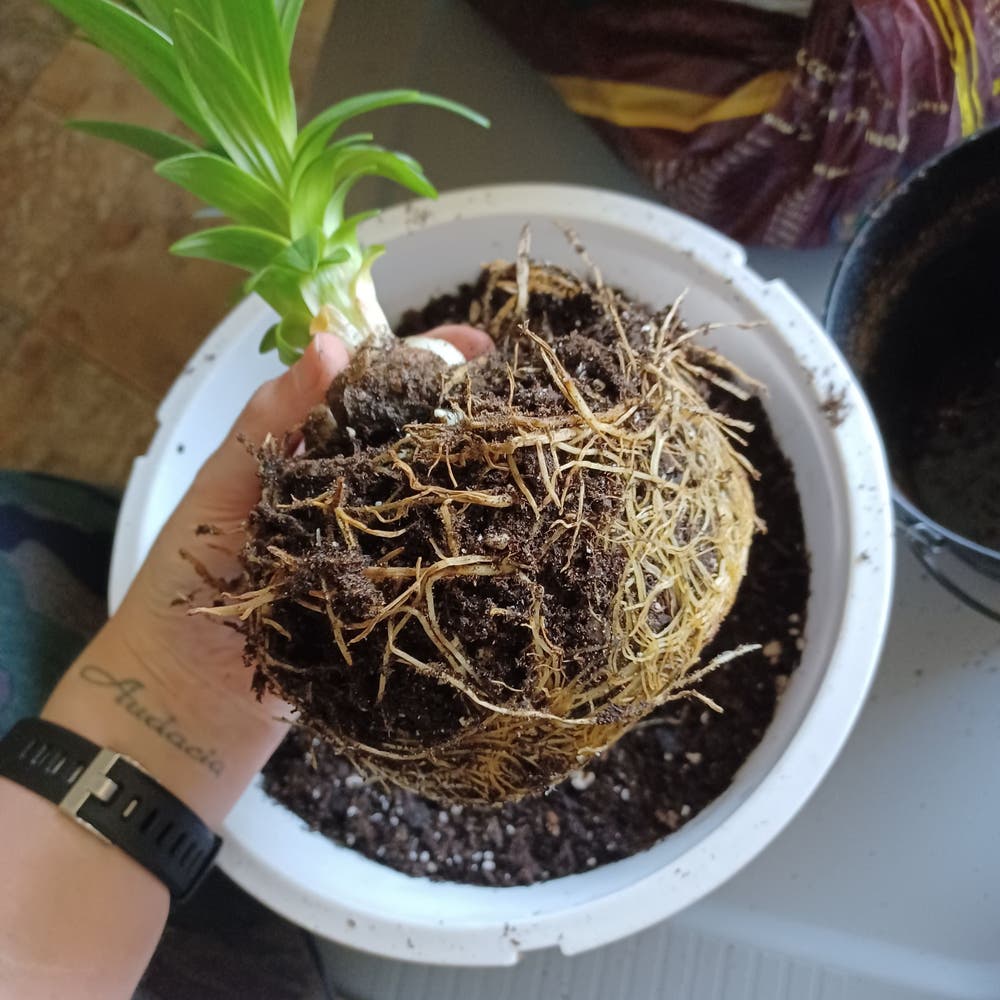
- 🌱 Their bulbous roots store energy, ensuring robust regrowth each season.
- 🐝 These lilies attract pollinators, enhancing biodiversity and garden health.
Asiatic Tiger Lily as a Perennial
🌱 Genetic and Physiological Characteristics
Asiatic Tiger Lilies are remarkable for their hardy traits, allowing them to thrive in various climates. Their bulbous roots store energy, ensuring robust regrowth each season.
This unique genetic makeup equips them with traits that support long-term survival. These characteristics make them a resilient choice for any garden.
🌼 Long-Term Lifecycle and Growth Patterns
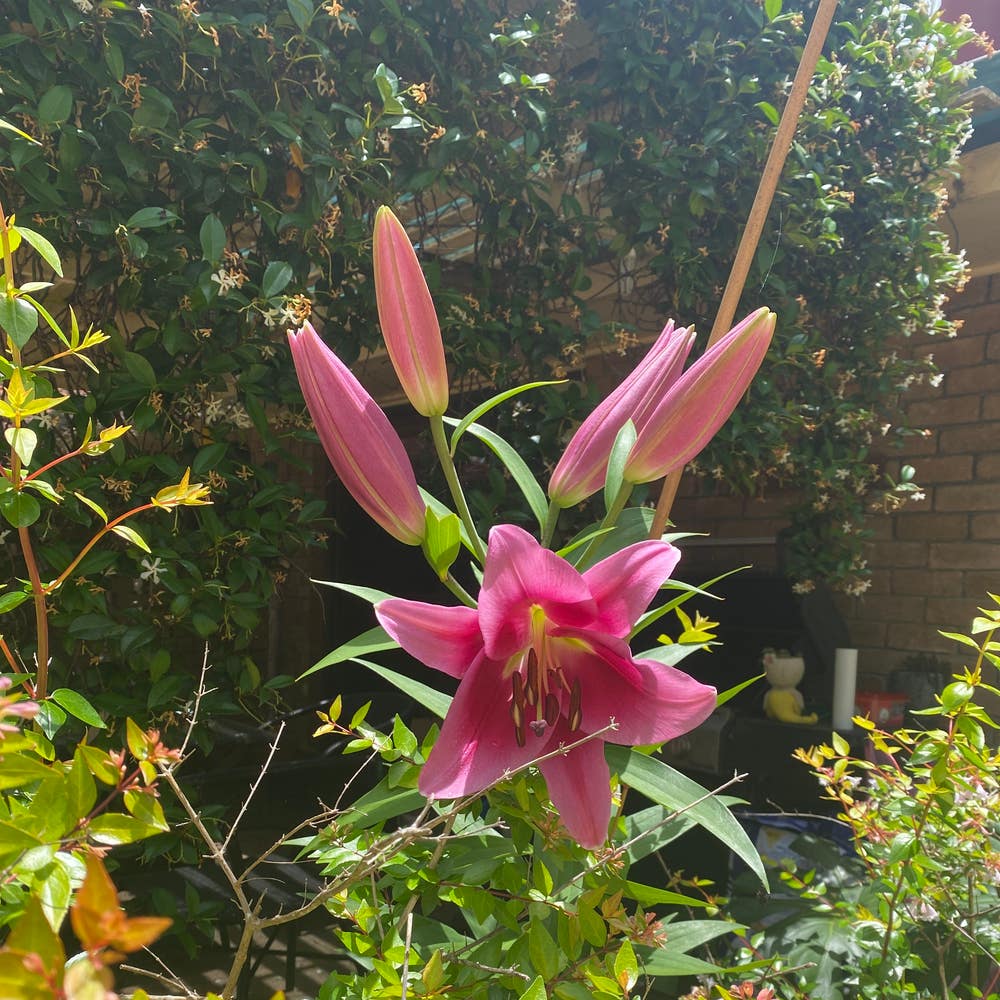
The growth cycle of the Asiatic Tiger Lily begins with emergence in spring, leading to vibrant blooms by mid-summer. Typically, these plants reach heights of 3-4 feet, showcasing multiple stunning flowers.
During winter, they enter a seasonal dormancy, resting until they resume growth in spring. This cyclical pattern is essential for their longevity.
🌸 Reproductive Strategies
While seed production does occur, it is less frequent than bulb propagation. Bulb propagation serves as the primary method for survival and spread, ensuring the plant's continued presence in gardens.
Additionally, Asiatic Tiger Lilies attract pollinators, enhancing their reproductive success. This symbiotic relationship is vital for their lifecycle.
📅 Lifecycle Comparison with Annuals
In contrast to annuals, which bloom continuously, Asiatic Tiger Lilies flower in mid-summer. Their growth patterns reflect a slower establishment, characteristic of perennials.
The lifespan of their blooms also differs, with a defined flowering season that adds to their charm. Understanding these differences is crucial for effective garden planning.
🏷️ Misconceptions and Garden Design Implications
Extreme weather impacts and mismanagement can lead to misconceptions, causing these perennials to be mistaken for annuals. Regional variations, influenced by climate and local gardening practices, further affect their classification.
In garden design, Asiatic Tiger Lilies offer advantages such as long-term investment, seasonal interest, and increased biodiversity. Integrating them into your landscape can enhance its beauty and ecological value.
🌿 Maximizing Longevity
To manage Asiatic Tiger Lilies effectively as perennials, focus on soil requirements, a consistent watering schedule, and proper fertilization. These best practices are essential for their health and vibrancy.
For enhanced growth and flowering, consider pruning techniques, pest management, and seasonal care. These tips will help you cultivate a thriving garden filled with these stunning blooms.
As you explore the world of Asiatic Tiger Lilies, remember that their unique characteristics and growth patterns can transform your garden into a vibrant oasis. Next, we’ll delve into the reproductive strategies that ensure their survival and spread.
⚠️ Safety First
This content is for general information and may contain errors, omissions, or outdated details. It is not medical, veterinary advice, or an endorsement of therapeutic claims.
Always consult a qualified healthcare professional before using any plant as food, medicine, or supplement.
Never eat any plant (or feed one to pets) without confirming its identity with at least two trusted sources.
If you suspect poisoning, call Poison Control (800) 222-1222, the Pet Poison Helpline (800) 213-6680, or your local emergency service immediately.
Spotted an error? Please report it here.
Transform your garden with vibrant Asiatic Tiger Lilies 🌼 that return year after year, and let Greg provide tailored care reminders to keep your blooms thriving beautifully!