🐅 How to Cure Dropping Leaves on Your Asiatic Tiger Lily
Lilium lancifolium
By the Greg Editorial Team
Oct 10, 2024•7 min read
This article was created with the help of AI so we can cover more plants for you. May contain errors. See one? Report it here.
Keep your Asiatic Tiger Lilies thriving 🌱 by mastering the secrets to preventing and treating leaf drop effectively!
- 💧 Overwatering and underwatering both cause leaf drop in Asiatic Tiger Lilies.
- 🌱 Nutrient deficiencies like nitrogen and potassium lead to stunted growth and leaf loss.
- 🐛 Pests and diseases can severely impact your lilies; regular inspections are crucial.
Causes of Leaf Drop
💧 Overwatering and Root Rot
Overwatering is a common culprit behind leaf drop in Asiatic Tiger Lilies. Symptoms include yellowing leaves and wilting, even when the soil feels moist.
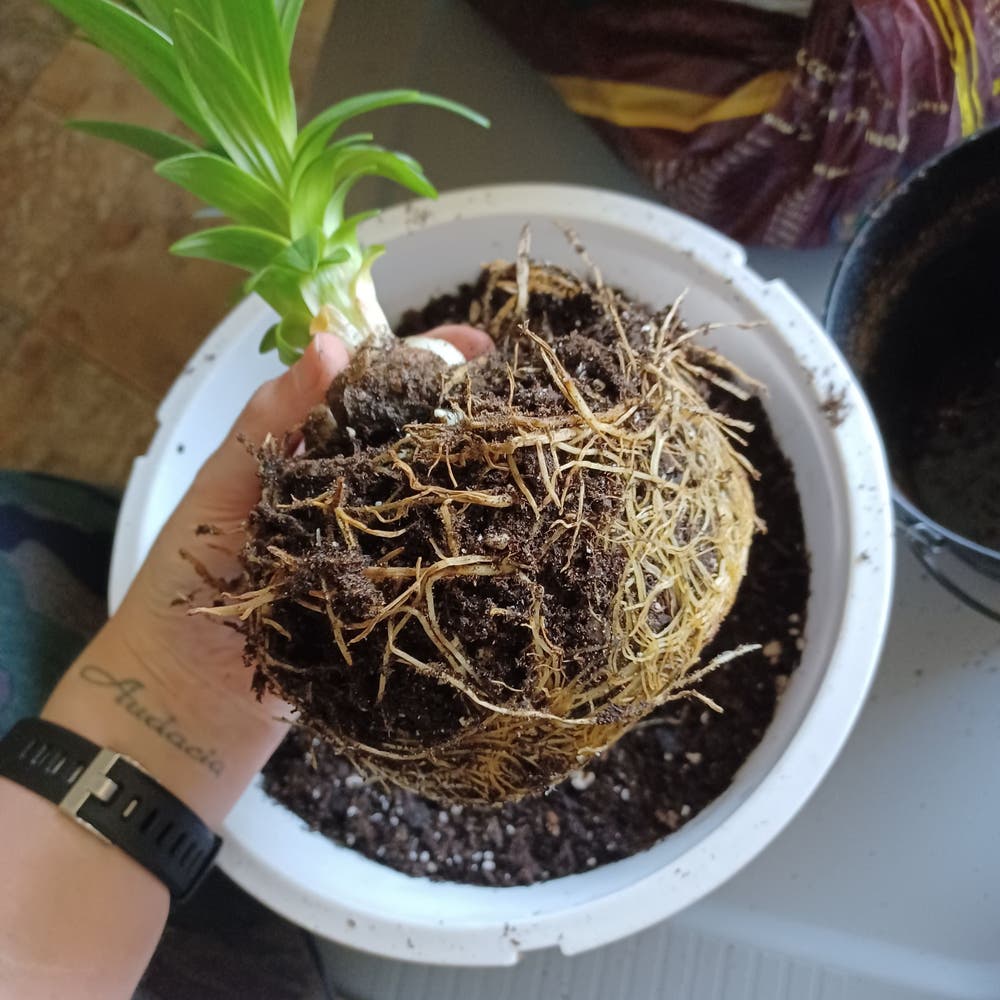
Inspecting the roots can reveal soft, mushy areas, indicating root rot. This condition arises from poor soil drainage and excess moisture, creating a breeding ground for fungal pathogens.
🚰 Underwatering and Drought Stress
On the flip side, underwatering can also lead to leaf drop. Signs include curling leaves and crispy edges, along with stunted growth and drooping foliage.
Drought stress reduces the plant's ability to uptake nutrients, which can ultimately result in leaf loss.
🥦 Nutrient Deficiencies
Nitrogen Deficiency
A lack of nitrogen manifests as pale green leaves and stunted growth. You may notice that the lower leaves start dropping prematurely.
Potassium Deficiency
Potassium deficiency presents with marginal leaf burn and yellowing between veins. This deficiency can also make your lilies more susceptible to diseases.
🐜 Pest Infestations
Common Pests
Aphids are notorious for leaving a sticky residue on leaves and causing distorted growth. Spider mites, on the other hand, create fine webbing and give leaves a speckled appearance.
🍄 Fungal Diseases
Botrytis Blight
Botrytis blight is characterized by gray mold on leaves and premature leaf drop. This fungal disease thrives in high humidity and poor air circulation, making it essential to monitor your plant's environment.
🌡️ Environmental Stress
Temperature fluctuations can shock your Asiatic Tiger Lily, leading to unexpected leaf drop. Additionally, low humidity levels can exacerbate stress symptoms, making it crucial to maintain a stable environment for your plants.
Understanding these causes is the first step toward effective treatment and prevention. Next, we’ll explore how to diagnose these leaf drop issues accurately.
Diagnosing Leaf Drop Issues
🌊 Identifying Symptoms of Overwatering
To diagnose overwatering, start by checking for yellowing leaves. If the roots feel soft and mushy upon inspection, root rot may be developing.
Next, assess soil moisture levels using a moisture meter. This tool helps determine if the soil is too wet, which is crucial for preventing further damage.
💧 Recognizing Signs of Underwatering
Underwatered Asiatic Tiger Lilies often exhibit curled or crispy leaves. Stunted growth and drooping foliage are also telltale signs that your plant is thirsty.
To confirm, check the soil dryness at a depth of 2-3 inches. This will give you a clear indication of whether your plant needs a drink.
🐛 Checking for Pests and Diseases
Inspect the undersides of leaves and stems for pests like aphids or spider mites. These nuisances can lead to significant leaf drop if not addressed promptly.
Additionally, look for signs of fungal infections, such as mold. Early detection is key to managing these issues effectively.
🧪 Soil Testing for Nutrient Levels
Using a soil test kit can help you determine any nutrient deficiencies. This step is vital for ensuring your lilies receive the right balance of nutrients.
Recommended nutrient levels for optimal growth include adequate nitrogen, phosphorus, and potassium. Adjusting these can make a significant difference in your plant's health.
🌡️ Observing Environmental Conditions
Monitor temperature and humidity levels regularly. Sudden fluctuations can stress your lilies, leading to leaf drop.
Ensure your plants receive adequate sunlight exposure, ideally full sun to partial shade. This will help them thrive and reduce the risk of leaf drop.
By carefully diagnosing these issues, you can take the necessary steps to restore your Asiatic Tiger Lily's health. Next, let’s explore preventive measures to keep your plants thriving.
Preventive Measures
Proper Watering Techniques 🌊
To keep your Asiatic Tiger Lily thriving, it's crucial to master your watering routine. Allow the top 1-2 inches of soil to dry out between waterings to prevent overwatering.
Using well-draining soil is essential. This helps avoid waterlogging, which can lead to root rot and other issues.
Soil Selection and Drainage Improvement 🏞️
Choosing the right soil is vital for your plant's health. Opt for loamy, well-draining mixes that provide the necessary nutrients and aeration.
To enhance drainage, consider adding perlite or sand. These materials improve soil structure, allowing excess water to escape easily.
Fertilization Schedule 🗓️
A consistent fertilization schedule can make a world of difference. Aim to fertilize every 4-6 weeks during the growing season for optimal growth.
Balanced NPK fertilizers or specific lily fertilizers are excellent choices. They provide the essential nutrients your lilies need to flourish.
Pest Management Strategies 🐛
Regular inspections are key to catching pests early. Check your plants frequently to identify any signs of infestation before they escalate.
Companion planting can also be a game-changer. Certain plants naturally deter pests, creating a healthier environment for your lilies.
Seasonal Care Tips 🌦️
Seasonal adjustments can significantly impact your plant's health. Mulching helps retain soil moisture and regulate temperature, especially during extreme weather.
Be mindful of seasonal rainfall patterns. Adjust your watering schedule accordingly to ensure your lilies receive the right amount of moisture throughout the year.
By implementing these preventive measures, you can create a thriving environment for your Asiatic Tiger Lily, minimizing the risk of leaf drop and ensuring vibrant blooms. Next, let’s explore how to diagnose leaf drop issues effectively.
Treatment Solutions
🌱 How to Treat Root Rot
Root rot can be a serious issue for your Asiatic Tiger Lily. Start by carefully removing the affected plant from the soil.
Next, trim away any rotten roots using sterilized shears. This prevents the spread of pathogens. Finally, repot the plant in fresh, well-draining soil to promote healthy growth.
💧 Steps to Revive an Underwatered Lily
If your lily is underwatered, it’s time to take action. Soak the plant in water for about 30 minutes to rehydrate it effectively.
After soaking, gradually increase the watering frequency. Keep an eye on the plant over the next few weeks for signs of recovery.
🌿 Fertilizing to Correct Nutrient Deficiencies
Nutrient deficiencies can hinder your lily’s growth. Apply a balanced fertilizer based on your soil test results to address these deficiencies.
Make sure to follow up with a regular feeding schedule to maintain optimal nutrient levels.
🐞 Organic Pest Control Methods
Pests can wreak havoc on your lilies, but there are effective organic solutions. Introduce beneficial insects like ladybugs, which naturally control pest populations.
You can also use insecticidal soap or neem oil for pest management. These methods are safe and effective for maintaining plant health.
🦠 Fungicide Application for Fungal Infections
Fungal infections require prompt attention. First, identify the type of fungal infection affecting your lily.
Once identified, apply the appropriate fungicide according to the label instructions. This will help restore your plant’s health and prevent further issues.
By addressing these treatment solutions, you can ensure your Asiatic Tiger Lily thrives. Next, let’s explore how to monitor recovery progress effectively.
Post-Diagnosis Care
Monitoring Recovery Progress 🌱
After diagnosing the issue, keep a close eye on your Asiatic Tiger Lily. Regularly check for new growth and the overall health of the leaves.
Adjust your care routine based on how the plant responds to treatment. If you notice improvements, continue with your current regimen.
Adjusting Care Based on Plant Response 🔄
Be flexible with your watering and fertilization practices. Modify these based on the signs of recovery you observe.
If symptoms reappear, reassess your approach. It’s crucial to remain vigilant and responsive to your plant's needs.
Long-Term Care Strategies 🛠️
Establish a consistent care routine to support your lily's health. Regular watering, appropriate fertilization, and monitoring will help maintain its vigor.
Implement seasonal adjustments to accommodate environmental changes. This proactive approach will ensure your Asiatic Tiger Lily thrives year-round.
With these strategies in place, your plant will be on the path to recovery and long-term health. Next, let’s explore effective treatment solutions to address any lingering issues.
⚠️ Safety First
This content is for general information and may contain errors, omissions, or outdated details. It is not medical, veterinary advice, or an endorsement of therapeutic claims.
Always consult a qualified healthcare professional before using any plant as food, medicine, or supplement.
Never eat any plant (or feed one to pets) without confirming its identity with at least two trusted sources.
If you suspect poisoning, call Poison Control (800) 222-1222, the Pet Poison Helpline (800) 213-6680, or your local emergency service immediately.
Spotted an error? Please report it here.
Keep your Asiatic Tiger Lily thriving 🌱 by using Greg's tailored watering reminders and nutrient tracking to prevent leaf drop and ensure vibrant growth all season long!