🐅 Step-by-Step Guide for How to Plant Asiatic Tiger Lily
Lilium lancifolium
By the Greg Editorial Team
Oct 10, 2024•5 min read
This article was created with the help of AI so we can cover more plants for you. May contain errors. See one? Report it here.
Unlock vibrant blooms by mastering the choice between planting and transplanting Asiatic Tiger Lilies! 🌸🌱
- 🌱 Plant Asiatic Tiger Lilies in early spring for best results after frost.
- 💧 Ensure well-draining soil and consistent moisture for healthy growth.
- 🌞 Provide 6-8 hours of sunlight daily to promote vibrant blooms.
Planting vs. Transplanting Asiatic Tiger Lily
🧐 Key Considerations
When deciding between planting new bulbs or transplanting established Asiatic Tiger Lilies, cost is a significant factor. Purchasing bulbs can be more affordable, but dividing established plants can save you even more.
Time to maturity is another crucial aspect. New bulbs often bloom in their first season, while transplanted plants may take longer to re-establish but can bloom sooner if they’re already established.
Adaptability plays a role too. New bulbs might need some time to acclimate to their environment, whereas established plants are generally more likely to thrive right away.
Understanding these key considerations will help you make an informed choice that suits your gardening goals. Whether you opt for new bulbs or established plants, each method has its unique advantages that can lead to a stunning display of Asiatic Tiger Lilies in your garden.
Planting New Asiatic Tiger Lily
Optimal Timing for Planting 🌱
The best time to plant Asiatic Tiger Lilies is early spring, right after the last frost. Keep an eye on local climate variations and frost dates to ensure optimal growth.
Selecting Soil Mix and Containers 🪴
Asiatic Tiger Lilies thrive in well-draining soil with a slightly acidic to neutral pH, ideally between 6.0 and 7.0. A recommended soil mix includes equal parts garden soil, compost, and perlite for optimal drainage and nutrients.
For container gardening, select pots that have drainage holes and are at least 12 inches in diameter. This size allows enough room for the bulbs to grow and flourish.
Proper Depth and Spacing 📏
When planting, ensure the bulbs are placed 6-8 inches deep, measuring from the base of the bulb. Space them 12-18 inches apart to promote healthy growth and airflow.
Maintaining Ideal Growing Conditions 💧
Watering is crucial; keep the soil consistently moist but avoid waterlogging. A 2-3 inch layer of organic mulch will help retain moisture and suppress weeds.
Ensure your Asiatic Tiger Lilies receive 6-8 hours of direct sunlight daily for optimal growth. This exposure is key to vibrant blooms.
Hardening Off Process 🌤️
Acclimatizing seedlings to outdoor conditions is essential for their success. Gradually expose them to the outdoors over 7-10 days.
Start with just 1-2 hours of outdoor time, increasing it daily. This process helps the plants adjust and thrive in their new environment.
Transitioning to the next section, understanding how to transplant established Asiatic Tiger Lilies will further enhance your gardening skills.
Transplanting Established Asiatic Tiger Lily
🌱 Optimal Timing for Transplanting
Transplanting Asiatic Tiger Lilies is best done in early spring or fall when the plants are dormant. Always consider your local climate and frost dates to ensure the best results.
🛠️ Step-by-Step Instructions for Transplanting
Removing the Plant
- Water the plant thoroughly a day before you plan to transplant. This helps to keep the soil intact.
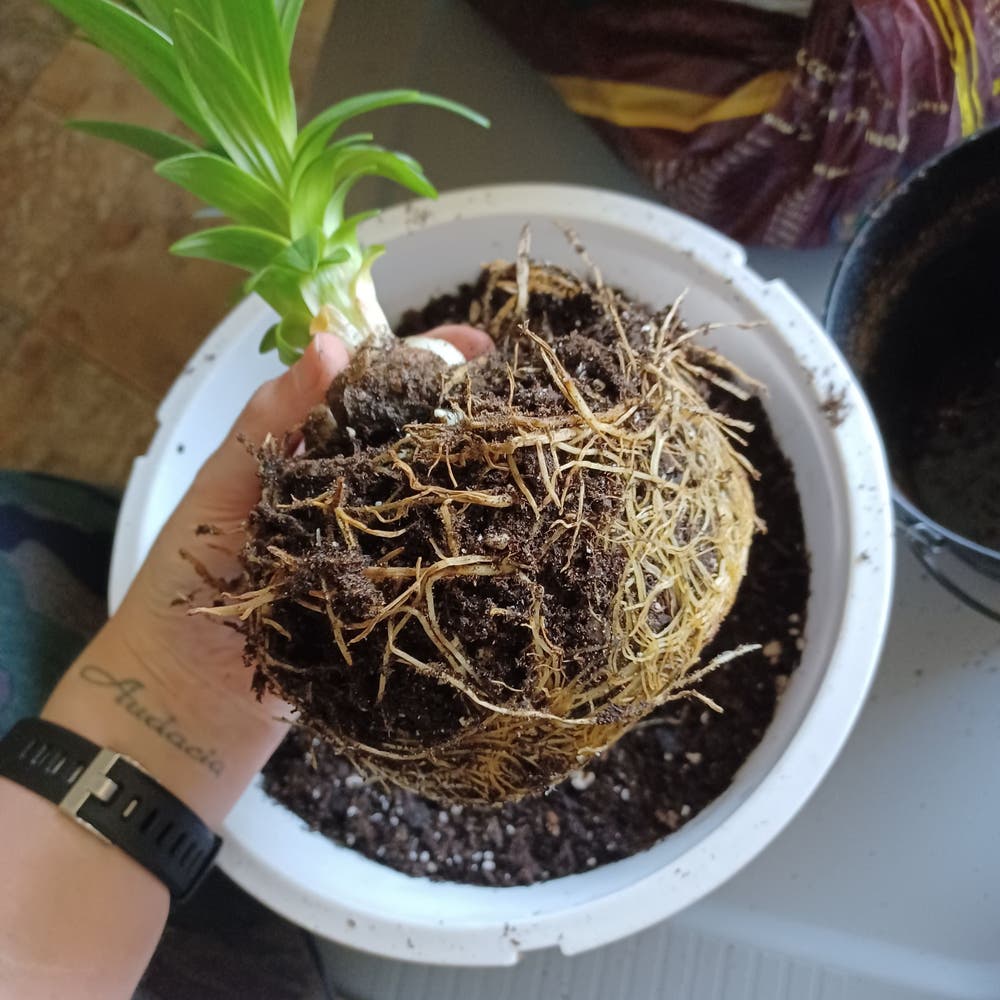
- Carefully dig around the bulb, making sure to maintain a solid root ball.
- Lift the plant gently to avoid damaging the roots, which are crucial for its recovery.
Preparing the New Site
- Choose a new location that offers similar sunlight and soil conditions to the original spot. This helps the plant adjust more easily.
- Amend the soil with compost if necessary to enrich it for the lily.
- Dig a hole that is twice the size of the root ball to give the plant ample space to grow.
Ensuring Proper Placement and Spacing
Place the bulb at the same depth it was previously growing to avoid shock. Maintain spacing of 12-18 inches apart to allow for healthy growth and airflow.
💧 Tips for Watering, Mulching, and Support
Water the plant immediately after transplanting to help settle the soil around the roots.
Apply a fresh layer of mulch to retain moisture and suppress weeds.
If you’re working with taller varieties, consider using stakes for support to keep them upright as they grow.
Transplanting can be a rewarding experience, leading to vibrant blooms in your garden. With the right timing and care, your Asiatic Tiger Lilies will flourish in their new home. Next, let’s explore how to troubleshoot common issues that may arise during this process.
Troubleshooting Common Issues
🌱 Transplant Shock
Transplant shock can be a real bummer for your Asiatic Tiger Lilies. Look out for symptoms like wilting, yellowing leaves, and stunted growth.
To prevent this, ensure you’re watering properly and providing the right care during the transition. A little attention goes a long way in helping your plants adjust.
🌿 Establishment Problems
If your lilies are showing signs of lack of growth or poor flowering, they might be struggling to establish themselves.
Check the soil moisture levels and consider amending the soil if necessary. Sometimes, a little tweak can make all the difference.
🐛 General Care Issues
Keep an eye out for common pests like aphids and lily beetles. Using insecticidal soap can help control these nuisances effectively.
For disease management, be cautious of fungal issues that often arise from overwatering. Ensuring proper drainage is key to keeping your lilies healthy and thriving.
With these troubleshooting tips, you can keep your Asiatic Tiger Lilies flourishing. Next, let’s explore how to maintain their vibrant beauty through regular care and attention.
⚠️ Safety First
This content is for general information and may contain errors, omissions, or outdated details. It is not medical, veterinary advice, or an endorsement of therapeutic claims.
Always consult a qualified healthcare professional before using any plant as food, medicine, or supplement.
Never eat any plant (or feed one to pets) without confirming its identity with at least two trusted sources.
If you suspect poisoning, call Poison Control (800) 222-1222, the Pet Poison Helpline (800) 213-6680, or your local emergency service immediately.
Spotted an error? Please report it here.
Plant your Asiatic Tiger Lilies with confidence 🌼 by using Greg's tailored care reminders to help them flourish beautifully in your garden!