🐅 How to Grow Asiatic Tiger Lily Outdoors
Lilium lancifolium
By the Greg Editorial Team
Oct 10, 2024•5 min read
This article was created with the help of AI so we can cover more plants for you. May contain errors. See one? Report it here.
Elevate your garden with vibrant Asiatic Tiger Lilies 🌼 by mastering essential planting and care tips! 🌱
- 🌞 Asiatic Tiger Lilies need 6+ hours of sunlight for optimal growth.
- 🌱 Choose container or ground planting based on space and maintenance preferences.
- 💧 Regular deep watering is essential, especially during dry spells, to prevent stress.
Planting Asiatic Tiger Lily
🌱 Choosing Between Container and Ground Planting
When deciding how to plant your Asiatic Tiger Lily, consider factors like space, aesthetics, and mobility. Each option has its unique advantages that can enhance your gardening experience.
🪴 Benefits and Drawbacks of Container Planting
Container planting offers significant benefits, such as mobility. You can easily move pots to capture optimal sunlight or protect them from harsh weather.
Additionally, containers provide a controlled environment, making it simpler to manage soil quality and watering schedules. However, this method has its drawbacks.
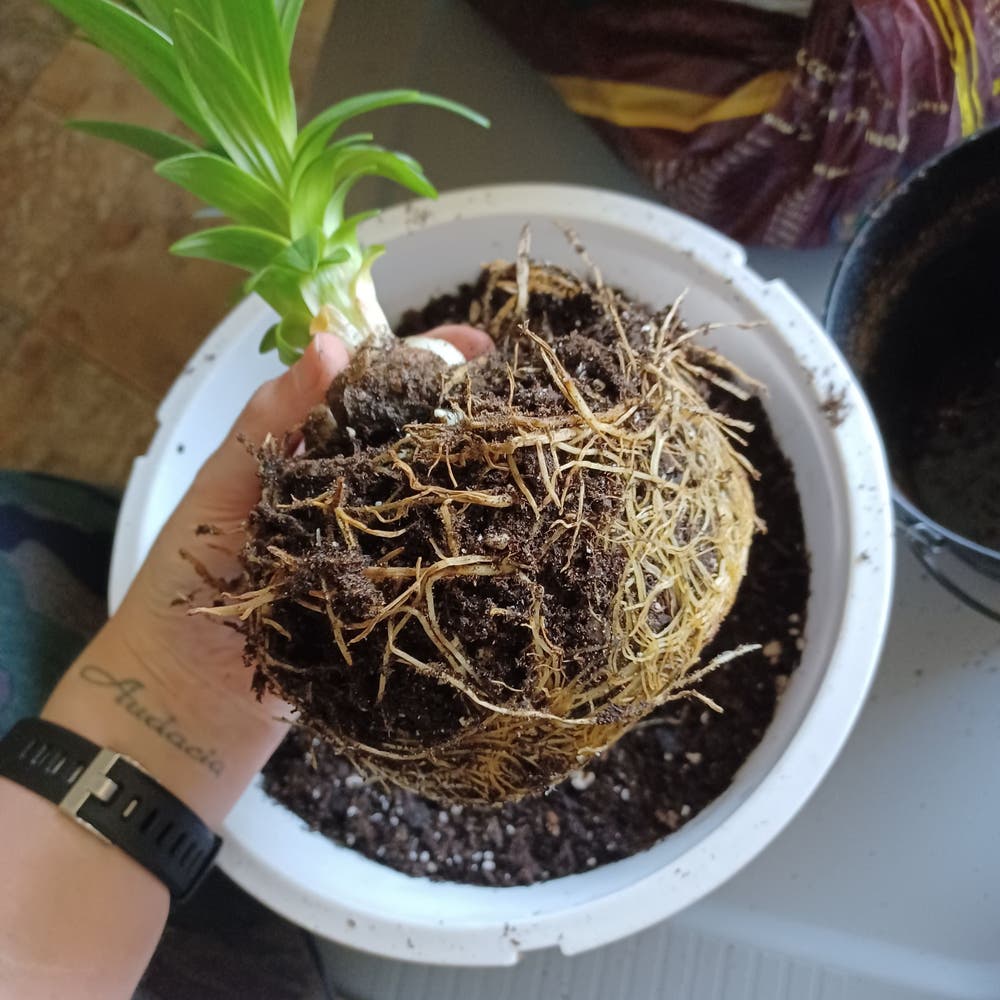
Limited root space means you may need to water and fertilize more frequently. Moreover, container roots are more susceptible to temperature fluctuations, risking overheating or freezing.
🌍 Benefits and Drawbacks of Ground Planting
Ground planting allows for natural growth, giving roots ample space to expand. This method generally requires less maintenance, as established plants often need less frequent watering.
On the flip side, ground planting offers less control over soil conditions and pest management. Once planted, relocating your lilies can be a challenge, making it crucial to choose the right spot from the start.
In summary, whether you opt for containers or ground planting, each method has its pros and cons. Consider your gardening goals and environment to make the best choice for your Asiatic Tiger Lily.
Care Requirements
Sunlight Needs 🌞
Asiatic Tiger Lilies thrive best in full sun to partial shade, requiring at least six hours of sunlight daily. Insufficient sunlight can lead to stunted growth and fewer blooms, so positioning them correctly is crucial.
Soil Preferences and Amendments 🌱
These lilies prefer well-drained soil with a slightly acidic to neutral pH, ideally between 6.0 and 7.0. To enhance drainage and fertility, consider amending the soil with organic matter like compost.
Watering Requirements and Techniques 💧
Regular watering is essential, especially during dry spells. Deep watering encourages robust root growth, while avoiding overhead watering helps prevent fungal diseases that can harm your plants.
Fertilization Schedule and Types 🌼
Fertilize your Asiatic Tiger Lilies in early spring and mid-summer for optimal growth. A balanced NPK fertilizer (10-10-10) or organic options like fish emulsion can provide the nutrients they need to flourish.
With proper care in sunlight, soil, watering, and fertilization, your Asiatic Tiger Lilies will thrive beautifully. Next, let’s explore how to protect them from environmental factors.
Protection from Environmental Factors
🌦️ Weather Protection Strategies
Mulching is a simple yet effective way to protect your Asiatic Tiger Lily. Apply a 2-3 inch layer of mulch to retain moisture and regulate soil temperature.
In addition, consider using temporary covers like frost cloths or row covers during unexpected cold snaps. This extra layer can shield your plants from harsh weather.
🐛 Common Outdoor Pests and Control Methods
Be vigilant about common pests that can threaten your lilies. Aphids, recognizable by curled leaves and sticky residue, and lily beetles, which are bright red and can quickly defoliate your plants, are two to watch for.
Control methods include handpicking pests off your plants and using organic insecticides like neem oil or insecticidal soap. These methods are effective and environmentally friendly.
🦠 Diseases and Prevention
Asiatic Tiger Lilies can fall victim to several diseases. Botrytis blight presents as gray mold on flowers and leaves, while Fusarium wilt causes yellowing and wilting of foliage.
To prevent these issues, ensure proper spacing between plants for good air circulation. Additionally, avoid overhead watering to reduce humidity around the foliage, which can lead to disease.
With these protective measures in place, your lilies will be better equipped to thrive in various conditions. Next, let’s explore how to care for your lilies throughout the seasons.
Seasonal Care
Spring Care and Planting Tips 🌱
Spring is the perfect time to plant your Asiatic Tiger Lilies. Aim to plant them after the last frost date to ensure healthy growth.
Prepare your soil by amending it with compost. This enriches the soil and sets a solid foundation for your lilies.
Summer Maintenance and Watering Adjustments ☀️
As temperatures rise, your watering frequency should increase. During hot, dry spells, ensure your lilies receive adequate moisture.
Don't forget to deadhead spent flowers. This simple task encourages more blooms and keeps your garden looking vibrant.
Fall Preparation for Winter Dormancy 🍂
As fall approaches, it's time to cut back your lilies. Trim the foliage after it turns yellow to prevent disease and promote healthy growth next season.
Adding a thicker layer of mulch is essential. This protects the roots from harsh winter conditions.
Winter Care and Protection Strategies ❄️
Insulating your plants is crucial during winter. Use straw or leaves to shield the base of your lilies from freezing temperatures.
If you’re growing in containers, move pots to a sheltered location. This prevents the roots from freezing and ensures your plants survive the winter.
With these seasonal care tips, your Asiatic Tiger Lilies will thrive year-round. Next, let’s explore how climate zones affect their growth and care.
Climate Zone Considerations
Best Climate Zones for Growing 🌍
Asiatic Tiger Lilies flourish in USDA zones 3-9, making them ideal for temperate climates. These zones provide the right balance of warmth and coolness for optimal growth.
Adjustments for Different Climate Conditions 🌡️
In hot climates, it's crucial to provide afternoon shade and increase watering to keep the plants hydrated. Conversely, in cold climates, ensure proper winter protection and good drainage to prevent root damage.
Special Considerations for Extreme Weather ⛈️
For areas prone to flooding, well-drained soil is essential to prevent root rot. During drought conditions, establish a regular watering schedule to keep your lilies thriving.
With these climate considerations in mind, you can create the perfect environment for your Asiatic Tiger Lilies to flourish. Next, let’s explore the seasonal care required to keep these vibrant flowers healthy throughout the year.
⚠️ Safety First
This content is for general information and may contain errors, omissions, or outdated details. It is not medical, veterinary advice, or an endorsement of therapeutic claims.
Always consult a qualified healthcare professional before using any plant as food, medicine, or supplement.
Never eat any plant (or feed one to pets) without confirming its identity with at least two trusted sources.
If you suspect poisoning, call Poison Control (800) 222-1222, the Pet Poison Helpline (800) 213-6680, or your local emergency service immediately.
Spotted an error? Please report it here.
Grow your Asiatic Tiger Lilies flourishingly 🌷 with Greg's tailored care reminders and expert tips, whether you choose containers for mobility or ground planting for natural growth!