Ultimate Guide to Soil for Asiatic Tiger Lily 🐅
Lilium lancifolium
By the Greg Editorial Team
Oct 10, 2024•5 min read
This article was created with the help of AI so we can cover more plants for you. May contain errors. See one? Report it here.
Unlock vibrant blooms 🌸 by mastering soil health for your Asiatic Tiger Lilies and watch your garden thrive!
- 🌱 Healthy soil signs include good drainage, no mold, and proper moisture levels.
- ⚖️ Maintain pH between 6.0-7.0 for optimal Asiatic Tiger Lily growth.
- 🌿 Use compost and organic matter to enrich soil and prevent nutrient deficiencies.
Identifying Unhealthy Soil
🚩 Signs of Unhealthy Soil
Mold Presence
If you spot white or fuzzy growth on the soil surface, it’s a clear sign of trouble. This often indicates overwatering or poor air circulation, both of which can harm your Asiatic Tiger Lily.
Soil Compaction
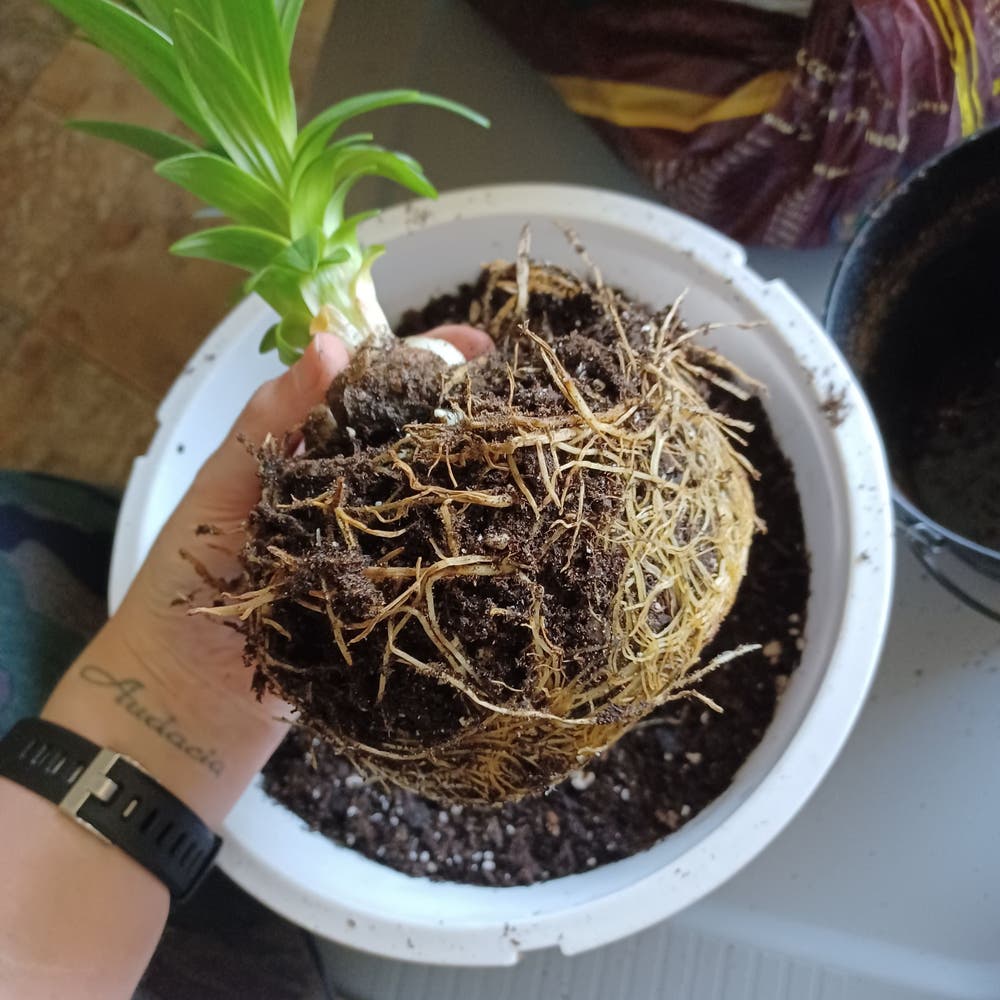
A hard, crusty surface that resists penetration is another red flag. Compacted soil limits root growth and water absorption, making it difficult for your plants to thrive.
Poor Drainage
Water pooling on the surface after rain or watering can lead to serious issues. This condition often results in bulb rot and root diseases, jeopardizing the health of your lilies.
🧪 How to Test Soil Health
pH Testing
To ensure your soil is suitable for Asiatic Tiger Lily, use a soil pH meter or test kit. Aim for a pH range of 6.0 to 7.0 for optimal growth.
Moisture Levels
Check soil moisture with a moisture meter or simply use your finger. The goal is to maintain consistently moist soil without it becoming soggy.
🛠️ Common Soil Problems and Their Solutions
Moldy Soil Solutions
If you encounter moldy soil, improving air circulation is key. Consider using a fan or relocating pots to a well-ventilated area.
Adjusting your watering schedule can also help. Allow the soil to dry out between waterings to prevent mold from returning.
Nutrient Deficiencies
Look out for symptoms like yellowing leaves and stunted growth, which indicate nutrient deficiencies. To remedy this, apply balanced organic fertilizers or compost to replenish essential nutrients.
By recognizing these signs and taking action, you can ensure your Asiatic Tiger Lily thrives in a healthy environment. Next, let’s explore how to create a homemade soil mix tailored for these beautiful flowers.
Creating a Homemade Soil Mix
🌱 Step-by-Step Guide to Making a Soil Mix for Asiatic Tiger Lily
Creating the perfect soil mix for your Asiatic Tiger Lily is straightforward and rewarding. Follow these easy steps to ensure your plants thrive.
Gather Ingredients: Start with compost, perlite, peat moss, and sand. These components will provide the right balance of nutrients, drainage, and moisture retention.
Mix Ratios: Combine 40% sand, 40% loam, and 20% organic matter. This ratio promotes healthy root development and optimal growth.
Blend Thoroughly: Ensure an even distribution of all components. A well-mixed soil will support your lilies better than any single ingredient alone.
🥗 Recommended Ingredients
Compost: This is your nutrient powerhouse. It not only provides essential nutrients but also improves soil structure, making it a must-have for your mix.
Perlite: Think of perlite as the air freshener for your soil. It enhances drainage and aeration, preventing waterlogging and promoting healthy root systems.
Peat Moss: Peat moss is excellent for moisture retention while allowing for aeration. It keeps the soil consistently moist, which is crucial for your Asiatic Tiger Lily.
📊 Ratios for Optimal Soil Mix
To recap, here are the ideal ratios for your homemade soil mix:
- 40% Sand
- 40% Loam
- 20% Organic Matter (either compost or peat moss)
These ratios create a balanced environment that supports growth and health.
With your soil mix ready, your Asiatic Tiger Lily will be set for success. Next, let’s explore how to maintain this soil over time to ensure your plants continue to flourish.
Soil Maintenance for Asiatic Tiger Lily
How to Amend Soil Over Time 🌱
Maintaining healthy soil is crucial for the thriving growth of your Asiatic Tiger Lily. Start by adding nutrients; organic fertilizers during the growing season can significantly boost plant health.
Incorporate compost annually to replenish essential nutrients. This not only enriches the soil but also enhances its structure.
Adjusting pH is another key aspect. Use sulfur to lower pH or lime to raise it as needed, ensuring your soil remains within the ideal range for optimal growth.
Seasonal Soil Care Tips 🌸
Spring is the perfect time to prepare your soil. Test the pH and amend it as necessary to create a welcoming environment for your lilies.
Adding fresh compost during this season can significantly boost nutrient levels. It’s like giving your plants a nutritious meal right before they start their growth spurt.
As fall approaches, focus on amendments to prepare for winter. Incorporate organic matter to enrich the soil and improve its resilience against the cold.
Don’t forget to mulch! This protects soil structure and helps retain moisture, ensuring your Asiatic Tiger Lily has everything it needs to thrive even in the colder months.
With these maintenance tips, your soil will be in top shape, setting the stage for vibrant blooms. Next, let’s explore how environmental factors can influence your soil choices.
Soil and Environmental Factors
🌍 Impact of Climate on Soil Choice
When selecting soil for your Asiatic Tiger Lily, climate plays a crucial role. In warmer climates, you might want to opt for moisture-retentive mixes to keep your plants hydrated.
Humidity is another factor to consider. High humidity levels can lead to waterlogged conditions, so increasing drainage components in your soil mix is essential.
🗺️ Geographic Considerations for Soil Selection
Understanding your local soil types is vital for creating the perfect environment for your lilies. Researching native soil conditions allows you to tailor your soil mix effectively.
Additionally, consider local amendments that can enhance soil quality. This approach not only supports your plants but also promotes a healthier ecosystem in your garden.
With these insights, you're well-equipped to create a thriving environment for your Asiatic Tiger Lily. Next, let’s explore how to amend soil over time to keep your plants flourishing.
⚠️ Safety First
This content is for general information and may contain errors, omissions, or outdated details. It is not medical, veterinary advice, or an endorsement of therapeutic claims.
Always consult a qualified healthcare professional before using any plant as food, medicine, or supplement.
Never eat any plant (or feed one to pets) without confirming its identity with at least two trusted sources.
If you suspect poisoning, call Poison Control (800) 222-1222, the Pet Poison Helpline (800) 213-6680, or your local emergency service immediately.
Spotted an error? Please report it here.
Nurture your Asiatic Tiger Lilies with healthy soil 🌱 by using Greg's tailored tips for pH, moisture, and nutrients to ensure your blooms thrive beautifully!