10 Perfect Pot Styles for Asiatic Tiger Lily 🐅
Lilium lancifolium
By the Greg Editorial Team
Oct 10, 2024•5 min read
This article was created with the help of AI so we can cover more plants for you. May contain errors. See one? Report it here.
Master pot size and drainage 🌱 to help your Asiatic Tiger Lilies thrive beautifully in any garden!
- 🌱 Choose pot sizes wisely: 4-6 inches for seedlings, 12-14 inches for mature lilies.
- 💧 Ensure proper drainage: Multiple holes and gravel layers prevent waterlogging and root rot.
- 🌿 Repot every 2-3 years to maintain health; look for roots outgrowing pots.
Pot Size Recommendations
Importance of Pot Size for Growth Stages 🌱
Choosing the right pot size is crucial for the healthy growth of your Asiatic Tiger Lily. Each growth stage requires specific dimensions to ensure optimal development.
Seedlings 🌼
For seedlings, a pot size of 4-6 inches in diameter is ideal. This size allows for initial root development and prevents overcrowding, giving your young plants the best start.
Young Plants 🌿
As your lilies grow, transition them to an 8-10 inch diameter pot. This size provides adequate space for bulb growth and enhances nutrient absorption, ensuring your plants thrive.
Mature Plants 🌸
Once your lilies reach maturity, opt for a 12-14 inch diameter pot. This larger size supports bigger root systems and prevents stunting, allowing your Asiatic Tiger Lilies to flourish beautifully.
Understanding these pot size recommendations will set the foundation for successful growth. Next, let’s explore the ideal pot materials that can further enhance your plants' health.
Ideal Pot Materials
🌱 Clay vs. Plastic
When choosing the right pot for your Asiatic Tiger Lily, the material can significantly impact growth and aesthetics.
Clay Pots
Clay pots are a popular choice among gardeners.
Advantages: They are breathable, allowing air circulation to the roots, which is essential for healthy growth. Additionally, their natural look adds a rustic charm to any garden or patio.
Disadvantages: However, they come with some downsides. Clay pots are heavier, making them less portable, and they can crack in freezing temperatures, which may pose a risk in colder climates.
Plastic Pots
On the other hand, plastic pots offer a different set of benefits.
Advantages: They are lightweight and easy to move around, making them ideal for those who like to rearrange their plants. Plus, they come in a variety of colors and designs, allowing for more personalization in your gardening space.
Disadvantages: The downside is that plastic pots are less breathable. If drainage isn’t adequate, this can lead to root rot, which is something every gardener wants to avoid.
Choosing between clay and plastic pots ultimately depends on your gardening style and the specific needs of your Asiatic Tiger Lily.
Understanding these materials will help you create an optimal environment for your plants, ensuring they thrive beautifully.
Next, let’s dive into the crucial topic of drainage considerations, which is vital for the health of your bulbs.
Drainage Considerations
Importance of Drainage Holes 🌊
Drainage holes are crucial for preventing water accumulation at the bottom of the pot. This feature helps maintain optimal moisture levels for your Asiatic Tiger Lily bulbs, ensuring they thrive without drowning.
Recommended Drainage Solutions 💧
To enhance drainage, consider the following solutions:
- Choose pots with multiple drainage holes: This allows excess water to escape easily.
- Add a layer of gravel or stones: Placing this at the bottom of the pot improves drainage and prevents soil from clogging the holes.
- Use well-draining potting mix: Opt for a mix specifically formulated for bulbs to ensure proper moisture retention without waterlogging.
By implementing these drainage strategies, you create a healthy environment for your lilies to flourish. Proper drainage not only supports growth but also prevents common issues like root rot, keeping your plants vibrant and strong.
Next, let’s explore the ideal pot materials that can further enhance the health of your Asiatic Tiger Lily.
Repotting Guidelines
Repotting your Asiatic Tiger Lily is crucial for its health and growth. Knowing when and how to repot can make all the difference in keeping your plants thriving.
🕒 When to Repot
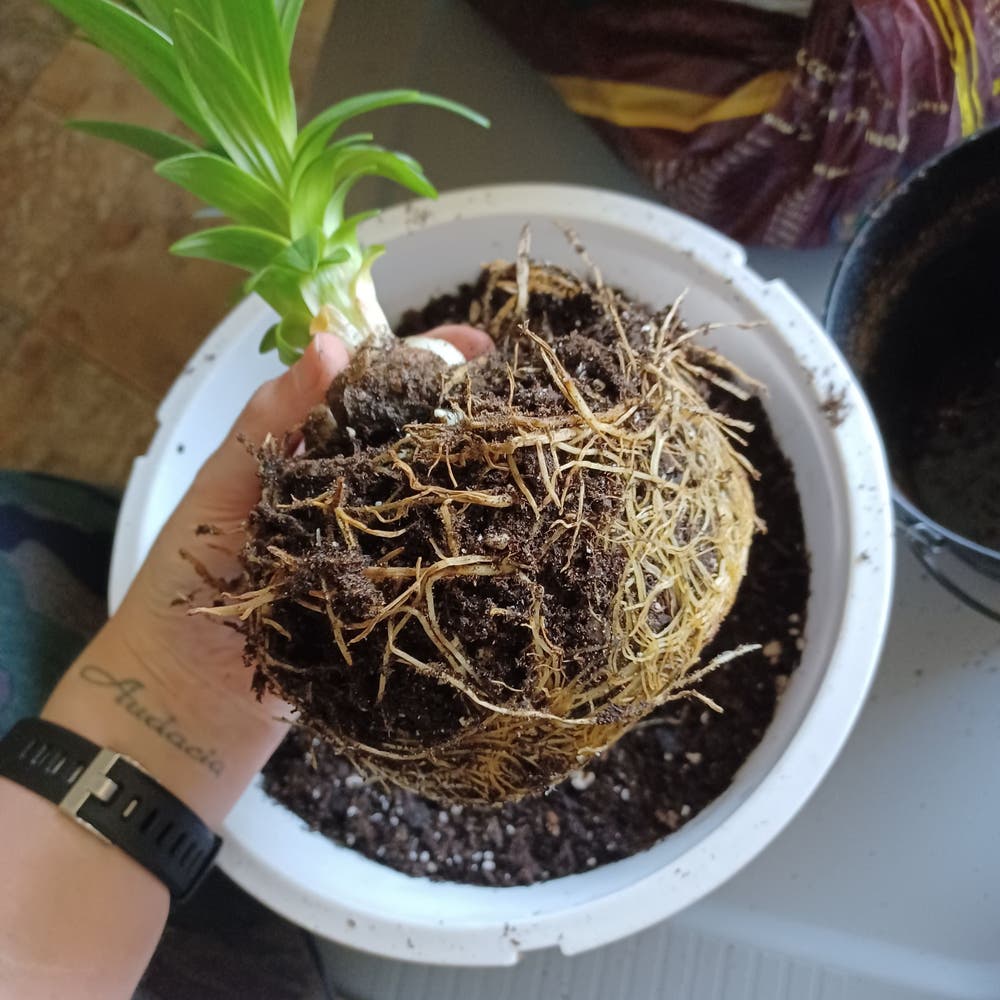
It's generally recommended to repot every 2-3 years or whenever you notice that the bulbs have outgrown their current pot. The best time to tackle this task is early spring, just before new growth begins.
🔍 Signs That Repotting is Needed
Keep an eye out for a few telltale signs that your plant needs repotting:
- Roots Outgrowing Drainage Holes: If you see roots peeking out, it’s time for a bigger home.
- Stunted Growth or Yellowing Leaves: These symptoms often indicate nutrient depletion, signaling a need for fresh soil.
- Bulbs Pushing Against the Sides: If your bulbs are cramped, they won’t thrive.
🛠️ Step-by-Step Repotting Process
Follow these simple steps to repot your Asiatic Tiger Lily effectively:
- Prepare a New Pot: Choose one that’s the right size with good drainage.
- Gently Remove the Plant: Carefully take the plant out of its current pot to avoid damaging the roots.
- Inspect the Roots: Look for any signs of rot or damage and trim them if necessary.
- Place the Bulb in the New Pot: Ensure it sits at the correct depth for optimal growth.
- Fill with Fresh Potting Mix: Leave some space at the top for watering.
- Water Thoroughly: After repotting, give it a good drink and place it in a suitable location for recovery.
Repotting can seem daunting, but it’s a rewarding process that helps your Asiatic Tiger Lily flourish. With the right care, your plant will thrive and bring beauty to your space. Next, let’s explore the ideal pot materials to enhance your plant's growth even further.
⚠️ Safety First
This content is for general information and may contain errors, omissions, or outdated details. It is not medical, veterinary advice, or an endorsement of therapeutic claims.
Always consult a qualified healthcare professional before using any plant as food, medicine, or supplement.
Never eat any plant (or feed one to pets) without confirming its identity with at least two trusted sources.
If you suspect poisoning, call Poison Control (800) 222-1222, the Pet Poison Helpline (800) 213-6680, or your local emergency service immediately.
Spotted an error? Please report it here.
Ensure your Asiatic Tiger Lilies thrive beautifully 🌱 by using Greg's tailored potting tips and reminders for optimal size, material, and drainage!