🐅 10 Key Phases of Tiger Lily Development
Lilium lancifolium
By the Greg Editorial Team
Oct 02, 2024•4 min read
This article was created with the help of AI so we can cover more plants for you. May contain errors. See one? Report it here.
Cultivate stunning tiger lilies 🌸 by mastering their growth stages with this essential care guide!
- 🌱 Tiger lily germination takes 14-30 days; temperature and moisture are key factors.
- 🌞 Optimal growth requires well-drained soil and indirect sunlight for healthy seedlings.
- 🌼 Flowering begins 12-14 weeks post-germination, attracting pollinators with vibrant blooms.
Germination Stage
Duration of Germination 🌱
The germination period for tiger lilies typically spans 14 to 30 days. This timeframe can vary based on several factors, including temperature, moisture, and light conditions.
Conditions for Successful Germination 🌡️
To ensure successful germination, maintain an optimal temperature range of 60°F to 70°F (15°C to 21°C).
Soil Requirements
Use well-drained, fertile soil with a pH between 6.0 and 7.0 to support healthy growth.
Moisture Levels
Keep moisture levels consistent, avoiding waterlogging to prevent root rot.
Light Exposure
Provide indirect sunlight to prevent overheating, which can hinder germination.
By creating the right environment, you set the stage for robust growth in the next phases. Understanding these initial steps is crucial for nurturing your tiger lilies effectively.
Seedling Stage
Characteristics of Seedlings 🌱
As tiger lilies transition from germination, they begin to showcase their initial growth. Small, slender leaves emerge from the bulb, marking the start of a vibrant life cycle.
These leaves are arranged alternately and have a lanceolate shape, giving the plant a delicate yet determined appearance. At this stage, seedlings typically reach a height of 2-6 inches, setting the foundation for future growth.
Duration and Care During This Phase ⏳
The seedling stage lasts about 4-8 weeks, a crucial period for establishing a strong plant. During this time, it's essential to provide consistent care to ensure healthy development.
Keep the soil moist but not waterlogged, and ensure the seedlings receive adequate light. This attention will help them thrive as they prepare for the next phase of their growth journey.
With the right conditions, these young plants will soon transition into the vegetative growth stage, where their true potential begins to unfold.
Vegetative Growth Stage
🌱 Description of Vegetative Growth
During the vegetative growth stage, tiger lilies really come into their own. You’ll notice the development of robust stems and lush leaves, creating a vibrant display.
Each plant can produce between 6 to 12 leaves, which are essential for photosynthesis. This phase is marked by rapid height increase, with plants reaching up to 2 feet tall.
⏳ Duration and Environmental Needs
The vegetative growth stage typically lasts about 6 to 8 weeks. To thrive, these plants need a nurturing environment with adequate sunlight, moisture, and nutrients.
Ensure they have well-drained, fertile soil to support their vigorous growth. Consistent watering is crucial, but avoid waterlogging to keep those roots happy.
As your tiger lilies flourish, they set the stage for the next exciting phase: flowering. Get ready for a burst of color and beauty!
Flowering Phase
🌸 Timeline for Flowering
The flowering phase of the Tiger Lily typically begins 12-14 weeks after germination. This vibrant display lasts for 4-6 weeks, influenced by environmental conditions.
🌼 Changes in Plant Appearance
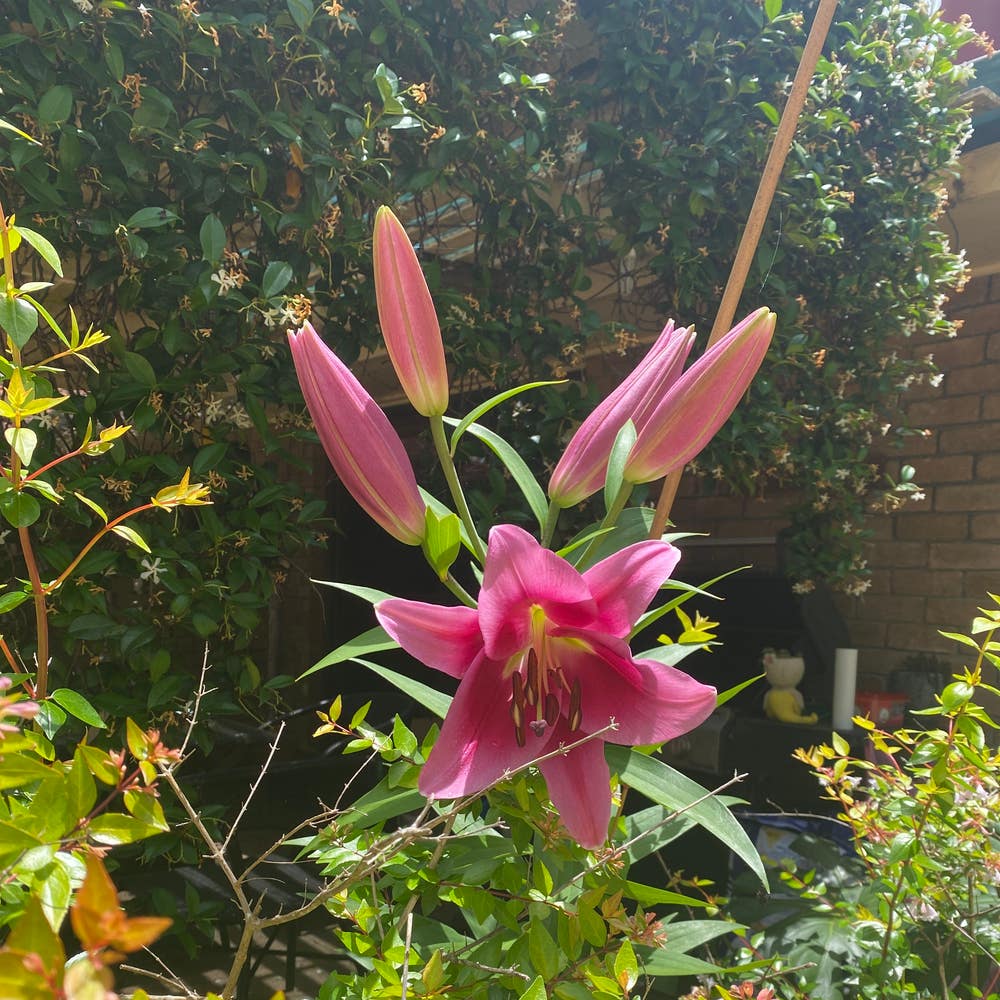
During this phase, the plant showcases large, showy orange flowers adorned with striking black spots. As the flowers bloom, the plants can grow to their full height of 2-4 feet, creating a stunning visual impact in any garden.
🐝 Attracting Pollinators
These beautiful blooms are not just a feast for the eyes; they also attract essential pollinators like bees and butterflies. This interaction plays a crucial role in the reproductive cycle of the Tiger Lily, ensuring the continuation of its life cycle.
As the flowering phase concludes, the focus shifts to the next critical stage: seed production. This phase is vital for the plant's lifecycle and offers insights into its reproductive strategies.
Seed Production
🌼 Process of Seed Formation
Pollination is a crucial step in the seed production of Tiger Lilies. This process primarily relies on insect activity, which facilitates the transfer of pollen from one flower to another.
After successful pollination, the plant begins to form seed pods. These pods will mature over time, containing the seeds that will ensure the next generation of Tiger Lilies.
⏳ Duration and Conditions for Seed Production
The duration for seed production typically spans 6-8 weeks after flowering. During this period, specific conditions are essential for successful seed development.
- Adequate Moisture Levels: Consistent moisture is vital to support the growing seed pods.
- Nutrient-Rich Soil: The soil must be fertile to provide the necessary nutrients for robust seed pod development.
- Protection from Extreme Weather: Shielding the plants from harsh weather conditions helps ensure healthy seed formation.
🌱 Lifespan and Maturation Time
Tiger Lilies have a typical lifespan of 3-5 years when provided with proper care and conditions. Their growth rate is moderate, with most significant growth occurring during the vegetative stage.
Maturation takes about 2-3 years for the plants to reach their full potential, including flowering capabilities. This timeline highlights the importance of patience and care in cultivating these beautiful flowers.
As we transition to the next phase, understanding the intricacies of seed production sets the stage for appreciating the lifecycle of Tiger Lilies.
⚠️ Safety First
This content is for general information and may contain errors, omissions, or outdated details. It is not medical, veterinary advice, or an endorsement of therapeutic claims.
Always consult a qualified healthcare professional before using any plant as food, medicine, or supplement.
Never eat any plant (or feed one to pets) without confirming its identity with at least two trusted sources.
If you suspect poisoning, call Poison Control (800) 222-1222, the Pet Poison Helpline (800) 213-6680, or your local emergency service immediately.
Spotted an error? Please report it here.
Nurturing your tiger lilies through their growth phases is a rewarding journey, and with Greg's custom watering reminders 🌷, you'll ensure they thrive and bloom beautifully!