🐅 Step-by-Step Guide to Repotting Your Asiatic Tiger Lily
Lilium lancifolium
By the Greg Editorial Team
Oct 10, 2024•3 min read
This article was created with the help of AI so we can cover more plants for you. May contain errors. See one? Report it here.
Ensure your Asiatic Tiger Lily thrives 🌼 by spotting repotting signs early for vibrant growth!
- 🌱 Signs to repot: Look for roots out of drainage holes and yellowing leaves.
- 🕒 Repot every 2-3 years in early spring or fall for optimal growth.
- 🏺 Choose breathable pots like terracotta to prevent root rot and ensure health.
Signs That Your Asiatic Tiger Lily Needs Repotting
🌱 Root Crowding
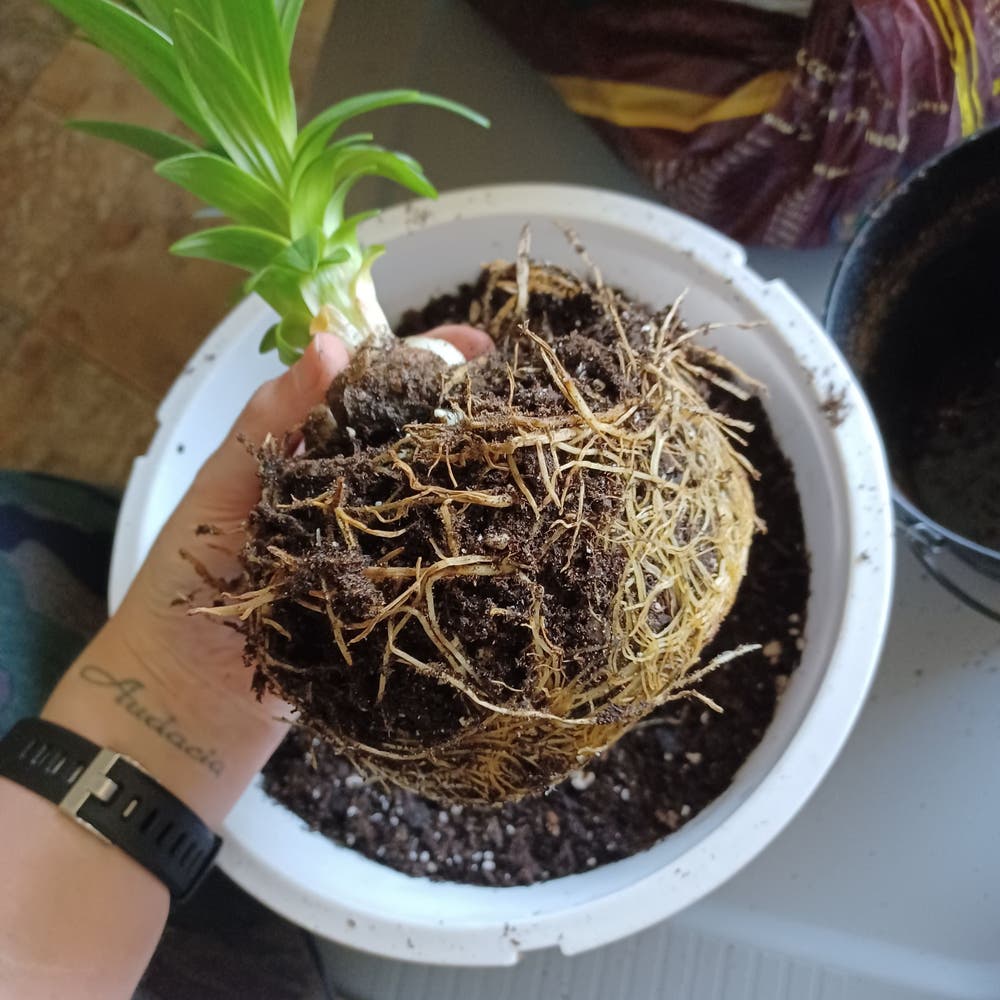
One of the first signs that your Asiatic Tiger Lily needs repotting is root crowding. If you notice roots growing out of the drainage holes or forming a dense mass at the bottom of the pot, it's time to take action.
📉 Stunted Growth
Another indicator is stunted growth. A lack of new growth or flowering, along with yellowing leaves or wilting despite proper care, suggests that your plant is struggling for space and nutrients.
🪴 Soil Degradation
Soil degradation can also signal the need for repotting. If the soil feels compacted and hard, leading to poor drainage, or if you see an accumulation of salts or minerals on the surface, your lily is likely in distress.
⏰ Timing Indicators
It's best to check your Asiatic Tiger Lily every 2-3 years or whenever you notice these signs. Regular monitoring will help ensure your plant remains healthy and vibrant.
By keeping an eye on these indicators, you can maintain the health of your Asiatic Tiger Lily and ensure it continues to thrive. Next, let’s explore the best time of year to repot your plant for optimal results.
Best Time of Year to Repot
Ideal Seasons 🌱
Timing is everything when it comes to repotting your Asiatic Tiger Lily. The best windows are early spring, just before new growth kicks in, and fall, after the blooming has wrapped up.
Considerations 🌡️
Be mindful of extreme temperatures. Avoid repotting during hot summer days or chilly winter nights, as these conditions can stress your plant.
Keep an eye on your local climate; the right moment can make all the difference in ensuring a smooth transition for your lily.
Pot Material Options
🪴 Recommended Pot Materials for Optimal Growth
Choosing the right pot material is crucial for the health of your Asiatic Tiger Lily. Terracotta pots are a top choice because they offer excellent drainage, allowing excess moisture to escape and preventing root rot.
Ceramic pots, while more decorative, can also be a great option. They add aesthetic appeal to your garden but ensure they have drainage holes to keep your plant happy.
🚫 Materials to Avoid
On the flip side, steer clear of non-breathable plastic pots. These can trap moisture, leading to soggy soil and unhealthy roots.
Remember, the right pot can make a significant difference in your plant's growth and overall well-being.
As you prepare to repot, consider how the pot material impacts your plant's environment. This thoughtful choice sets the stage for a thriving Asiatic Tiger Lily.
Next, let’s dive into common repotting mistakes to avoid for a successful transition.
Common Repotting Mistakes
🌱 Overpotting vs. Underpotting
Choosing the right pot size is crucial for your Asiatic Tiger Lily's health. A pot that's too large can trap excess moisture, leading to root rot, while a pot that's too small restricts root growth and can stunt the plant.
🔍 Not Checking Root Health
Before repotting, always inspect the root system. Failing to do so can result in transplanting unhealthy roots, which may jeopardize the plant's recovery and growth.
📅 Ignoring Seasonal Changes
Timing is everything when it comes to repotting. Ignoring seasonal cues can stress your plant, making it harder for it to adapt to its new environment.
By avoiding these common mistakes, you can ensure a smoother repotting experience for your Asiatic Tiger Lily. Next, let’s explore the best pot materials to support optimal growth.
⚠️ Safety First
This content is for general information and may contain errors, omissions, or outdated details. It is not medical, veterinary advice, or an endorsement of therapeutic claims.
Always consult a qualified healthcare professional before using any plant as food, medicine, or supplement.
Never eat any plant (or feed one to pets) without confirming its identity with at least two trusted sources.
If you suspect poisoning, call Poison Control (800) 222-1222, the Pet Poison Helpline (800) 213-6680, or your local emergency service immediately.
Spotted an error? Please report it here.
Keep your Asiatic Tiger Lily thriving 🌱 by using Greg's tailored reminders and expert tips to repot at the right time and in the right pot!