🐅 Asiatic Tiger Lily: Not an Invasive Plant
Lilium lancifolium
By the Greg Editorial Team
Oct 10, 2024•5 min read
This article was created with the help of AI so we can cover more plants for you. May contain errors. See one? Report it here.
Boost your garden's beauty and biodiversity 🌼 with the stunning Asiatic Tiger Lily and its pollinator-friendly blooms!
- 🌼 Asiatic Tiger Lily attracts pollinators, enhancing garden biodiversity and supporting local wildlife.
- 🌞 Thrives in full sun to partial shade, making it versatile for various garden designs.
- 🌱 Non-invasive and beneficial, it promotes a balanced ecosystem when responsibly managed.
Growth Habits
Typical Patterns in Gardens 🌼
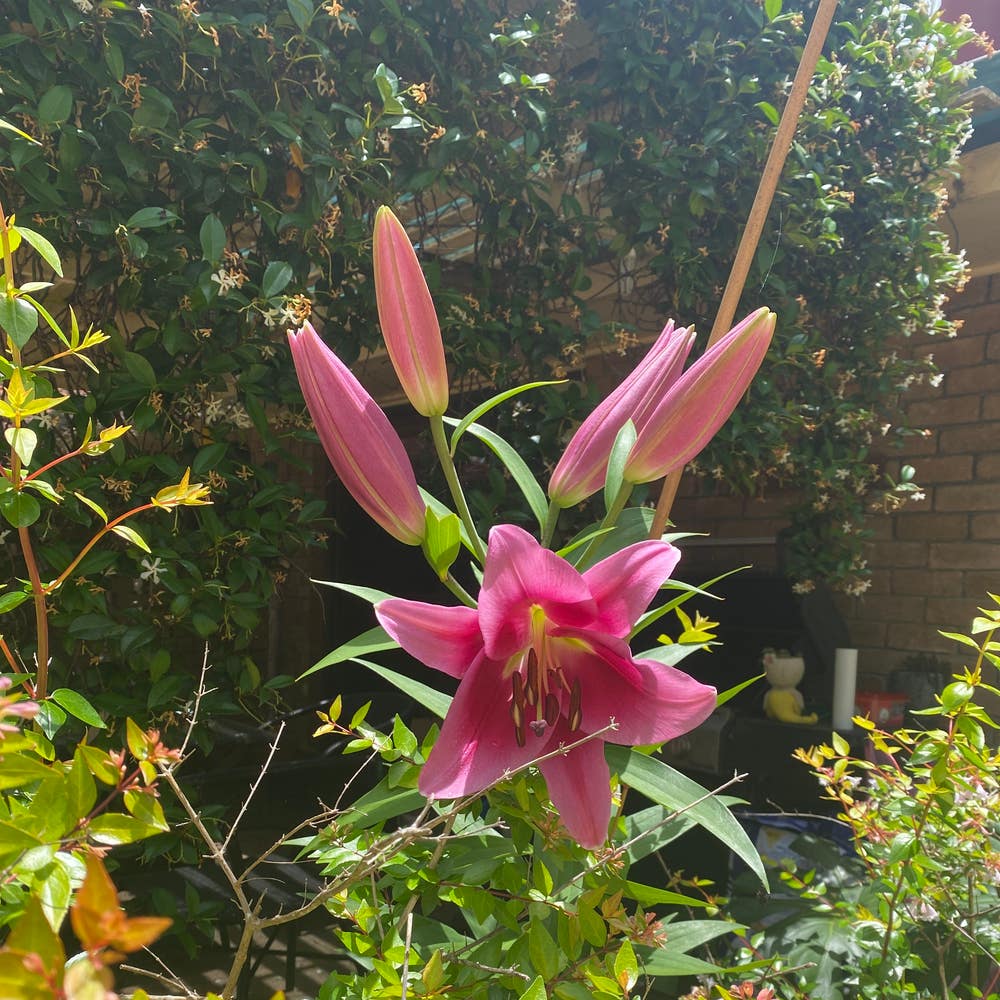
The Asiatic Tiger Lily typically reaches a height of 3 to 4 feet and spreads about 1 to 2 feet. Its flowering season occurs in mid-summer, lasting several weeks, showcasing vibrant blooms that catch the eye.
The long, lance-shaped leaves not only enhance its aesthetic appeal but also provide a lush backdrop for its striking flowers. This combination makes it a popular choice for many garden enthusiasts.
Natural Spread Potential and Limitations 🌱
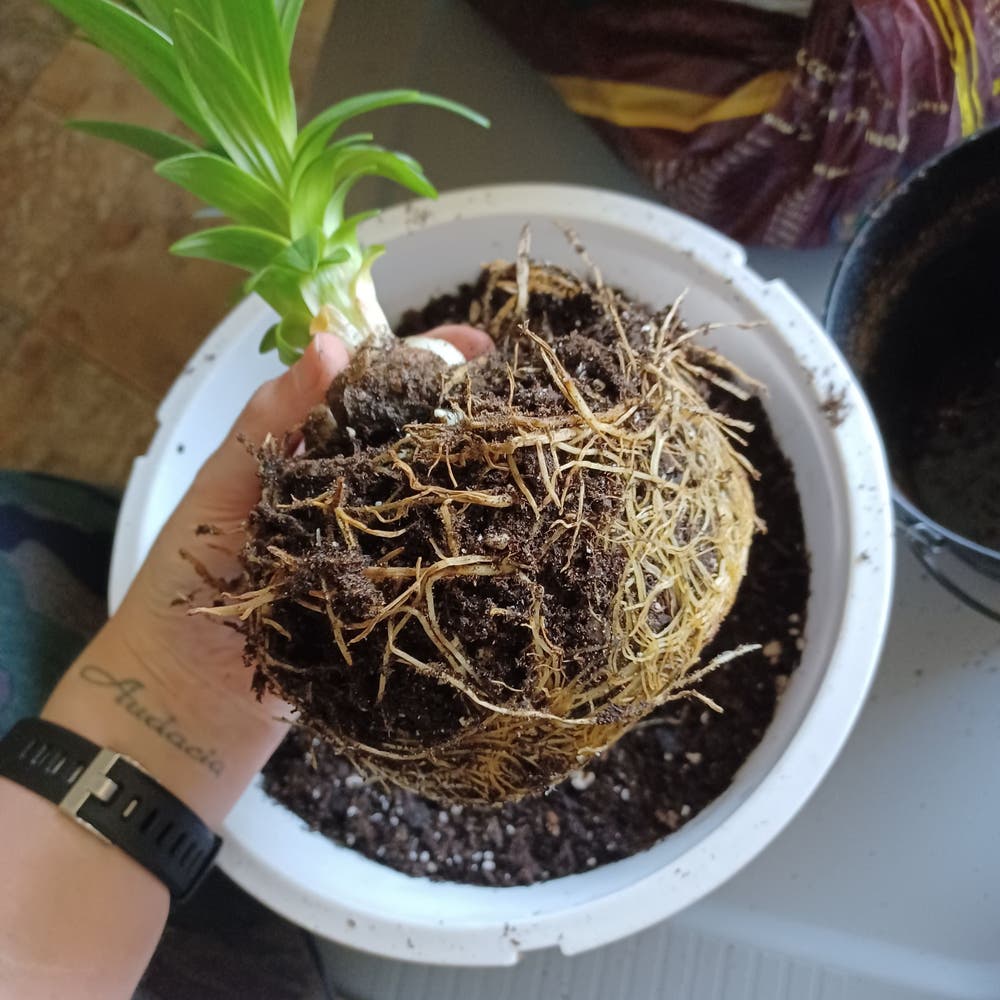
This plant propagates through bulbous growth, allowing it to establish itself in various garden settings. However, its spread is limited by factors such as soil conditions and competition with other plants.
In less-than-ideal environments, the Asiatic Tiger Lily may struggle to thrive, ensuring it doesn't overtake your garden. This balance is crucial for maintaining a healthy ecosystem.
Seasonal Growth Cycles 🌸
Spring marks the emergence of the Asiatic Tiger Lily, initiating growth and leaf development. As summer arrives, the plant bursts into bloom, attracting pollinators like bees and butterflies.
Come fall, the plant prepares for dormancy, focusing on bulb health and energy conservation. This seasonal cycle is vital for its longevity and overall vitality in the garden.
With a solid understanding of its growth habits, you can effectively incorporate the Asiatic Tiger Lily into your garden design. Next, let’s explore its ecological role and the benefits it brings to local wildlife.
Ecological Role
Benefits to Local Wildlife 🐝
The Asiatic Tiger Lily is a magnet for pollinators, particularly bees and butterflies. Its vibrant flowers not only attract these essential creatures but also contribute significantly to the biodiversity of garden ecosystems.
Positive Interactions with Other Plants 🌱
This lily thrives in companion planting scenarios, enhancing the growth of neighboring plants. By fostering a balanced ecosystem, it supports a healthier garden environment, allowing various species to flourish together.
Role in Pollinator Support 🌼
The Asiatic Tiger Lily plays a crucial role in supporting local pollinator populations. To maximize these interactions, consider designing your garden with diverse flowering plants that bloom at different times, ensuring a continuous food source for pollinators throughout the growing season.
Incorporating these strategies not only benefits the lilies but also enriches the entire garden ecosystem, setting the stage for the next section on effective garden management.
Garden Management
Effective Incorporation into Designs 🌼
Asiatic Tiger Lilies thrive best in full sun to partial shade. This flexibility allows them to fit seamlessly into various garden designs.
Companion planting can enhance their growth. Pair them with other perennial flowers like daylilies or coneflowers to create a vibrant, diverse garden.
Aesthetic Considerations for Growth Control 🎨
Managing the height and spread of your Asiatic Tiger Lilies can elevate your garden's visual appeal. Techniques like strategic spacing and selective planting can help maintain a balanced look.
Pruning and deadheading are essential for encouraging healthy growth. Regularly removing spent flowers not only keeps the plant tidy but also promotes more blooms.
Maintenance Tips for Healthy Growth 🧑🌾
Consistent moisture is key for Asiatic Tiger Lilies, but avoid waterlogging. A well-drained soil mix will keep their roots happy and healthy.
For fertilization, a balanced nutrient schedule is recommended. Use a slow-release fertilizer in early spring to support robust growth throughout the season.
Pest management is crucial for maintaining plant health. Keep an eye out for common issues like aphids or spider mites, and consider organic control methods for a sustainable approach.
Incorporating these management strategies will ensure your Asiatic Tiger Lilies flourish, contributing to a vibrant and healthy garden. Next, let’s explore how these beautiful plants interact with local wildlife and their ecological role.
Comparison to Other Plants
🌼 Similar Non-Invasive Plants
When considering non-invasive bulbous plants for your garden, options like the Allium and Daffodil stand out. These plants not only share similar growth habits but also contribute positively to local ecosystems.
Allium, with its striking globe-shaped flowers, typically grows 1-3 feet tall and attracts various pollinators. Daffodils, on the other hand, bloom in early spring, providing essential nectar when few other flowers are available.
🌸 Unique Qualities
The Asiatic Tiger Lily boasts distinctive, vibrant flowers that can brighten any garden. Its resilience to various weather conditions makes it a reliable choice for gardeners looking to create a lasting impact.
Moreover, its adaptability allows it to thrive in diverse settings, from urban gardens to rural landscapes. This versatility ensures that it can fit into almost any garden design seamlessly.
🌿 Benefits Over Invasive Alternatives
Choosing non-invasive species like the Asiatic Tiger Lily offers significant environmental benefits. These plants help maintain biodiversity, supporting a balanced ecosystem without overwhelming native flora.
Additionally, they promote long-term sustainability in garden management practices. By selecting non-invasive options, gardeners can enjoy vibrant blooms while protecting local ecosystems from the threats posed by invasive species.
Incorporating the Asiatic Tiger Lily and similar plants into your garden not only enhances its beauty but also fosters a healthier environment. As we explore sustainable gardening practices, understanding these comparisons becomes crucial for making informed choices.
Legal and Environmental Considerations
🌱 Sustainable Gardening Practices
Biodiversity is crucial for a thriving ecosystem. Integrating the Asiatic Tiger Lily into your garden can enhance this balance, offering a vibrant habitat for various species.
To successfully incorporate this plant, consider its growth habits and environmental needs. Aim for a mix of native and non-invasive species to create a harmonious garden.
🌍 Environmental Impact
The Asiatic Tiger Lily positively contributes to local ecosystems. Its flowers attract pollinators, supporting the broader food web.
However, responsible management is key. Regular monitoring ensures that it doesn't outcompete other plants, maintaining a healthy garden dynamic.
📏 Guidelines for Responsible Planting
When planting, choose locations that provide adequate sunlight and space for growth. Aim for a spacing of about 1-2 feet between plants to allow for air circulation.
Keep an eye on how the Tiger Lily interacts with neighboring species. This vigilance helps maintain a balanced ecosystem and prevents any unintended consequences.
By following these guidelines, you can enjoy the beauty of the Asiatic Tiger Lily while fostering a sustainable garden environment. Next, let’s explore how to effectively manage your garden to maximize the benefits of this stunning plant.
⚠️ Safety First
This content is for general information and may contain errors, omissions, or outdated details. It is not medical, veterinary advice, or an endorsement of therapeutic claims.
Always consult a qualified healthcare professional before using any plant as food, medicine, or supplement.
Never eat any plant (or feed one to pets) without confirming its identity with at least two trusted sources.
If you suspect poisoning, call Poison Control (800) 222-1222, the Pet Poison Helpline (800) 213-6680, or your local emergency service immediately.
Spotted an error? Please report it here.
Elevate your garden's biodiversity with the stunning Asiatic Tiger Lily 🌼, and let Greg guide you with tailored care tips to ensure these beauties thrive beautifully!