🌸 Top 3 Signs Your Tiger Lily Needs Pollination
Lilium lancifolium
By the Greg Editorial Team
Oct 02, 2024•5 min read
This article was created with the help of AI so we can cover more plants for you. May contain errors. See one? Report it here.
Unlock the secrets to thriving tiger lilies 🌼 and empower pollinators for a vibrant, flourishing garden!
- 🌼 Tiger lilies attract bees, butterflies, and hummingbirds with vibrant colors and sweet fragrance.
- 🌱 Self-pollination ensures seed production, but cross-pollination boosts genetic diversity.
- 🐝 Hand pollination can enhance seed yield; timing is key for success!
Flower Structure
Description of Components 🌼
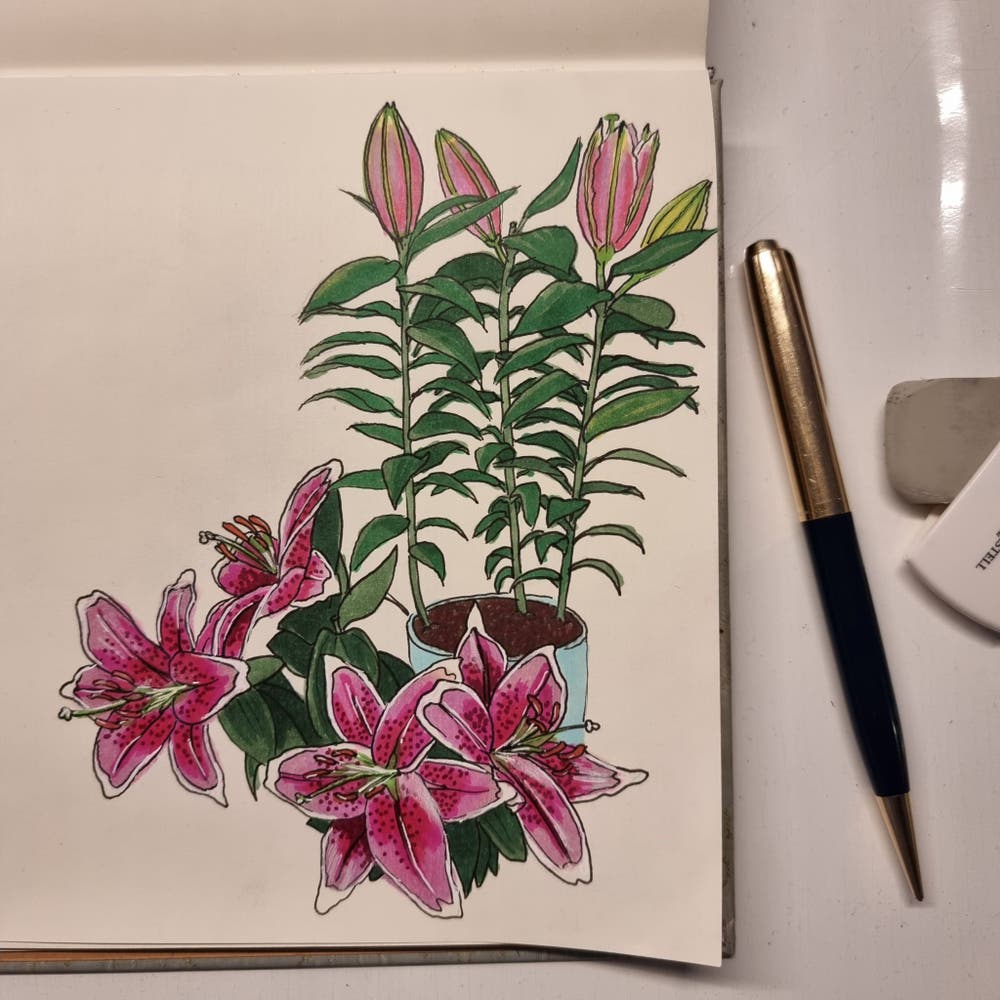
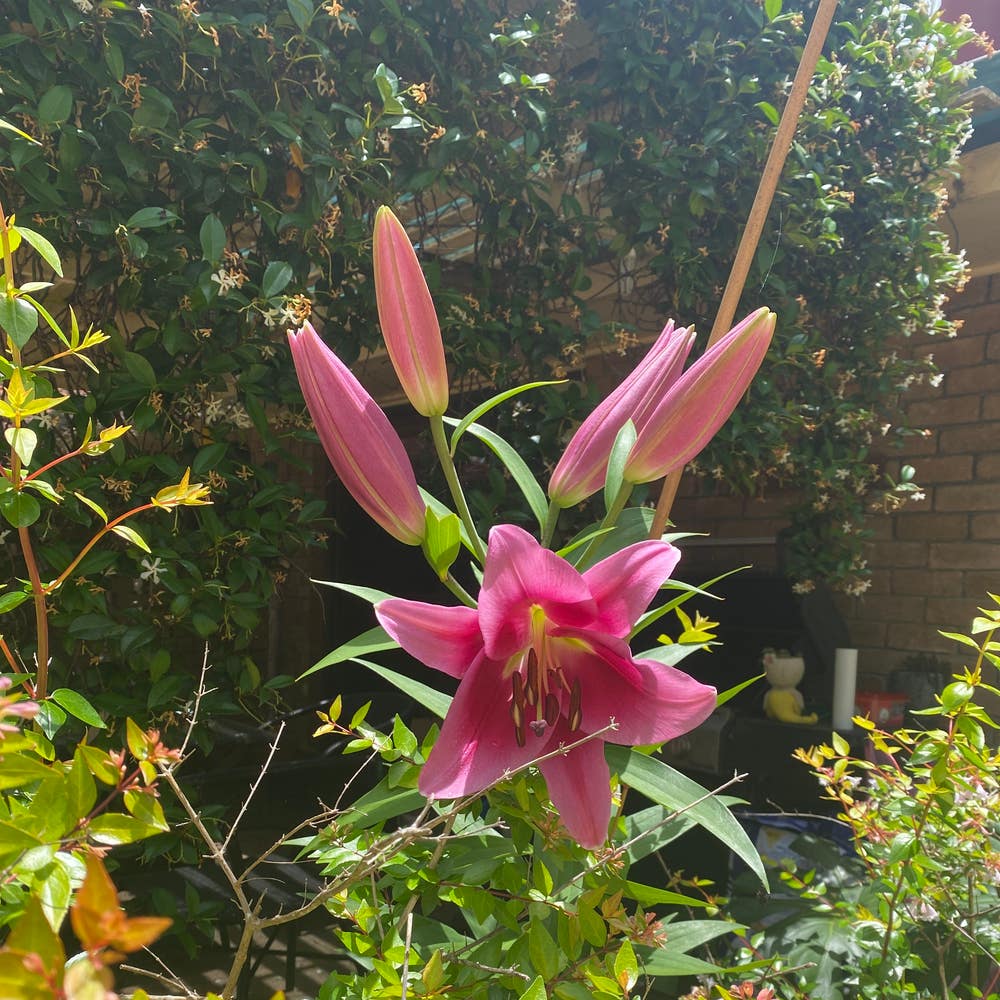
Tiger lilies are a visual feast, boasting trumpet-shaped petals that are a vibrant orange adorned with dark spots. These six petals curve backward, creating a striking appearance that draws the eye.
The sepals consist of three green, leaf-like structures that serve a protective role for the flower bud. They ensure that the delicate petals are safeguarded until they bloom.
Next, we have the stamens. There are six of them, each equipped with an anther that produces pollen. Positioned around the pistil, they play a crucial role in facilitating pollen transfer.
Finally, the pistil is the flower's central female reproductive part. It includes the ovary, style, and stigma, and its primary function is to receive pollen for fertilization.
Pollination Facilitation 🐝
Tiger lilies are adept at self-pollination. The close proximity of the stamens to the pistil allows for easy pollen transfer within the same flower, ensuring seed production even without external help.
On the other hand, cross-pollination occurs when pollinators are attracted to the flower's vibrant colors and sweet nectar. This not only aids in reproduction but also enhances genetic diversity, making the species more resilient.
Understanding these components and their roles is essential for appreciating how tiger lilies thrive in their environments. Next, we’ll delve into the fascinating pollination process that keeps these beautiful flowers flourishing.
Pollination Process
Self-Pollination Explanation 🌼
Self-pollination happens when pollen from the anthers lands on the stigma of the same flower. This process boosts seed production, even when pollinators are absent.
Primary Pollinators 🐝
Bees
Bees are the primary pollinators, drawn in by the nectar and vibrant colors of the tiger lily.
Butterflies
Butterflies also play a crucial role, landing on the flowers to feed and inadvertently transferring pollen.
Moths and Hummingbirds
Moths and hummingbirds are attracted by the flower's sweet fragrance and nectar, further aiding in cross-pollination.
Attraction Mechanisms 🌈
Color and Fragrance
The bright orange petals and sweet scent of tiger lilies are designed to lure in pollinators.
Nectar Availability
Abundant nectar ensures that pollinators frequently visit, enhancing the chances of successful pollination.
Understanding these mechanisms not only highlights the beauty of the tiger lily but also emphasizes the importance of pollinators in maintaining plant health and diversity. As we explore further, we’ll delve into natural pollination methods and their significance.
Natural Pollination
🌬️ Pollen Transfer Mechanisms
Pollination in tiger lilies relies heavily on wind and insect activity. Pollen moves from the anthers to the stigma, facilitated by the fluttering of pollinators and gentle breezes.
Timing plays a crucial role in this process. Peak pollination typically occurs on warm, sunny days when pollinators are most active, ensuring that flowers receive the attention they need.
🌱 Importance for Reproduction
Successful pollination is vital for seed formation, which is essential for the continuation of the species. When cross-pollination occurs, it enhances genetic diversity, making the population more resilient against diseases.
Understanding these mechanisms not only highlights the beauty of nature but also emphasizes the importance of protecting our pollinators. As we delve deeper into the world of pollination, we can appreciate how interconnected our ecosystems truly are.
Hand Pollination
Hand pollination can be a rewarding way to ensure your tiger lilies thrive. Here’s how to do it effectively.
Step-by-Step Instructions 🌼
Identify Male and Female Parts:
Start by locating the stamens, which are the male parts, and the pistil, the female part, within the flower. This is crucial for successful pollination.Collecting Pollen:
Gently tap or brush the anthers with a clean tool, like a cotton swab, to collect the pollen. This step is delicate, so take your time to avoid damaging the flower.Transferring Pollen:
Carefully place the collected pollen onto the stigma of the same flower or another flower. This transfer is essential for fertilization.Timing:
Perform this process in the morning when the flowers are fully open. This is when they are most receptive to pollen.
Hand pollination not only boosts seed production but also helps you engage more deeply with your plants. By taking these steps, you can ensure your tiger lilies flourish and contribute to a vibrant garden.
Next, let’s explore how to support pollinators in your environment.
Supporting Pollinators
🌼 Creating a Pollinator-Friendly Environment
To support your tiger lilies and other plants, start by enhancing plant diversity in your garden. Incorporating a variety of flowering plants attracts different pollinator species, ensuring a vibrant ecosystem.
Minimizing pesticide use is crucial. Chemicals can harm beneficial insects, so opt for organic methods to protect these vital pollinators.
🌱 Companion Plants
Certain plants can work wonders alongside your tiger lilies.
- Lavender: This fragrant herb attracts bees and butterflies, making it a perfect companion.
- Coneflower: Known for its nectar-rich blooms, it provides sustenance for various pollinators.
- Marigolds: Not only do they deter pests, but they also attract beneficial insects, creating a balanced environment.
🐝 Pollination Challenges
Common Obstacles
Pollinators face several challenges that can impact their activity.
- Environmental Factors: Temperature fluctuations and humidity can deter pollinators from visiting flowers.
- Lack of Pollinators: Urbanization and habitat loss have led to declining pollinator populations, making it harder for plants to thrive.
🛠️ Solutions
You can take proactive steps to support local pollinators.
- Planting Native Flora: Native plants are adapted to local conditions and can attract local pollinator species, enhancing biodiversity.
- Creating Habitats: Providing nesting sites and water sources can significantly support pollinator populations.
- Seasonal Considerations: Keep an eye on seasonal changes and adapt your care practices to align with pollinator activity.
By fostering a pollinator-friendly environment, you not only help your tiger lilies flourish but also contribute to the health of the ecosystem. Next, let’s explore the hand pollination process to ensure your plants get the attention they need.
⚠️ Safety First
This content is for general information and may contain errors, omissions, or outdated details. It is not medical, veterinary advice, or an endorsement of therapeutic claims.
Always consult a qualified healthcare professional before using any plant as food, medicine, or supplement.
Never eat any plant (or feed one to pets) without confirming its identity with at least two trusted sources.
If you suspect poisoning, call Poison Control (800) 222-1222, the Pet Poison Helpline (800) 213-6680, or your local emergency service immediately.
Spotted an error? Please report it here.
Boost your tiger lilies' pollination success 🌺 by using Greg's tailored care tips to attract the right pollinators and create a thriving garden environment!