4 Key Phases of Asiatic Tiger Lily Development 🐅
Lilium lancifolium
By the Greg Editorial Team
Oct 10, 2024•5 min read
This article was created with the help of AI so we can cover more plants for you. May contain errors. See one? Report it here.
Discover how to cultivate vibrant Asiatic tiger lilies 🌼 and transform your garden into a blooming paradise!
- 🌱 Germination takes 14-30 days; optimal conditions include 60-70°F and indirect sunlight.
- 🌼 Asiatic tiger lilies bloom in late summer, showcasing vibrant orange flowers for weeks.
- 🌍 Growth stages vary; from germination to flowering, understanding phases ensures successful cultivation.
Germination Stage
🌱 Duration of Germination
The germination period for the Asiatic tiger lily typically spans 14 to 30 days. This timeframe can vary based on several factors, including temperature, moisture, and light conditions.
🌡️ Conditions for Successful Germination
To ensure successful germination, aim for an optimal temperature range of 60°F to 70°F (15°C to 21°C).
Soil Requirements
Use well-draining, loamy soil with a pH between 6.0 and 7.0. This type of soil provides the right nutrients and drainage for healthy growth.
Light Exposure
Provide indirect sunlight to prevent overheating. Too much direct light can hinder the germination process, so finding that sweet spot is crucial.
By understanding these essential conditions, you can set the stage for a thriving Asiatic tiger lily. Next, we’ll explore the seedling stage, where the first signs of life emerge from the soil.
Seedling Stage
🌱 Characteristics of Seedlings
As the Asiatic Tiger Lily transitions into the seedling stage, it showcases its initial leaf structure. You’ll notice narrow, lanceolate leaves sprouting from the bulb, reaching heights of 2 to 6 inches.
⏳ Duration and Care During This Phase
This stage lasts approximately 4 to 6 weeks, requiring attentive care. To ensure healthy growth, maintain consistent moisture, avoid waterlogging, and provide partial shade to protect the delicate seedlings from harsh sunlight.
By nurturing your seedlings properly, you set the foundation for a thriving plant. Next, let’s explore the vegetative growth stage, where your lily will truly begin to flourish.
Vegetative Growth Stage
🌱 Growth Patterns and Changes
During the vegetative growth stage, the Asiatic tiger lily undergoes significant transformations. The leaves, initially narrow, become broader and more numerous, creating a lush green canopy.
As the plant matures, it can reach heights of 1 to 2 feet. This growth not only enhances its visual appeal but also prepares the plant for the upcoming flowering phase.
⏳ Duration of Vegetative Growth
This stage typically lasts between 6 to 8 weeks. To thrive, the tiger lily requires adequate sunlight, ideally 6 to 8 hours daily.
Nutrient availability is also crucial during this period. Ensuring the soil is rich in nutrients will support robust growth and set the stage for vibrant blooms ahead.
As the vegetative phase wraps up, the plant is primed for the next exciting chapter: flowering. This transition marks a pivotal moment in the life cycle of the Asiatic tiger lily, where all the hard work pays off in stunning displays of color.
Flowering Phase
Timing of Flowering 🌼
The Asiatic Tiger Lily typically bursts into bloom in late summer, specifically from July to August. This vibrant display lasts for about 3 to 4 weeks, offering a stunning sight in any garden.
Characteristics of Flowers 🌸
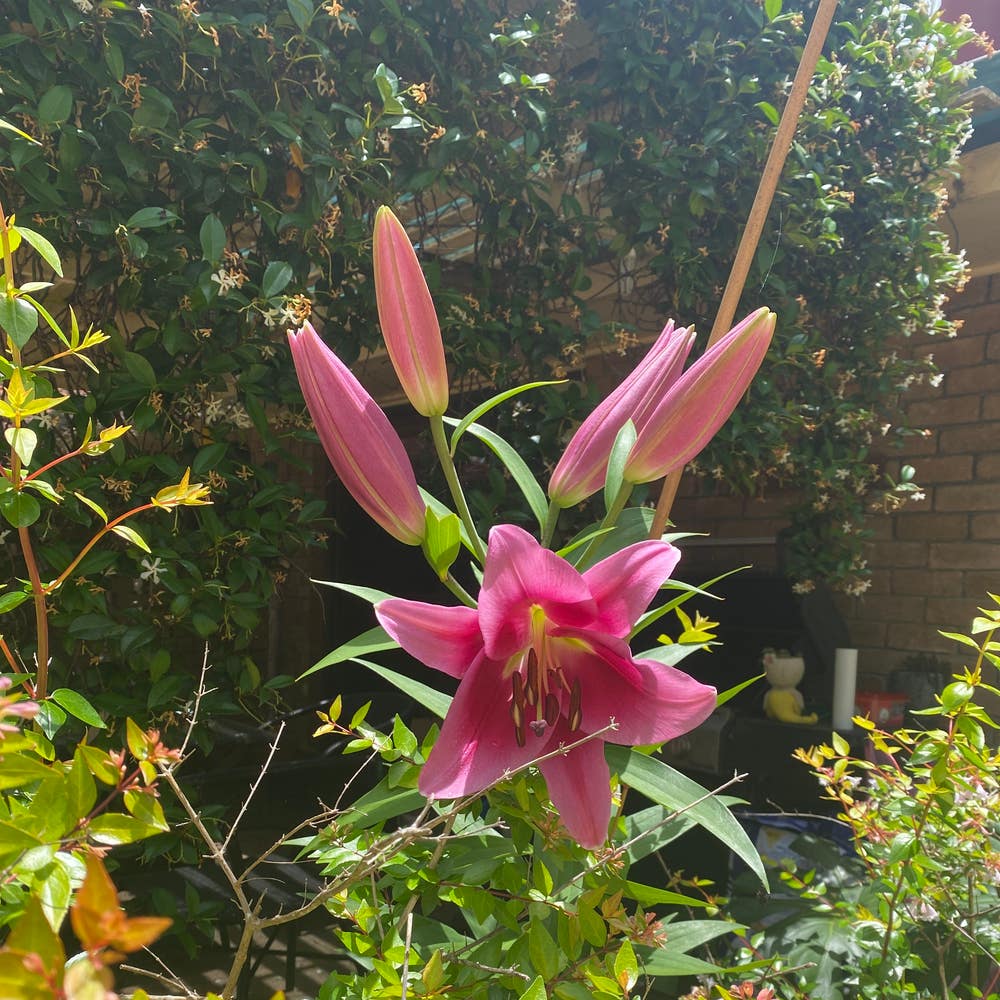
These flowers are truly eye-catching, featuring distinctive orange petals adorned with dark spots. Each trumpet-shaped bloom measures between 3 to 5 inches in diameter, making them a standout in any floral arrangement.
Pollination and Reproductive Processes 🐝
During the flowering phase, the lilies attract a variety of pollinators, including bees, butterflies, and hummingbirds. The primary method of pollination is cross-pollination, which is facilitated by these busy insects, ensuring the continuation of this beautiful species.
As the flowering phase wraps up, the focus shifts to seed production, where the cycle of growth continues.
Seed Production
Process of Seed Formation 🌱
After pollination, the magic begins. The ovary swells, signaling the start of seed formation.
As the ovary develops, seed pods emerge, each containing multiple seeds ready for their journey into the world.
Duration and Conditions for Seed Production ⏳
This exciting phase lasts about 4-6 weeks following flowering.
For successful seed maturation, warm temperatures and adequate moisture are essential, creating the perfect environment for growth.
With the right conditions, the Asiatic tiger lily can thrive, ensuring its legacy continues.
Growth Rate and Maturation
How Long Until Fully Grown? 🐅
The Asiatic Tiger Lily takes about 2-3 years to reach its full height of 3-4 feet. While you might see the first flowers in the initial year, full maturity is a gradual process.
Factors Affecting Growth Rate 🌱
Several factors influence how quickly your lily grows.
- Bulb Size and Health: Larger, healthier bulbs tend to sprout faster and stronger.
- Environmental Conditions: Quality of soil, availability of sunlight, and water play crucial roles in growth speed.
Average Lifespan of the Plant ⏳
In optimal conditions, the Asiatic Tiger Lily can live for 3-5 years. With proper care and a favorable environment, it has the potential for an even longer life.
Understanding these growth dynamics can help you nurture your lilies effectively. As you move forward, consider how seasonal changes impact their development, setting the stage for vibrant blooms and robust growth.
Notable Changes Throughout Life Cycle
🌱 Physical Changes at Each Stage
The life cycle of the Asiatic Tiger Lily is marked by distinct physical transformations. During germination, the first leaves emerge, signaling the plant's awakening.
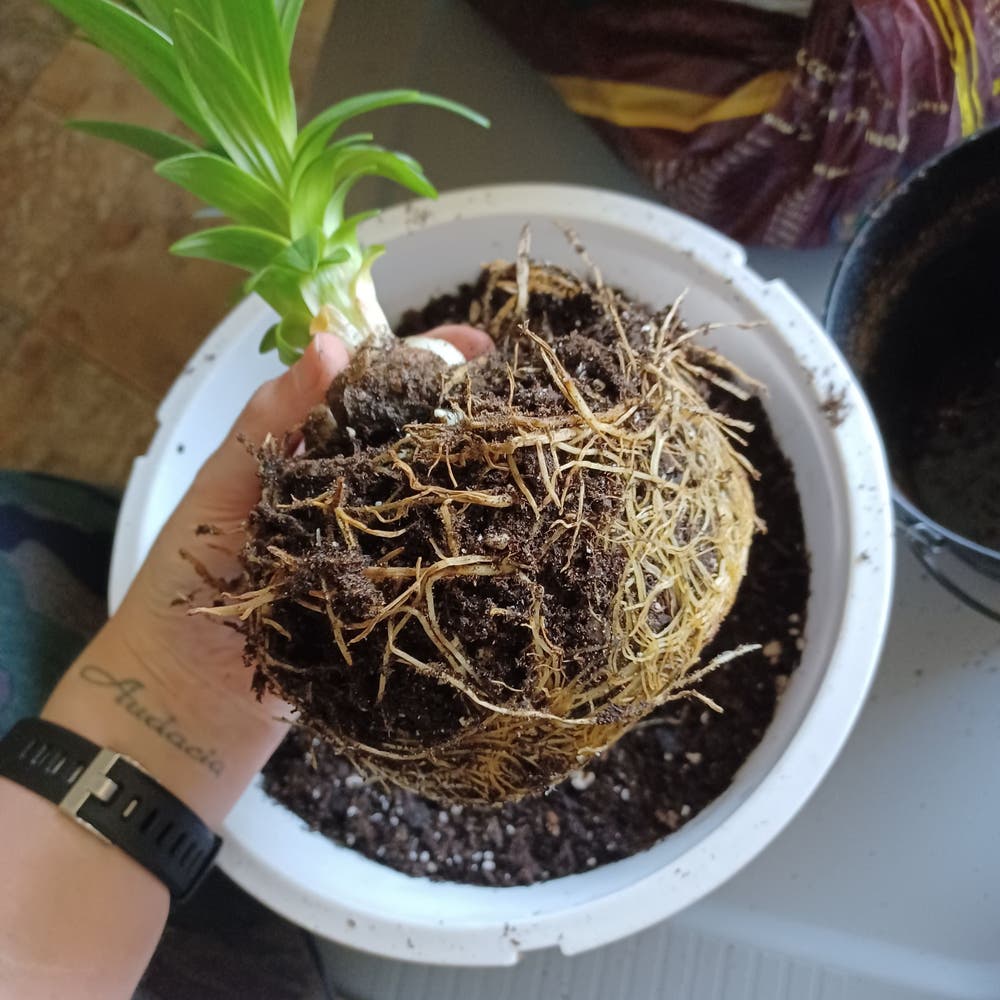
As it transitions to the seedling stage, a stronger root system develops alongside more leaves. This foundation is crucial for the plant's future growth.
In the vegetative stage, the lily experiences increased height and leaf density. This growth phase is vital for establishing a robust structure.
Finally, during the flowering phase, vibrant flowers appear, showcasing the plant's beauty and signaling its reproductive readiness.
🌍 Environmental Adaptations
The Asiatic Tiger Lily is remarkably adaptable, thriving in various soil types. This flexibility allows it to adjust to local conditions, making it a resilient choice for gardeners.
Additionally, the plant shows resilience to temperature fluctuations. It can tolerate both heat and cold, ensuring its survival across diverse climates.
🌦️ Seasonal Influences on Growth and Development
Seasonal changes significantly impact the growth and development of the Asiatic Tiger Lily. In spring, as temperatures rise, the plant initiates its growth cycle, bursting with energy.
Summer marks the peak of growth and flowering, where the lily showcases its stunning blooms. As fall approaches, dormancy begins, preparing the plant for winter's chill.
These seasonal rhythms are essential for the lily's life cycle, guiding its development and ensuring its continued vitality.
With a solid understanding of these changes, you're now ready to explore the next phase: seed production.
⚠️ Safety First
This content is for general information and may contain errors, omissions, or outdated details. It is not medical, veterinary advice, or an endorsement of therapeutic claims.
Always consult a qualified healthcare professional before using any plant as food, medicine, or supplement.
Never eat any plant (or feed one to pets) without confirming its identity with at least two trusted sources.
If you suspect poisoning, call Poison Control (800) 222-1222, the Pet Poison Helpline (800) 213-6680, or your local emergency service immediately.
Spotted an error? Please report it here.
Master the growth phases of Asiatic tiger lilies 🌷 with Greg's tailored care reminders, ensuring your blooms flourish beautifully from seed to stunning flower!