🐅 What Do Tiger Lily Flowers Mean?
Lilium lancifolium
By the Greg Editorial Team
Jun 18, 2024•7 min read
This article was created with the help of AI so we can cover more plants for you. May contain errors. See one? Report it here.
Unearth the secrets of Tiger Lily blooms 🌺, symbolizing prosperity and strength, with expert care tips.
- 🌺 Tiger Lilies symbolize wealth, prosperity, and strength, reflecting cultural significance.
- Consistent care ensures blooming, which conveys messages of abundance and pride.
- Proper soil, water, and fertilization extend the beauty and meaning of blooms.
Symbolism of Tiger Lily Flowers in Bloom
🌺 Cultural Significance
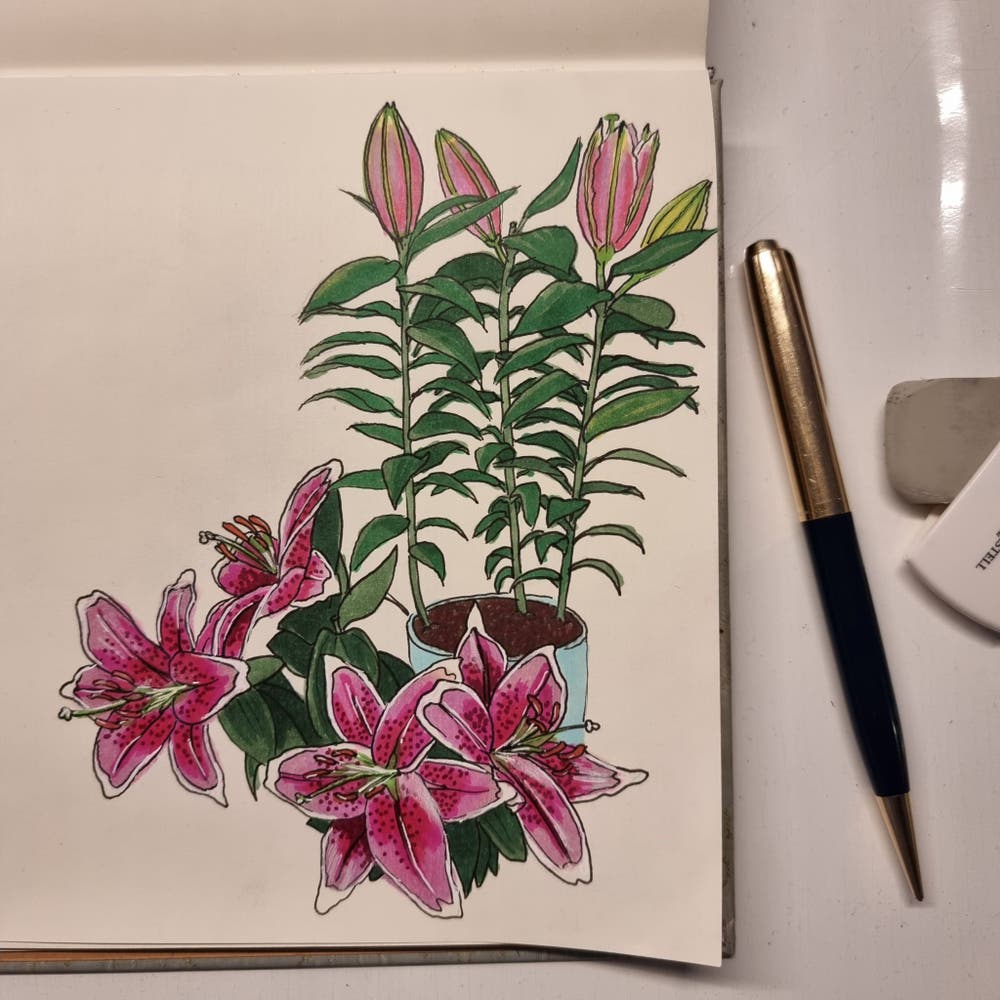
Tiger Lilies, with their bold spots and vibrant orange petals, aren't just a feast for the eyes. These flowers carry a backpack of symbolism, each petal practically dripping with meaning. In various cultures, they're like a thumbs-up for wealth and prosperity, a high-five for good fortune. They've been a go-to for centuries when you want to say "Hey, I admire your confidence and strength" without uttering a word.
🌼 Blooming Patterns and Meaning
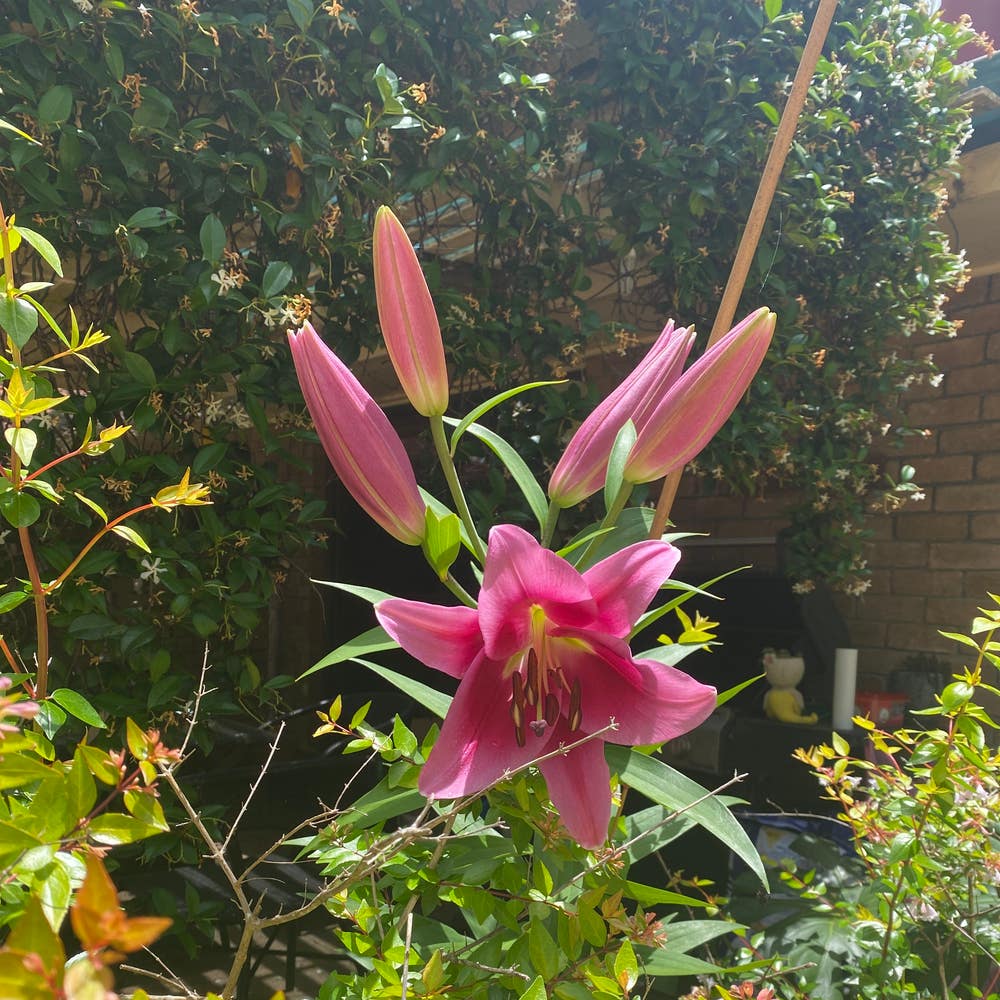
The way Tiger Lilies bloom can be like a secret handshake between nature and symbolism. A full, lush bloom might scream "Look at me, I'm all about abundance and pride!" Meanwhile, a more modest display could be nature's way of whispering about potential yet to be realized. It's all in the timing and vigor of the bloom – a living, breathing emoji of nature's intent.

Encouraging Tiger Lily Flowers to Bloom
🌱 Optimal Soil Conditions
To get those Tiger Lilies blooming, think rich, think organic. Your soil should be the life of the party—well-drained and nutrient-packed. Heavy clay or sandy soils? No worries. Just toss in an inch of compost like you're spicing up a bland stew. It's like giving your lilies a five-star bed to snooze in before the big bloom bash.
🌼 Fertilization: The Secret Sauce
Now, let's talk food. A sprinkle of 5-10-5 fertilizer in mid-fall sets the stage for next year's floral show. It's like a slow-release energy drink for your lilies. Alternatively, an annual compost top-up can be your go-to move. It's the all-you-can-eat buffet for your garden's VIPs.
💧 Watering Techniques
Watering is less about the routine and more about the vibe. Regular rainfall? Your lilies are probably chilling. But if the soil's as dry as a stand-up comedian's wit, it's time to bring the rain yourself. Keep it consistent, not a flood followed by a drought. Think of it as keeping the rhythm on the dance floor—steady beats keep the party moving.
🌞 Sunlight and Shade: The Dance
Tiger Lilies love the spotlight but won't say no to a bit of shade from the afternoon heat. They're the cool kids that can hang anywhere, as long as they get their six hours of fame under the sun. It's their version of a daily spa session.
🎨 The Final Touches
Remember, these lilies are more self-reliant than a teenager claiming independence. But a little deadheading can keep them looking sharp and extend the bloom time. It's like a quick wardrobe change to keep them fresh for the encore.

Overcoming Blooming Obstacles
🐛 Identifying Common Pests and Diseases
Yellowing leaves on your Tiger Lily? That's a red flag for overwatering or poor drainage. Lily mosaic virus might also crash the party, and if it does, show no mercy—remove and destroy the infected plants. Lily leaf beetles and aphids? They're uninvited guests too. Spot them early and send them packing with neem oil or by handpicking the adult beetles.
🌸 Adjusting Care for Optimal Blooming
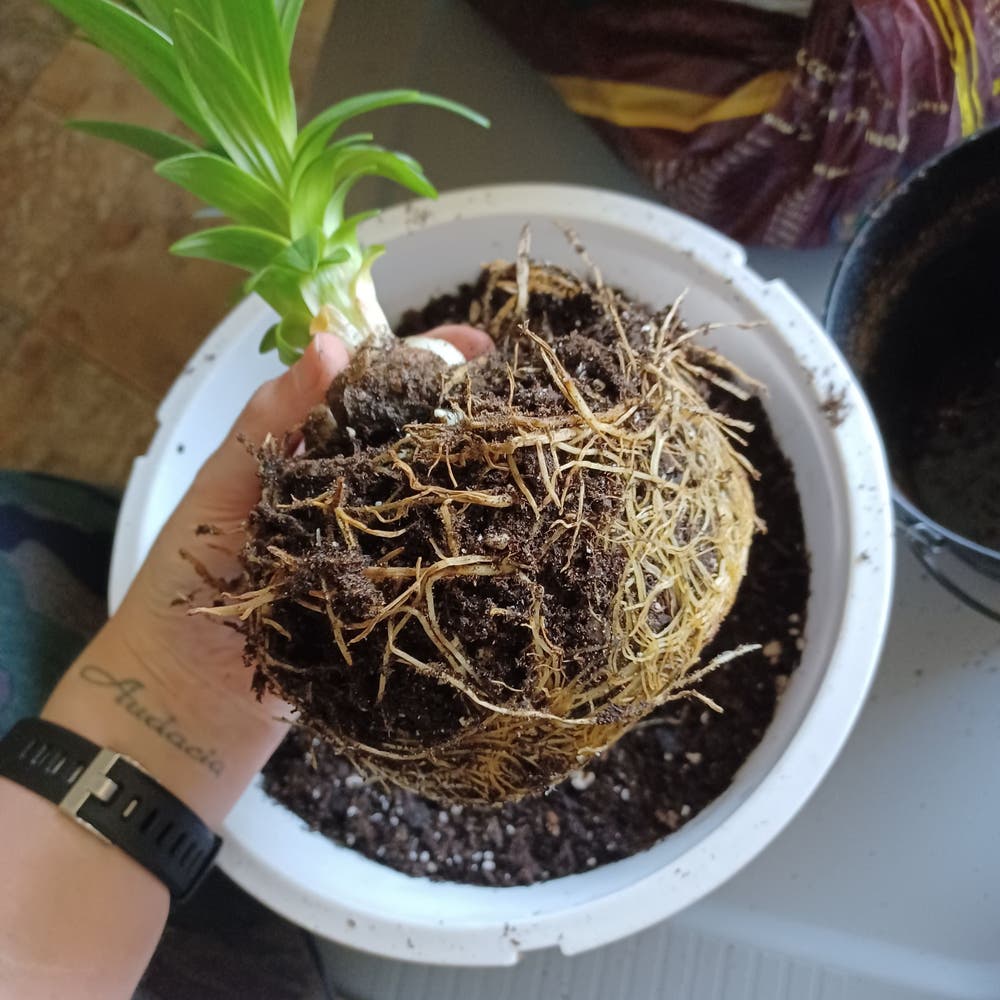
If your Tiger Lilies are more droopy than a teenager on Monday morning, it's time to let the soil dry out a bit between waterings. Bud drop got you down? Avoid playing musical chairs with your plant's location once the buds are set. And remember, Tiger Lilies are like that low-maintenance friend who still looks fabulous without trying—minimal care, maximum impact. But if they're feeling cramped, don't hesitate to give them more space by repotting or dividing the bulbs.
🚱 Preventing Waterlogged Woes
Winter's coming? A little mulch can go a long way to keep your bulbs cozy. But don't let them swim in waterlogged soil—it's a surefire way to turn your Tiger Lily's winter into a soggy nightmare. Keep it dry, keep it safe.
🌿 Proactive Plant Care
Deadheading isn't a must, but if you want to extend the Tiger Lily's blooming party, feel free to snip away those spent blooms. And when it comes to fertilizing, think Goldilocks—not too much, not too little, but just right. Overzealous with the nutrient love? You might end up with a lush green plant that's all leaves and no flowers. Keep it balanced, and your Tiger Lilies will thank you with blooms that make your neighbors green with envy.

Prolonging the Beauty of Tiger Lily Blooms
🌼 Extending the Blooming Period
Deadheading is your first line of defense in the quest to prolong your Tiger Lily's show. Snip off those spent blooms to redirect energy back to the plant. It's like telling your Tiger Lily, "Hey, the show's not over yet!" Keep this up, and you might just squeeze out a few more encores.
💧 Keeping Cut Flowers Fresh
For cut Tiger Lilies, think of them as guests at a five-star hotel. Trim their stems a bit every couple of days to keep them drinking up water like it's going out of style. Swap out the water daily to keep it as fresh as their vibrant petals. And keep them cool – they're not fans of the sauna-like conditions next to your sunny windows.
🌿 The Right Environment
In containers, Tiger Lilies are like divas in the spotlight. Use unglazed clay pots for their breathability and ensure they have drainage holes. No one likes wet feet, especially not these beauties. Keep them in a sunny spot, but give them some shade when the sun's at its peak – they appreciate a little afternoon siesta.
💦 Watering Wisdom
When it comes to watering, it's a balancing act. Keep the soil moist while they're blooming, but let it dry out a bit between waterings. Overwatering is the fast track to a droopy, bloom-less Lily. It's like giving them a drink when they're not thirsty – they won't thank you for it.
🌱 Fertilization: Less is More
A little fertilizer goes a long way. Overfeeding is like force-feeding cake to someone who's full – unnecessary and a bit cruel. Stick to a balanced fertilizer and only during the growing season. After all, you want your Tiger Lilies to bloom, not to balloon.
✂️ Pruning Pointers
When pruning, be gentle. It's a haircut, not a head shave. Cutting too many leaves can leave your Tiger Lily unable to perform its floral magic. And keep an eye out for the dreaded lily beetles – they're the uninvited guests at your garden party.
Interpreting Tiger Lily Blooms
🌺 The Symbolism Unveiled
Each Tiger Lily bloom is a visual manifesto of its inherent symbolism. The fiery petals, spotted with dark markings, speak to the flower's association with strength and resilience, while their open form suggests a welcoming of abundance and prosperity.
🌱 Attentive Care: The Key to Meaning
Attentive care is paramount. It's the gardener's dedication that allows these symbols to flourish. Proper watering, soil management, and pest control are not just chores; they're acts of nurturing that let the Tiger Lily's symbolism shine.
🌼 Blooms as a Reflection of Care
A Tiger Lily's bloom can be a barometer for its wellbeing. Long-lasting, robust flowers signal optimal care, while fleeting blooms may hint at underlying stress factors. It's a reminder that the beauty we admire is a direct result of our actions and attentiveness.
🌿 Final Thoughts on Care and Expression
In the end, the Tiger Lily's blooming is a dance between nature and nurture. The attentive gardener who provides the right conditions is rewarded with a garden full of symbols, each flower a testament to the symbiosis of care and beauty.
⚠️ Safety First
This content is for general information and may contain errors, omissions, or outdated details. It is not medical, veterinary advice, or an endorsement of therapeutic claims.
Always consult a qualified healthcare professional before using any plant as food, medicine, or supplement.
Never eat any plant (or feed one to pets) without confirming its identity with at least two trusted sources.
If you suspect poisoning, call Poison Control (800) 222-1222, the Pet Poison Helpline (800) 213-6680, or your local emergency service immediately.
Spotted an error? Please report it here.
Ensure your Tiger Lilies embody their full potential 🌺 with Greg's tailored watering and fertilization reminders for blooms that truly symbolize prosperity and strength.