🐅 Choosing Fertilizer For My Tiger Lily
Lilium lancifolium
By the Greg Editorial Team
Jun 18, 2024•7 min read
This article was created with the help of AI so we can cover more plants for you. May contain errors. See one? Report it here.
Boost your Tiger Lily's bloom power 🌺 with the ultimate guide to selecting the right fertilizer!
- Balanced NPK ratio is key for Tiger Lily health and blooming.
- 🌱 Organic vs. synthetic: choose based on Tiger Lily's growth stage.
- Over-fertilization signs: yellowing leaves, burnt tips; flush soil to correct.
Understanding Tiger Lily's Nutritional Needs
Tiger Lilies, with their vibrant blooms and striking appearance, demand a balanced diet to flourish. Let's dive into the nitty-gritty of their nutritional needs.
💪 Nitrogen (N)
Nitrogen is the go-to nutrient for fostering lush, green growth. It's the muscle behind the robust foliage that sets the stage for those fiery flowers. But beware, too much nitrogen and you'll get all leaves and no action—think of it as the plant version of skipping leg day.
🌿 Phosphorus (P)
Phosphorus steps in to fortify everything from roots to buds. It's the unsung hero ensuring your Tiger Lilies don't just look good, they're tough enough to withstand a garden showdown. If your blooms are lackluster, it might be time to boost this key player.
💧 Potassium (K)
Potassium keeps your Tiger Lilies on their toes—hydrated, breathing, and ready to fend off diseases. Spot yellow-edged leaves? That's your cue; these plants are crying out for some potassium TLC.
Identifying Nutrient Deficiencies
Now, if your Tiger Lilies are looking a bit off, it's detective time. Yellow or brown leaves can signal a deficiency, while too much greenery hints at a nitrogen party gone wild. Keep an eye out for these signs, and you'll be one step ahead in the garden game.
Identifying Nutrient Excesses
Conversely, if your Tiger Lilies are more leaf than flower, you might be dealing with a nitrogen overdose. Dial it back, and let those blooms take center stage. Remember, balance is key—too much of a good thing can turn your garden drama into a tragedy.

Comparing Fertilizer Options for Tiger Lily
Navigating the fertilizer maze for your Tiger Lilies? Let's break it down.
🌱 Organic vs. Synthetic Fertilizers
Organic fertilizers are the slow-release, eco-friendly option. They not only feed your lilies but also enrich the soil over time. Think of them as a gourmet meal for your plants, with added benefits for the earthworms and microbes throwing a party underground. On the flip side, they're not the go-to for a quick fix; they take their sweet time to break down and get to work.
Switching gears, synthetic fertilizers are the fast-food equivalent in the plant world. They offer a rapid nutrient hit, tailored to your lilies' immediate needs. However, they're like that one guest at a party who doesn't help clean up—your soil won't be thanking you later. Plus, overuse can lead to nutrient run-off, which isn't exactly giving Mother Nature a high-five.
🌿 Choosing the Right Type
When your Tiger Lilies are just starting out, they're like teenagers—hungry for growth. A balanced, slow-release organic option can set a strong foundation. As they gear up to flower, consider a synthetic boost to encourage those vibrant blooms. Just remember, moderation is key; you don't want to end up with the botanical equivalent of a sugar rush.
🌱 Growth Stage Considerations
Young plants? They're finding their feet, so keep it gentle with a mild organic mix. As they mature and the flowering stage approaches, you might opt for a synthetic blend, with a higher phosphorus content to encourage those show-stopping blooms. After the fanfare, ease them into their rest phase with a nutrient-light organic meal.
Remember, fertilizing isn't a one-size-fits-all deal. Your Tiger Lilies' diet should adapt as they grow. Keep an eye on them—they'll tell you what they need. Too much leafy growth and no flowers? Ease up on the nitrogen. Sparse blooming? Phosphorus is your new best friend. And always, always water after feeding—think of it as chasing down the nutrients with a good drink.

Timing Fertilizer Application for Optimal Blooming
Spring is the starting gun for fertilizing Tiger Lilies. As they poke their heads out and commence growth, that's your cue. Apply a balanced granular fertilizer—something like a 10-10-10 NPK ratio—gently scratching it into the soil around the emerging shoots.
🌱 During the Growing Season
As summer heats up and your Tiger Lilies strut their stuff, consider a second round of fertilizer. Opt for a higher phosphorus mix to encourage those show-stopping blooms. Think of it as the plant's backstage pass to a stellar flowering performance.
🍂 Post-Blooming Care
After the curtain falls on blooming, it's not time to slack off. Mid-fall, show your plants some love with a 5-10-5 fertilizer to set the stage for next year's show. Alternatively, an inch of compost can act as a nutrient-rich blanket, tucking your lilies in for the winter.
💧 Watch Your Water
Remember, after any fertilizer application, watering is key. It's like mixing a cocktail—the ingredients need to blend. Water helps nutrients reach the roots, where the real party happens.
🚫 Keep It Real
Don't get trigger-happy with liquid fertilizers; they're potent and can lead to more leafy groupies than flowers. And always, always avoid direct contact with the foliage to prevent a horticultural hangover known as fertilizer burn.
🎵 The Takeaway
Timing and technique matter. Think of fertilizing as the rhythm section of your garden's band—without it, there's no groove, and without the groove, there's no bloom.

Best Practices for Fertilizer Application
When it comes to fertilizing Tiger Lilies, think precision, not guesswork.
💎 Granular Fertilizers: The Slow and Steady Approach
For granular types, a balanced 10-10-10 NPK ratio hits the sweet spot. Scratch the granules into the soil near the root zone, not on the plant itself. This is a spring ritual, folks.
🚰 Liquid Fertilizers: The Quick Fix
Liquid fertilizers are like a shot of espresso for your lilies. Apply them directly to the soil, or if you're feeling adventurous, use them as a foliar feed—just ensure it's more of a mist and less of a monsoon.
💧 Watering: The Nutrient Highway
Post-fertilization, water is your best friend. It's the chauffeur that drives nutrients to the roots. Without it, you're just sprinkling potential on dry earth.
🔄 Frequency: Less is More
Remember, overzealous fertilizing is a no-go. Follow the recommended rates and keep a calendar if you must. It's about consistency, not quantity.
🌱 Soil Testing: Don't Fly Blind
Soil tests aren't just for the nerdy gardeners; they're your roadmap. They tell you what your soil is lacking, so you don't end up feeding your lilies a buffet when they just need a snack.
🕒 Application Timing: Sync with Nature
If you can time your fertilizer application with a gentle rain, you've hit jackpot. Otherwise, a good watering will do. Just don't drown them in enthusiasm.
⚠️ Over-Fertilization: The Ugly Side
Watch for signs of too much love—burnt leaves, stunted growth. If you've gone overboard, it's time to flush out the excess with water and hope your lilies are the forgiving type.
Stick to these practices, and you'll be the maestro of a blooming Tiger Lily orchestra.
Recognizing and Correcting Over-Fertilization in Tiger Lilies
🚨 Common Signs of Over-Fertilization
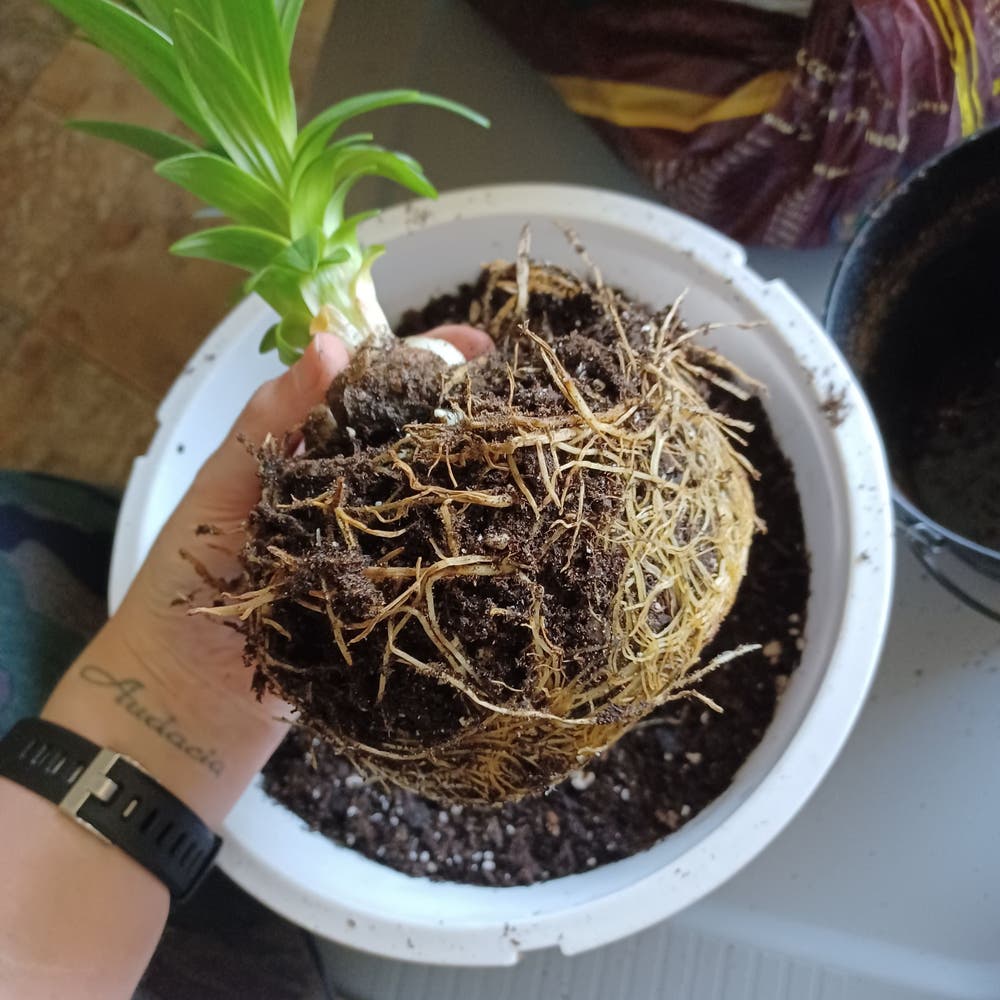
Yellowing leaves or brown tips can be your first clue that your Tiger Lily is getting more food than it can handle. If the roots look more like they've been through a barbeque than a growth spurt, you've likely overdone it with the fertilizer. Wilting leaves when the soil is wet is another red flag. And if you see a crust of fertilizer on the soil, it's like your plant is telling you, "I'm on a diet, back off with the nutrients!"
🔄 Steps to Rebalance Soil Nutrients
First, remove any visible fertilizer from the soil's surface; it's like taking away the all-you-can-eat buffet when your guest is already stuffed. Next, give your garden a good flooding; think of it as flushing out the excess with a tidal wave of H2O. Trim the damaged leaves; they're not coming back to life. If you're dealing with potted plants, consider repotting with fresh soil to give them a clean slate.
🛡️ Preventing Future Over-Fertilization
To avoid a repeat, test your soil before you even think about fertilizing. When you do fertilize, water like you're putting out a fire to help those nutrients spread out. Consider using organic compost for a slow-release option that's less likely to cause an overdose. And remember, more water in your liquid fertilizer mix can prevent a nutrient pile-up.
Remember, your Tiger Lily doesn't need a feast of nutrients to flourish, just a well-balanced diet. Keep an eye on it, and you'll have a blooming buddy that's the envy of the neighborhood.
⚠️ Safety First
This content is for general information and may contain errors, omissions, or outdated details. It is not medical, veterinary advice, or an endorsement of therapeutic claims.
Always consult a qualified healthcare professional before using any plant as food, medicine, or supplement.
Never eat any plant (or feed one to pets) without confirming its identity with at least two trusted sources.
If you suspect poisoning, call Poison Control (800) 222-1222, the Pet Poison Helpline (800) 213-6680, or your local emergency service immediately.
Spotted an error? Please report it here.
Ensure your Tiger Lilies get just the right amount of nutrients with Greg's customized 📅 fertilizing schedule, avoiding over-fertilization for luscious, healthy blooms.