🐅 Why Are My Tiger Lily Leaves Droopy?
Lilium lancifolium
By the Greg Editorial Team
Jun 18, 2024•6 min read
This article was created with the help of AI so we can cover more plants for you. May contain errors. See one? Report it here.
Discover the secret to perky Tiger Lily leaves 🌿 and a thriving garden with this must-know care guide.
- Overwatering and underwatering both lead to droopy leaves, check soil moisture.
- 🌞 Six hours of sunlight needed; adjust plant position seasonally.
- Temperature between 60-75°F and balanced humidity keep leaves perky.
Identifying Overwatering and Underwatering Symptoms
💦 Overwatering: The Soggy Culprit
Overwatering can turn your Tiger Lily's abode into a swampy mess. If the leaves feel like overcooked pasta—limp and soft—you're likely dealing with too much water. A constant state of wet soil is another giveaway. Blisters on leaves or a general yellowing can also signal that your plant's roots are gasping for air.
🏜️ Underwatering: The Thirsty Offender
On the flip side, underwatering leaves your Tiger Lily as parched as a desert. Crispy, curling leaves are crying out for hydration. If the soil is dry and pulling away from the pot, it's a clear SOS. Yellow leaves and stunted growth are your plant's way of saying, "Water me, stat!"
The Feel Test: Crispy vs. Mushy
Confused? Here's a quick tip: feel the leaves. If they snap like a brittle cracker, you've been stingy with the water. If they squish like a rotten tomato, you've overdone it. Trust your touch—it's the most straightforward plant whisperer you've got.
The Weight and Look Check
Lift the pot. A heavy container might mean you're in overwatering territory, while a light one suggests drought conditions. Observe the leaves post-watering; a quick perk-up means thirst, while continued droopiness hints at overindulgence. Remember, your Tiger Lily isn't a drama queen—it's just trying to survive.

Soil Quality and Root Health
🌱 The Root of the Problem
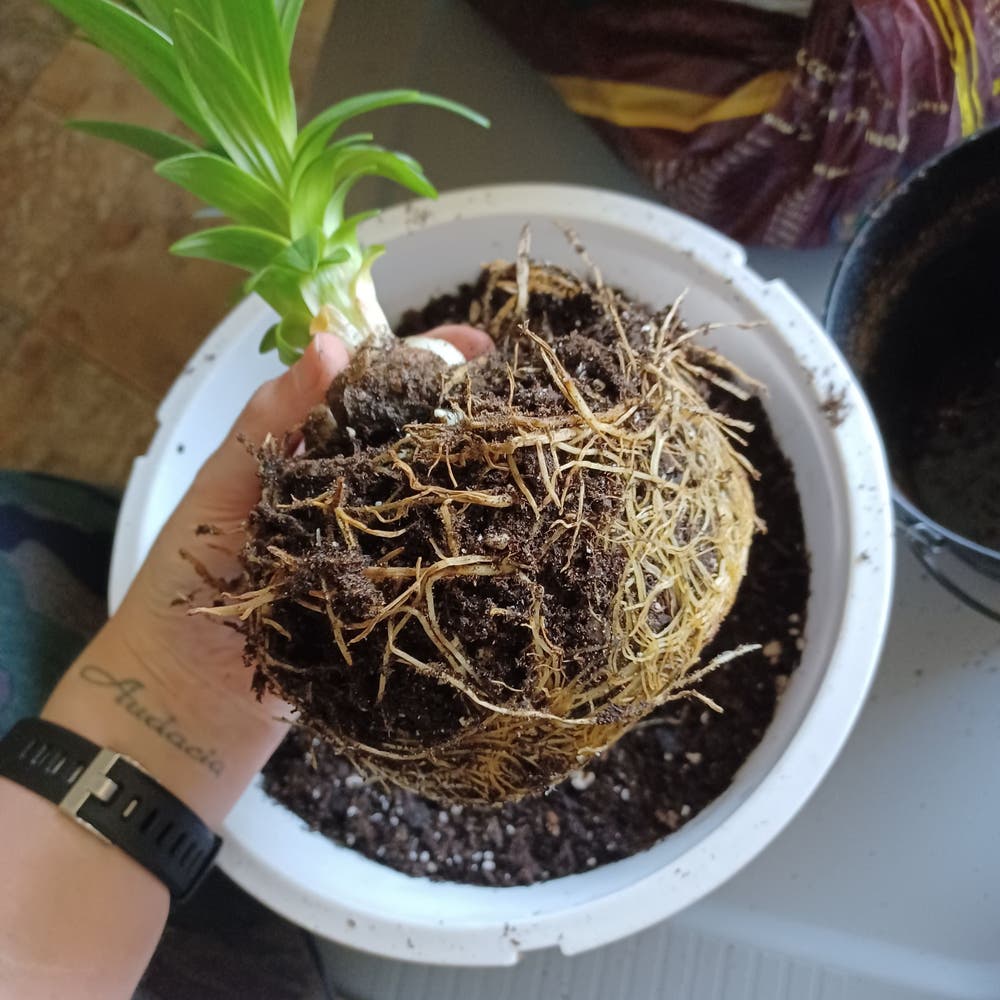
Poor drainage is often the culprit behind droopy Tiger Lily leaves. Waterlogged soil can lead to root rot, a silent assassin that creeps up on the unsuspecting bulbs.
🌧️ The Drain Game
To combat this, ensure your soil is the MVP of moisture management. Mix in perlite or coarse sand to improve drainage, letting the roots breathe easy.
🏺 Potting Pointers
When repotting, choose a pot that's a size up with drainage holes. This isn't just about upsizing; it's about giving your plant's roots room to groove without drowning.
📈 Soil pH and Fertility
Keep your soil's pH slightly acidic to neutral. If your soil is more lackluster than blockbuster, it's time to enrich it with organic matter like compost. Think of it as upgrading your plant's digs from a cramped studio to a spacious loft.
🔄 Consistency is Key
Regular soil checkups keep you in the loop of your plant's needs. Aim for the Goldilocks zone of moisture—not too wet, not too dry. It's all about finding that sweet spot.

Light Requirements and Droopy Leaves
💡 Insufficient Light: The Culprit Behind Droopiness
Tiger Lilies are sun-seekers; they need their daily dose of light to stand tall and proud. Without it, they slump, a clear sign they're not getting enough. Six hours of direct sunlight is their sweet spot, but they're not divas about it. They'll tolerate some shade, especially from the harsh afternoon sun.
🌞 The Balancing Act of Light Exposure
Too much sun and your Tiger Lily leaves might as well be in a frying pan. Scorching is a no-go. Aim for that Goldilocks zone: bright but not direct, like a shady spot on a sunny day. If your plant's leaves are reaching skyward or looking a bit pale, it's time to play musical chairs with your pots and find a brighter spot.
🍂 Seasonal Light Adjustment
As the seasons change, so should your Tiger Lily's spot in the sun. Shorter days in fall and winter? It's time to maximize light exposure. Think of it as moving your plant closer to the stage when the theater dims the house lights.
👀 Long-Term Light Care
Keep an eye on your Tiger Lily's response to its light conditions. It's not about setting and forgetting; it's about tweaking and adjusting. Remember, a droopy Tiger Lily is a cry for help, a plea for more light. Don't ignore the signs.

Temperature Stress and Leaf Droop
Tiger Lilies are as particular about their temperature as Goldilocks was about her porridge—not too hot, not too cold. Extreme temperatures can cause their leaves to droop faster than a teenager's shoulders when told to clean their room.
🌡️ Recognizing Temperature Stress
When Tiger Lily leaves start to look more limp than a forgotten birthday balloon, it's a sign they're not happy with the thermostat setting. Heat stress may manifest as wilting leaves, while cold stress can turn them into a dark, mushy mess.
🌡️ Keeping Temperatures Just Right
To avoid turning your Tiger Lilies into a botanical reenactment of a sad movie, aim for a steady temperature between 60-75°F (15-24°C). If your plant's living quarters are more unpredictable than a plot twist in a telenovela, it's time to make some changes.
🌡️ Avoiding Temperature Extremes
Keep your lilies away from drafty windows and heat sources like radiators that could turn their environment into a plant sauna or igloo. Consistent temperatures are key—think of your plant's comfort zone as a VIP lounge that doesn't tolerate gatecrashers.
🌡️ Humidity and Temperature
Remember, humidity and temperature go together like peanut butter and jelly. Low humidity can amplify temperature stress, causing leaves to roll up tighter than a yoga mat. Keep the air around your Tiger Lilies as balanced as a zen master to prevent droopy drama.
🌡️ Long-Term Temperature Strategies
In the long run, consider using thermostats or environmental controls to keep the temperature as stable as your love for plants. During winter, guard against the chill by insulating your space, and in the heat, think about shades or fans to keep things cool without going arctic.
Addressing Nutrient Deficiencies
🌿 Identifying Nutrient Deficiencies
Nitrogen is often the missing piece in the droopy leaf puzzle of Tiger Lilies. Yellowing leaves starting from the lower parts of the plant are a telltale sign. It's like the plant is prioritizing its limited resources, sending them to the new growth and leaving the old leaves to fend for themselves.
🌱 Fertilization Techniques
To kick the nutrient levels up a notch, a balanced fertilizer is your go-to. Think of it as a multivitamin for your Tiger Lilies. A water-soluble type makes it easy for the plant to absorb what it needs. But remember, it's a fine line between nourished and overfed. Too much love in the form of fertilizer can lead to a nutrient overdose, making leaves droopier than before.
🌼 When to Fertilize
Timing is everything. Early in the growing season is prime time for fertilizing. It sets your Tiger Lilies up for success, giving them the boost they need to grow strong and bloom with confidence. If they're in containers, they'll be hungrier, craving a weekly dose of nutrients to keep up with their contained lifestyle.
🌱 How to Fertilize
Less is more. Start with half the recommended dose of fertilizer to avoid burning those precious roots. It's like seasoning food; you can always add more, but you can't take it away once it's in there. Observe how your Tiger Lilies respond and adjust accordingly. They'll let you know if you've hit the sweet spot.
⚠️ Safety First
This content is for general information and may contain errors, omissions, or outdated details. It is not medical, veterinary advice, or an endorsement of therapeutic claims.
Always consult a qualified healthcare professional before using any plant as food, medicine, or supplement.
Never eat any plant (or feed one to pets) without confirming its identity with at least two trusted sources.
If you suspect poisoning, call Poison Control (800) 222-1222, the Pet Poison Helpline (800) 213-6680, or your local emergency service immediately.
Spotted an error? Please report it here.
Keep your Tiger Lilies thriving 🌿 with Greg's custom soil moisture monitoring, ensuring your plants stay perfectly hydrated and droop-free!