🐅 Why Are My Tiger Lily Leaves Turning Yellow?
Lilium lancifolium
By the Greg Editorial Team
Jun 18, 2024•7 min read
This article was created with the help of AI so we can cover more plants for you. May contain errors. See one? Report it here.
Banish yellow leaves and ensure vibrant Tiger Lily health with targeted care strategies! 🌿💪
- Nutrient deficiencies like nitrogen, iron, and magnesium cause yellow leaves.
- 🚿 Overwatering and poor drainage can lead to yellowing—adjust watering and soil.
- 🌱 Regular inspections and care prevent pests, diseases, and nutrient issues.
Diagnosing Yellow Leaves in Tiger Lilies
💡 Identifying Signs of Nutrient Deficiencies
Nitrogen shortages turn leaves a pale green to yellow, starting with the older leaves. If your Tiger Lily is looking more like a pale imitation of its former self, it's time to consider a nitrogen boost.
Iron deficiency is a bit of a drama queen, showing off with yellow leaves that still have green veins – a classic case of chlorosis. It's like your plant is trying to maintain its veins while the rest of the leaf throws in the towel.
For a magnesium shortage, expect an all-over yellowing, as if your plant decided to try on a yellow filter. It's the whole leaf saying, "I'm not getting what I need here!"
🚰 Assessing Watering Issues
Overwatering is the helicopter parent of plant problems – too much of a good thing. Look for soggy soil and a general droopiness, like the plant's had one too many. Let the top few inches of soil dry out before you water again. It's tough love, but your Tiger Lily will thank you.
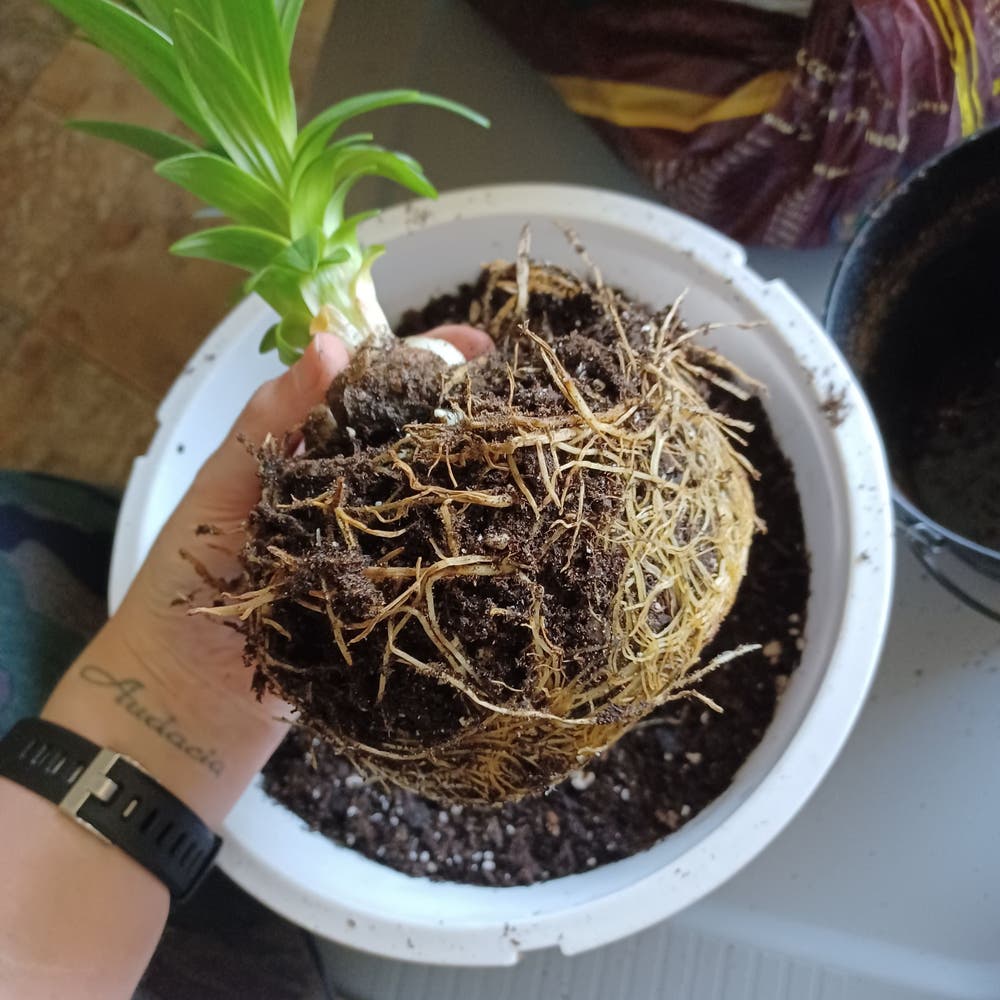
Poor drainage is the bad roommate scenario – water just doesn't leave. If your plant's feet are always wet, it's time to improve that living situation. Consider amending the soil or, in extreme cases, rehoming your bulbs to a bed with better drainage. Remember, nobody likes wet feet, especially not plants.

Addressing Nutrient-Related Yellowing
🌱 Soil Amendments
Nutrient deficiencies can turn your Tiger Lily's leaves yellow faster than a banana left in the sun. To combat this, you need the right fertilizer. A balanced mix might do the trick, but for specific shortages, you'll want targeted solutions. Nitrogen deficiency? Go for a fertilizer high in this element. Iron or magnesium more your issue? There are fertilizers for those, too. Remember, more is not always better; stick to the recommended rates to avoid nutrient burn.
🧪 pH Adjustment
Getting your soil pH right is like finding the perfect pair of jeans – it just makes everything better. Too acidic or alkaline, and your Tiger Lilies can't access the nutrients they crave. Grab a pH test kit and get to work. If you need to lower pH, sulfur products are your friends. Need a boost? Lime will raise the pH. Just be patient; these changes don't happen overnight. Keep testing and adjusting until you hit that sweet spot, typically between 6.0 and 6.5 for Tiger Lilies.

Correcting Watering and Drainage Problems
💧 Balancing Watering Routines
Consistency is your Tiger Lily's best friend when it comes to watering. Forget the calendar; your plant doesn't care if it's Tuesday or Sunday. Instead, check the soil moisture before each watering. Aim for damp, not drenched. Overwatering leads to a sad, soggy mess, while underwatering turns your lilies into a dry, yellow wasteland.
🌱 Enhancing Soil Drainage
Good drainage is like a life jacket for your Tiger Lilies—it keeps them from drowning in excess moisture. If your soil clings like a stage-five clinger, it's time to intervene. Mix in perlite or coarse sand to loosen up that clingy soil. This isn't just about survival; it's about giving your plants the foundation for thriving.
🚰 Drainage Layer
A drainage layer might just be the unsung hero in your pot. A layer of pebbles at the bottom acts like a mini drainage system, keeping those roots from getting waterlogged. It's a simple step, but it's like giving your plants a first-class ticket to Healthy Root Town.
💦 Watering Schedule
When it comes to watering, your finger is the best tool. Stick it in the soil; if the top inch is dry, it's time to water. If it's damp, hold your horses. And when you do water, make it rain—let the water flow through the soil, not pool on top. This isn't a puddle party; it's a hydration station.
Remember, your Tiger Lilies aren't looking for a swim—they just want a drink. Keep the soil moist but not soggy, and you'll have happy, vibrant lilies that stay a striking green, not a sickly yellow.

Managing Pests and Diseases
🐛 Identifying and Treating Pests
Insect invaders can turn your Tiger Lily's leaves yellow. Mealybugs, spider mites, and aphids are the usual suspects. They suck the life out of leaves, leaving them discolored. Check for tiny webs or sticky residues. If you spot them, it's time to spring into action.
Insecticidal soaps or neem oil are your go-to for a quick fix. They're effective and less harsh on the environment. For a hands-on approach, wipe or spray pests directly. Remember, over-fertilizing is like setting out a buffet for bugs, so keep it balanced.
🦠 Preventing Common Diseases
Fungal and bacterial infections love to crash the party, especially when conditions are damp. Yellowing leaves may signal trouble. Remove affected foliage to stop the spread. Improving air circulation is also key; give your plants some breathing room.
Fungicides can be a necessary evil when battling persistent diseases. But, prevention beats cure. Water wisely to avoid overly moist conditions that fungi adore. Monitor your plants regularly for signs of distress. If you're unsure, a soil test can shed light on underlying issues.
Isolation is crucial if you detect a disease. It's like putting your plant in quarantine to protect its neighbors. And if you're dealing with a full-blown infestation, it might be time to call in the pros. Certified specialists can tailor a treatment plan that's just right for your garden's unique ecosystem.
Preventive Care to Avoid Yellowing Leaves
👀 Routine Plant Inspections
Early detection is your ally in the battle against yellowing leaves. Make it a habit to scrutinize your Tiger Lilies like a hawk eyeing its prey. Look for subtle changes in leaf color or texture that could signal trouble. This isn't just about aesthetics; it's about nipping potential issues in the bud before they escalate into full-blown problems.
🌱 Optimal Planting Practices
Tiger Lilies aren't just another pretty face; they demand their personal space. Proper planting depth and spacing are crucial for their well-being. Plant bulbs at a depth three times their height and space them about a foot apart. This gives them ample room to strut their stuff without stepping on each other's toes. Remember, overcrowding is a recipe for disaster—it's like stuffing too many divas in a single dressing room.
🕳 Ensuring Proper Depth
Dig deep—literally. Planting Tiger Lily bulbs too shallow can expose them to the harsh elements, while going too deep might turn them into reluctant bloomers. Aim for the Goldilocks zone: just right.
🚶♂️ Spacing for Success
Think of your garden as a dance floor. Each Tiger Lily needs enough room to perform its best moves without bumping into its neighbors. Overcrowding can lead to a lackluster performance and increase the risk of disease spread.
🌱 Staking Tall Growers
Some Tiger Lilies have the aspirations of skyscrapers. If they're reaching for the stars, give them a stake to lean on. This isn't just about support; it's about preventing a botanical faceplant.
🏞 Soil Quality
Rich, free-draining soil is the Tiger Lily's best friend. It's like choosing a luxury apartment with great plumbing—non-negotiable for a high-maintenance resident.
🍂 Fall Care
When autumn leaves start to fall, don't let your Tiger Lilies feel neglected. A little 5-10-5 fertilizer or a cozy blanket of compost can set the stage for a show-stopping performance next year.
💀 Deadheading
After the curtain falls on the blooming season, deadhead those spent flowers. It's not just for curb appeal; it's about channeling your plant's energy into coming back stronger next season. Plus, it keeps the garden looking sharp, like a well-kept beard.
Regularly engaging in these preventive care practices can help ensure that your Tiger Lilies remain the vibrant, show-stopping flowers they're meant to be, free from the dreaded yellowing that can dim their brilliance.
⚠️ Safety First
This content is for general information and may contain errors, omissions, or outdated details. It is not medical, veterinary advice, or an endorsement of therapeutic claims.
Always consult a qualified healthcare professional before using any plant as food, medicine, or supplement.
Never eat any plant (or feed one to pets) without confirming its identity with at least two trusted sources.
If you suspect poisoning, call Poison Control (800) 222-1222, the Pet Poison Helpline (800) 213-6680, or your local emergency service immediately.
Spotted an error? Please report it here.
Banish yellow leaves 🍂 from your Tiger Lilies with Greg's custom watering reminders and soil moisture tips, ensuring they stay as vibrant as your green thumb ambitions!