🐅 Why Are My Tiger Lily Leaves Dropping?
Lilium lancifolium
By the Greg Editorial Team
Jun 18, 2024•7 min read
This article was created with the help of AI so we can cover more plants for you. May contain errors. See one? Report it here.
Prevent tiger lily despair 🐯🌿 by tackling leaf drop with our expert gardening insights!
- Overwatering and poor drainage cause yellowing and leaf drop in tiger lilies.
- Monitor for pests like aphids and lily leaf beetles, and manage diseases.
- Balance fertilization based on soil tests to prevent nutrient-related leaf drop.
Identifying the Signs of Leaf Drop in Tiger Lilies
🌧️ Early Symptoms
Yellowing leaves on your tiger lily? Overwatering or poor drainage could be the culprits. A droopy demeanor or a bloom shortage also screams too much moisture.
🔄 Patterns of Leaf Drop
The lower stalk foliage fades first in late summer, less noticeable if your tiger lilies are back-row garden divas. By late fall, a yellow leaf ensemble means it's time for a stalk-level haircut.
🐛 Recognizing Pests and Diseases
Keep your eyes peeled for the lily leaf beetle and aphids—they're not just leaf munchers but potential plant health saboteurs. Spotted any orange or blackish-brown leaf spots? Could be a disease RSVPing to the leaf-drop party.
💦 Moisture Management
Tiger lilies bloom late, flaunting their orange speckled petals. Ensure they're not drowning in love—let the topsoil dry between waterings. Deadheading isn't a must, but it's like giving your lilies a second wind for blooming.
🔍 Inspecting the Foliage
Take a leaf out of the detective's book and inspect closely. Are the leaves just tired, or is it a full-blown leaf apocalypse? Context is key—isolated incidents or a garden-wide plot twist?
🌿 Environmental Clues
Tiger lilies dig the semi-shady life—sun-kissed flowers with cool roots. They're not high-maintenance, but they do whisper for even moisture and a mulch blanket during dry spells.
Remember, your tiger lily isn't just dropping leaves for fun. It's a cry for help, a plant's way of waving a white flag. So, tune in and troubleshoot—your green thumb and tiger lilies will thank you.

Addressing Environmental Stress to Prevent Leaf Drop
💧 Watering Wisdom
Watering your Tiger Lilies can feel like a high-stakes game of Goldilocks – too much, and you're inviting root rot; too little, and you're courting drought. The trick is to keep the soil consistently moist without making it soggy. Let the top inch dry out before giving it a drink, and always empty the saucer to avoid wet feet. It's like a spa day for your lilies – hydration without the overindulgence.
🌦 Weathering the Weather
Extreme weather is the nemesis of the Tiger Lily's composure. Shield your plants from the drama of temperature tantrums by providing a stable environment. If it's too hot, consider some afternoon shade; if it's too cold, a layer of mulch can act like a cozy blanket. And remember, no plant enjoys a draft, so keep them away from those sneaky breezes that could stress them out.
🌱 Soil and Root Health
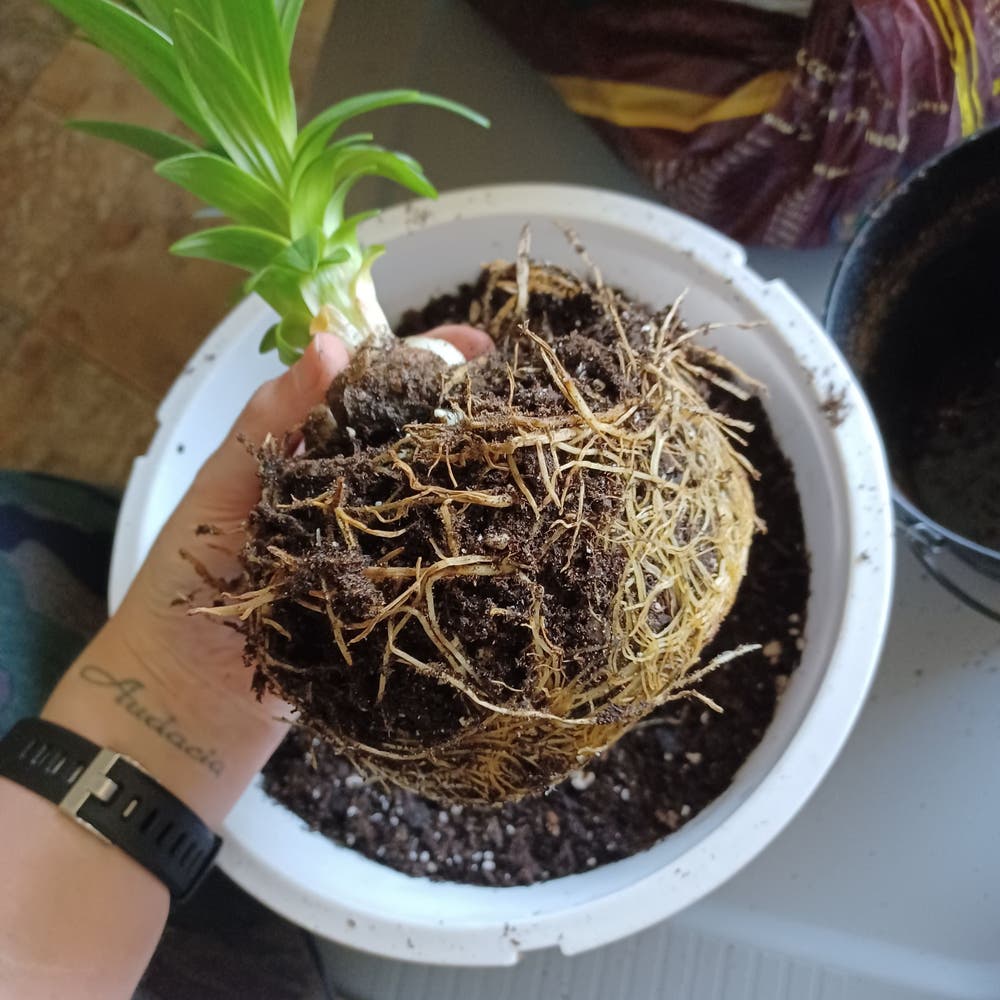
Your Tiger Lily's roots crave a breathable space. To avoid the dreaded "soggy soil syndrome," ensure your soil mix is well-draining. Think of it as giving your plant's roots room to breathe in a cotton tee instead of a stuffy polyester suit. Perlite or coarse sand can be the difference between thriving and diving.
🍂 Seasonal Sensibility
Adjust your care with the seasons. More water may be needed in the heat, less when it's cool. It's like changing your wardrobe with the seasons – your Tiger Lilies need to dress appropriately for the weather too.
🌿 Long-Term Love
Consistency is key. Forget about marking days on the calendar; your Tiger Lilies will tell you when they're thirsty. Keep an eye on the soil moisture and respond accordingly. It's a relationship, after all, and your plants need you to be attentive.
🌞 The Sun Factor
Light is life, but too much can be a death sentence. Position your Tiger Lilies where they'll get their daily dose of sunshine without getting scorched. It's like applying sunscreen – enough to protect, not so much that you block out all the good stuff.
💨 The Wind Wall
Harsh winds can be as brutal as a bad breakup for your Tiger Lilies. A strategic windbreak or a more sheltered spot can make all the difference. It's like giving your plants a shield in a medieval joust against the blustery elements.
Remember, your Tiger Lilies are more than just plants – they're living, breathing entities that react to their environment. Treat them right, and they'll brighten your garden with their resilience and beauty.

Correcting Nutritional Deficiencies to Maintain Leaf Health
Soil testing isn't just for the pros. It's the DIY secret to pinpointing what's missing in your Tiger Lily's diet. Yellow leaves? Could be a nitrogen no-show. Weak stems? Potassium might have left the party. Get the dirt on your dirt with a test.
🌱 The Nutrient Trio: N-P-K
💧 Nitrogen (N)
Leaves yellowing at the base? Nitrogen might be the culprit. Add a nitrogen-rich fertilizer, but don't go overboard—think diet, not all-you-can-eat buffet.
🌿 Phosphorus (P)
If your Tiger Lily's leaves have a reddish hue or the tips look burnt, it's time for a phosphorus boost. Bone meal or phosphate can get things back on track.
🌾 Potassium (K)
Weak stems and lackluster blooms scream for potassium. A dose of potash could be the fix. Remember, moderation is key—too much can cause more problems.
🌼 Micronutrients Matter Too
Don't overlook the small stuff. Magnesium, calcium, and copper deficiencies can also lead to leaf drop. Epsom salts for magnesium, gypsum for calcium, and a copper supplement should do the trick.
🌿 Balanced Fertilization: Less is More
A balanced fertilizer is like a multivitamin for your Tiger Lily. Apply it as directed—overfeeding is like dumping extra protein powder into your smoothie and expecting bigger muscles overnight.
🌱 Tailor Your Approach
Once you've got your soil test results, it's time to play plant doctor. Adjust your fertilization based on what's actually needed. It's like a tailored suit; off-the-rack solutions rarely fit perfectly.
Remember, correcting nutrient deficiencies is more art than science. Observe, test, and tweak. Your Tiger Lily will thank you with vibrant leaves that stay put.

Managing Pests and Diseases to Reduce Leaf Drop
🐞 Identifying Common Pests
Aphids and lily leaf beetles are the usual suspects when it comes to pests attacking Tiger Lilies. These critters can wreak havoc, causing leaves to drop prematurely. If you spot a sticky residue or discolored leaves, it's time to take action.
🌿 Treating Pest Infestations
For aphids, introducing beneficial insects like ladybugs can be an effective and natural solution. For more stubborn pests, neem oil or insecticidal soap can serve as organic bouncers, showing these invaders the door without leaving a chemical residue.
🦠 Recognizing Disease Symptoms
Bacterial leaf spot and fungal infections, such as leaf blight and daylily leaf streak, can also lead to leaf drop. Symptoms often include black or brown spots on leaves and a general appearance of distress in the plant.
🛡️ Disease Prevention and Control
Preventative measures are key. Ensure good air circulation and avoid wetting the leaves to reduce the risk of bacterial and fungal diseases. If you do spot disease, remove the affected leaves promptly and consider a fungicide if recommended for the specific issue.
✂️ Pruning for Plant Health
Regular pruning, especially removing dead or yellowing leaves in the fall, can help prevent both pest and disease problems. This also reduces hiding spots for pests and removes diseased material that can harbor pathogens.
🌱 Integrated Pest Management
Adopt an integrated approach to managing pests and diseases. This includes regular monitoring, cultural practices like proper watering and pruning, and the use of biological controls or pesticides only when necessary. This strategy minimizes harm to the environment and beneficial organisms while keeping your Tiger Lilies healthy.
⚠️ Safety First
This content is for general information and may contain errors, omissions, or outdated details. It is not medical, veterinary advice, or an endorsement of therapeutic claims.
Always consult a qualified healthcare professional before using any plant as food, medicine, or supplement.
Never eat any plant (or feed one to pets) without confirming its identity with at least two trusted sources.
If you suspect poisoning, call Poison Control (800) 222-1222, the Pet Poison Helpline (800) 213-6680, or your local emergency service immediately.
Spotted an error? Please report it here.
Prevent tiger lily troubles 🌿 by using Greg to monitor moisture and pests, keeping your blooms bright and leaves intact from season to season.