🐅 Why Are My Tiger Lily Leaves Falling Over?
Lilium lancifolium
By the Greg Editorial Team
Jun 18, 2024•7 min read
This article was created with the help of AI so we can cover more plants for you. May contain errors. See one? Report it here.
Prevent Tiger Lily despair 🐯🌿 with the ultimate guide to fixing those floppy leaves!
- Overwatering causes droopiness, adjust watering and soil for better drainage.
- 🌞 Six hours of sunlight needed for strong, upright Tiger Lily leaves.
- Combat pests and diseases with neem oil and good air circulation.
Identifying Overwatering and Waterlogged Soil
Yellowing leaves and a general droopiness can be your Tiger Lily's cry for help, often indicating overwatering or poor drainage. When the plant's vibrancy fades, it's time to take action.
🚱 Signs of Overwatering
- Soggy soil: If the soil feels more like a swamp than dry land, you've gone overboard with the watering can.
- Lack of blooms: Flowers are a no-show when roots are too busy swimming.
- Mushy bulbs: A clear sign that your Tiger Lily is drowning in excess moisture.
- Foul odor: That's not the smell of success; it's the stench of overwatered despair.
🔄 Steps to Correct Waterlogged Soil
- Let it dry: Ease up on the watering and give the soil a chance to break free from its waterlogged chains.
- Drainage check: Ensure your pots aren't holding water hostage; proper drainage holes are a must.
- Soil amendment: Mix in some sand or organic matter to help the soil find its backbone and improve drainage.
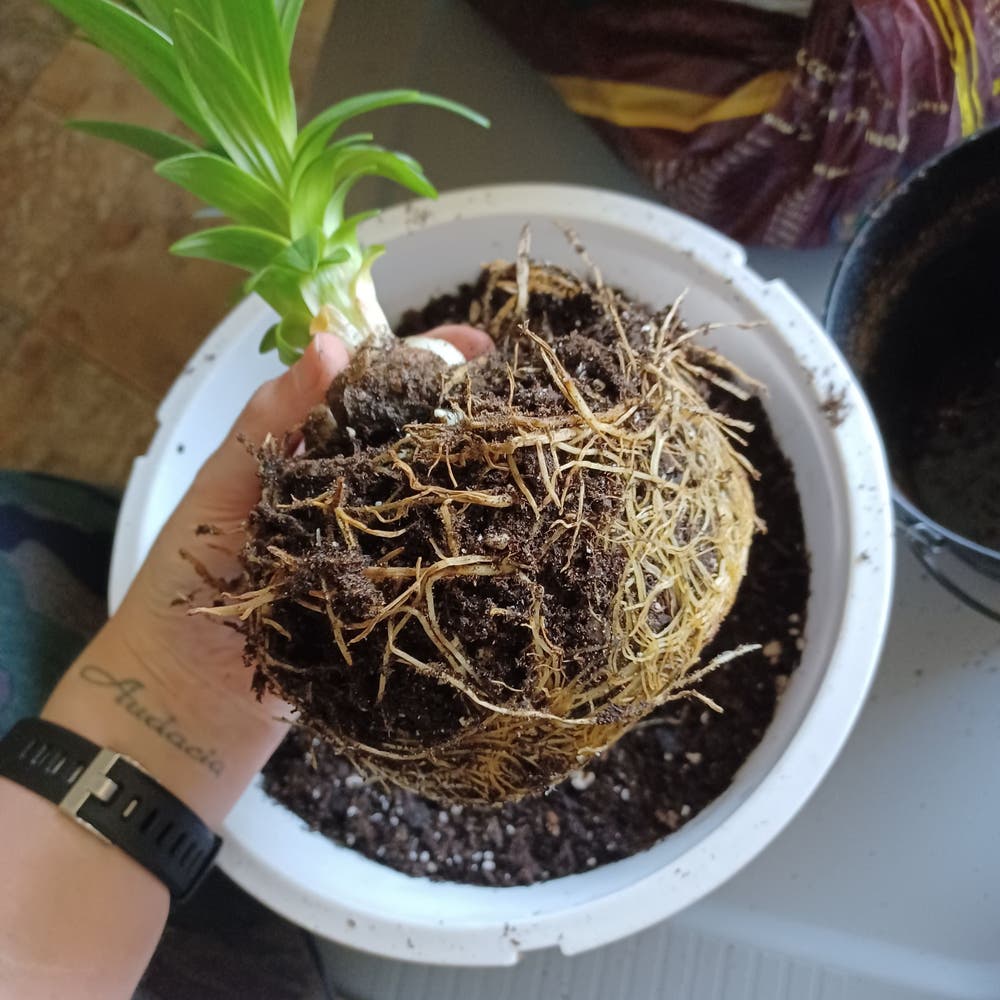
- Replant if necessary: Sometimes you've got to start fresh. If the soil's beyond saving, replant your Tiger Lily in well-draining soil to avoid a repeat performance.
Remember, Tiger Lilies are not aquatic plants. They don't need a daily dive; just a sip will do. Keep the watering balanced, and your Tiger Lily will stand tall and proud.

Ensuring Adequate Sunlight for Upright Growth
Tiger Lilies are sun-seekers, craving at least six hours of direct sunlight to maintain their regal posture. Insufficient light leads to the lanky, drooping demeanor of a plant that's given up on life's pageantry.
🚀 Spot the Signs
Weak stems and a general look of despair in your Tiger Lilies could be a cry for more sunshine. Brown leaf tips and spaced-out leaves are the plant's version of holding a sign that reads "Need more light."
💡 Let There Be Light
Relocate your Tiger Lilies to a sunnier spot, ensuring they bask in the glory of the sun's rays without getting a scorch. If the afternoon sun is too intense, a little shade won't hurt; think of it as sunscreen for your plants.
🌟 Artificial Sun
No sun? No problem. Grow lights can be a game-changer, mimicking the sun's effects without the risk of sunburn. LEDs or T5 fluorescents can be your Tiger Lily's winter sun.
🍂 Seasonal Shuffle
As the seasons change, so should your plant's position. Keep an eye on the light's dance across your space and adjust accordingly. Your Tiger Lily's upright leaves will thank you with a standing ovation.

Addressing Nutrient Deficiencies Affecting Leaf Strength
🌿 Identifying Symptoms of Nutrient Deficiencies
Yellowing leaves on your Tiger Lily may be a distress signal for help in the nutrient department. If the foliage looks more like a faded pair of jeans than the vibrant green it should be, you're likely dealing with a nitrogen shortage. Stunted growth? That's a red flag for phosphorus deficiency. And if the leaves are pale, especially between the veins, your plant could be crying out for magnesium or calcium.
🛠 Correcting Nutrient Imbalances
Time to play plant doctor and prescribe a balanced diet. Use a fertilizer that's like a multivitamin for your Tiger Lily, tailored to flowering plants. Stick to the recommended application rates and frequency; it's a fine line between nourishment and overindulgence. If you're not sure, ask a local gardening guru or opt for a product with a solid track record for similar plants. Watch your Tiger Lily's reaction closely and tweak your approach as needed. Remember, gardening is more art than science—adjust and adapt.
🌱 Practical Adjustments
- Balanced Fertilizer: A well-rounded fertilizer is your best bet. It's the equivalent of a well-balanced meal for your plant.
- Application Frequency: Don't get heavy-handed. More isn't always better. Follow the instructions to avoid the dreaded nutrient hangover.
- Organic Options: Consider organic fertilizers like animal manure or bonemeal. They're like the slow food movement for plants—nutrient-rich and sustainable.
- Foliar Feeding: For a quick fix, try foliar applications. It's like an IV drip of nutrients straight to the leaves, giving them a rapid boost.
Remember, the goal is to nurture strong, resilient Tiger Lilies that stand tall and proud, not just to slap on a quick fix. Keep an eye out for improvements and be ready to pivot your strategy. After all, what's gardening if not a constant lesson in patience and adaptability?

Combating Pests and Diseases That Cause Drooping Leaves
🕵️ Recognizing the Culprits
Lily leaf beetles and aphids are the usual suspects when it comes to pests attacking Tiger Lily leaves. These critters munch on foliage, causing it to weaken and droop. Keep an eye out for the telltale signs of damage and act swiftly.
⚔️ Swift Action Against Pests
Once you've identified an infestation, it's time to fight back. Neem oil is a natural and effective remedy. It's like arming your Tiger Lilies with a non-toxic shield against these tiny invaders. Apply as directed, usually in the cooler parts of the day to avoid leaf burn.
🍄 Fungal Foes
Fungal diseases can also cause leaves to sag. Remove any infected leaves with sterilized shears to halt the spread. A fungicide can be your next line of defense, but remember, it's not a cure-all. Always follow the label to a T.
🛡️ Prevention is Key
Keeping your Tiger Lilies happy involves more than just reacting to problems. Prevent pests and diseases by ensuring good air circulation and avoiding wet leaves. Think of it as setting up a no-fly zone around your plants.
👮♂️ Long-Term Vigilance
Regular inspections are crucial. Play detective and scrutinize your plants for early signs of trouble. It's better to catch these issues before they turn into a full-blown plant crime scene.
Adjusting Care Practices to Support Strong Foliage
💧 Water Wisely
Overwatering is the helicopter parenting of plant care—it means well but can smother your Tiger Lily's roots. Cut back on the H2O, especially during the plant's dormant season. If the soil feels like a wrung-out sponge, it's a green light to water.
🍽️ Feed, But Don't Fatten
Your Tiger Lily isn't at an all-you-can-eat buffet. Use a balanced fertilizer, but only during the growing season. Too much nitrogen and you'll get lush leaves at the expense of blooms. Think of it as a diet—moderation is key.
✂️ Prune with Precision
Snip off the sad, droopy leaves. It's not just a makeover; it's a strategic move to reroute nutrients to the winners. Pruning is like giving your plant a pep talk, encouraging it to grow strong and stand tall.
🌱 Mulch: The Unsung Hero
A layer of mulch is like a cozy blanket for your plant's roots. It keeps moisture consistent and the soil temperature stable. Just remember, don't pile it up against the stem—breathing room is crucial.
🌿 Soil pH: The Secret Handshake
Get to know your soil's pH level—it's like the secret handshake to plant health. If it's off, your Tiger Lily won't absorb nutrients, no matter how much you feed it. Test, then adjust; it's the undercover work that pays off.
🔄 Rotate for Equality
Give your Tiger Lily a twirl now and then. Equal sun exposure ensures balanced growth. It's like ensuring all your guests get equal face time at a party—no one likes to be left in the corner.
✂️ Pruning Aftercare
After pruning, hold off on the full-course meal of fertilizer. A light vitamin B complex is like a spa treatment for the roots, helping them recover from their trim.
🌞 Seasonal Sensibility
Adjust your care with the seasons. Less water in winter, more shade in summer. Your Tiger Lily's needs change with the calendar, and staying in tune with nature's rhythm keeps your plant jamming.
⚠️ Safety First
This content is for general information and may contain errors, omissions, or outdated details. It is not medical, veterinary advice, or an endorsement of therapeutic claims.
Always consult a qualified healthcare professional before using any plant as food, medicine, or supplement.
Never eat any plant (or feed one to pets) without confirming its identity with at least two trusted sources.
If you suspect poisoning, call Poison Control (800) 222-1222, the Pet Poison Helpline (800) 213-6680, or your local emergency service immediately.
Spotted an error? Please report it here.
Combat droopy Tiger Lily leaves and ensure upright growth 🌞 with Greg's custom watering plans and sunlight reminders tailored to your home environment.