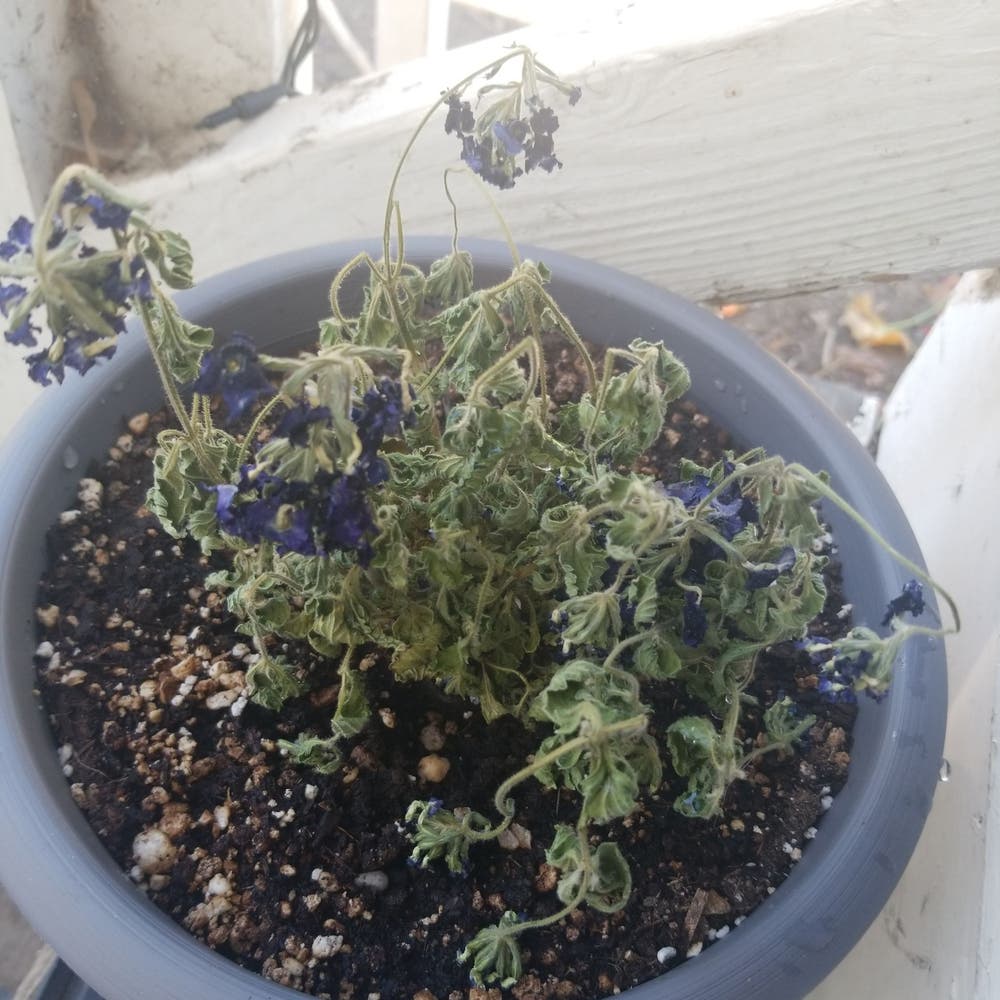
🌸 8 Tips for Fixing Flower Problems in Slender Vervain
Verbena rigida
By the Greg Editorial Team
Oct 02, 2024•3 min read
This article was created with the help of AI so we can cover more plants for you. May contain errors. See one? Report it here.
Revive your garden's blooms 🌸 with expert solutions to common flower problems and watch them thrive beautifully!
- 🌞 Slender Vervain needs 6+ hours of sunlight daily for optimal blooming.
- 🌱 Nutrient deficiencies in nitrogen, phosphorus, and potassium hinder flower production.
- 💧 Consistent watering and mulching are key to preventing flower drop and promoting health.
Common Flower Problems
🌸 Failure to Bloom
Potential Causes
Light Requirements
Insufficient sunlight is a common culprit for flower failure. If your Slender Vervain gets less than 6 hours of direct sunlight daily, it might struggle to bloom.
Nutritional Deficiencies
A lack of essential nutrients like nitrogen, phosphorus, and potassium can hinder flowering. Additionally, poor soil quality and unfavorable pH levels can affect nutrient availability.
Environmental Factors
Temperature extremes can also play a role. Whether it's too hot or too cold, these conditions can stunt growth and prevent blooming. Soil moisture levels are equally important; overly dry or waterlogged soil can lead to issues.
Solutions
Adjusting Light Exposure
To boost blooming, consider relocating your plants to sunnier spots. Pruning surrounding plants can also help reduce shade and increase light exposure.
Fertilization
Using a balanced fertilizer high in phosphorus can promote blooming. Be sure to apply it during the growing season, following the package instructions for best results.
🌼 Premature Flower Drop
Causes
Water Stress
Inconsistent watering can lead to drought stress, causing flowers to drop prematurely. Conversely, overwatering can result in root rot, which also leads to flower loss.
Temperature Fluctuations
Sudden temperature changes can destabilize your plants. Late frosts or extreme heat can particularly impact flower retention.
Solutions
Consistent Watering
Establish a regular watering schedule, aiming for about 1 inch of water per week. Using mulch can help retain soil moisture and regulate temperature.
Monitoring Temperature
During unexpected cold snaps, consider using row covers to protect your plants. Providing shade during extreme heat can also safeguard blooms from damage.
🌱 Abnormal Flower Development
Causes
Pest Infestations
Pests like aphids, spider mites, and whiteflies can wreak havoc on your flowers. Look for signs of infestation, such as distorted leaves and discoloration.
Nutrient Imbalances
Excessive nitrogen can lead to lush foliage but fewer flowers. On the other hand, deficiencies in potassium can affect flower size and color.
Solutions
Pest Control Methods
Introducing beneficial insects like ladybugs and lacewings can help manage pest populations. For severe infestations, consider using insecticidal soap or neem oil.
Soil Amendments
Testing your soil for nutrient levels is essential. Amend your soil accordingly and use compost or organic fertilizers to balance nutrient levels.
☀️ Environmental Factors
Light Requirements
Full sun exposure, ideally 6-8 hours daily, is crucial for optimal flower production. Techniques like proper positioning and pruning can help maximize sunlight.
Nutritional Needs
Essential nutrients include nitrogen, phosphorus, potassium, and magnesium. Watch for signs of nutrient deficiencies, such as yellowing leaves and stunted growth.
🍂 Seasonal Considerations
Bloom Cycle
Typically, Slender Vervain blooms from late summer to early fall. Factors like temperature and daylight hours can influence this timing.
Preparing for Seasonal Changes
Prepare for winter by cutting back and mulching your plants. In spring, focus on fertilization and pest monitoring to ensure healthy growth.
With these insights, you can tackle common flower problems effectively, ensuring your Slender Vervain thrives beautifully. Next, let’s explore specific care tips to enhance your gardening experience!
⚠️ Safety First
This content is for general information and may contain errors, omissions, or outdated details. It is not medical, veterinary advice, or an endorsement of therapeutic claims.
Always consult a qualified healthcare professional before using any plant as food, medicine, or supplement.
Never eat any plant (or feed one to pets) without confirming its identity with at least two trusted sources.
If you suspect poisoning, call Poison Control (800) 222-1222, the Pet Poison Helpline (800) 213-6680, or your local emergency service immediately.
Spotted an error? Please report it here.
Unlock blooming brilliance in your Slender Vervain 🌸 with Greg's tailored care reminders and nutrient tracking, ensuring your plants thrive beautifully all season long!