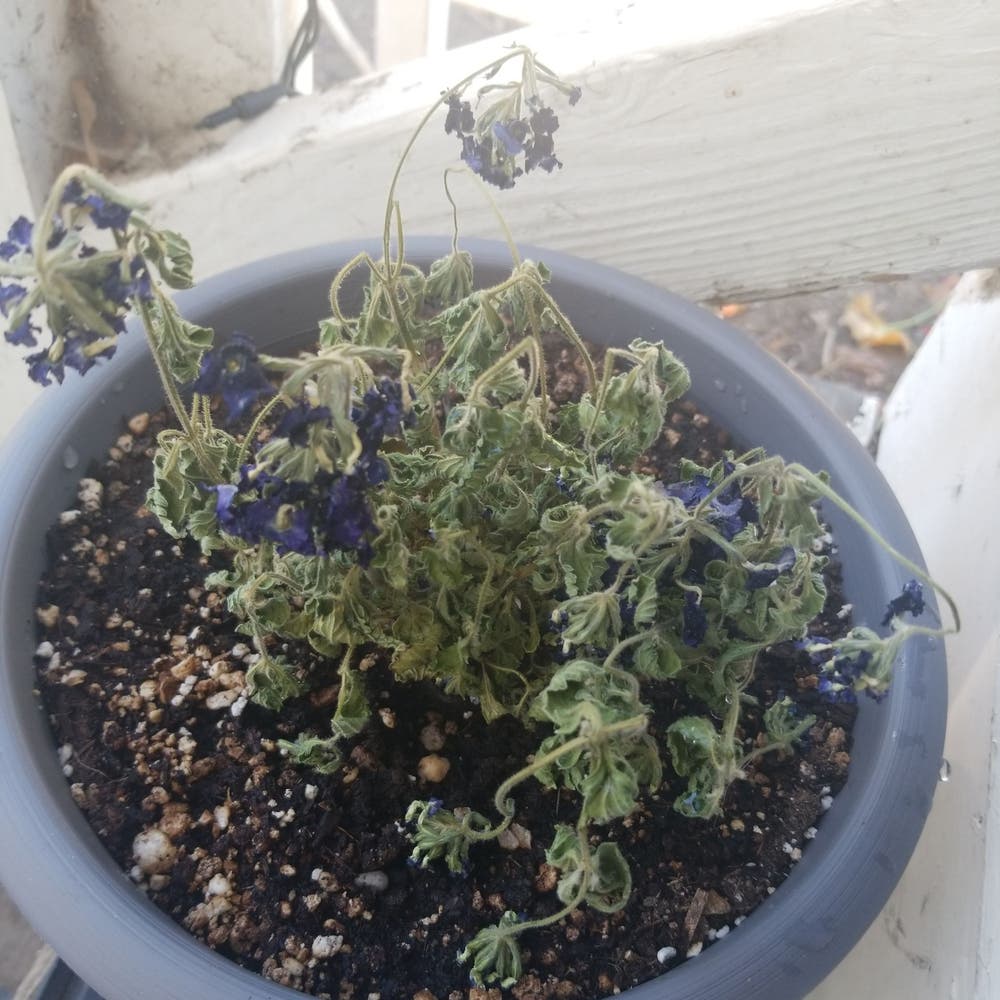
Why Hardy Verbena Is Not an Annual
Verbena rigida
By the Greg Editorial Team
Oct 15, 2024•4 min read
This article was created with the help of AI so we can cover more plants for you. May contain errors. See one? Report it here.
Elevate your garden with Hardy Verbena 🌼, a resilient perennial that blooms year after year, attracting beauty and wildlife!
- 🌼 Hardy Verbena is a perennial, thriving across multiple seasons with robust genetics.
- 🌱 Self-seeding and dormancy enhance its survival, unlike typical annual plants.
- 💰 Cost-effective investment: Hardy Verbena returns yearly, reducing replanting needs.
Hardy Verbena as a Perennial
🌱 Genetic Characteristics
Hardy Verbena, scientifically known as Verbena bonariensis, is classified as a perennial due to its unique genetic traits. These adaptations enable it to thrive over multiple seasons, ensuring long-term survival in various environments.
The root system of Hardy Verbena is robust and deep-rooted, allowing it to access nutrients effectively. This strong foundation supports its growth and resilience against adverse conditions.
🌼 Physiological Traits Supporting Perennial Classification
One of the defining growth habits of Hardy Verbena is its spreading and self-seeding tendencies. These characteristics not only enhance its ability to proliferate but also contribute to its perennial nature.
Additionally, Hardy Verbena exhibits dormancy, a crucial adaptation that allows it to survive harsh conditions. This resilience enables it to endure various climates, making it a versatile choice for gardeners.
🌿 Lifecycle and Growth Patterns
The lifecycle of Hardy Verbena includes distinct stages: germination, growth, flowering, and dormancy. Understanding these stages helps gardeners appreciate its growth rhythm.
During warmer months, Hardy Verbena is actively growing, while it enters dormancy in winter. This seasonal behavior is vital for its survival and sets it apart from annual plants.
🌸 Differences from Annuals
One significant difference between Hardy Verbena and annuals is flowering frequency. Perennials like Hardy Verbena produce multiple blooms throughout the season, offering continuous color in the garden.
In terms of seed production, Hardy Verbena continuously generates seeds, unlike annuals that typically produce seeds just once. This ability ensures the viability of its seeds over multiple years, further solidifying its status as a perennial.
🌍 Regional Variations and Misconceptions
In some regions, Hardy Verbena may be mistakenly treated as an annual due to specific environmental conditions. Understanding these regional variations is essential for proper care.
Common misconceptions about Hardy Verbena's lifecycle often stem from its dormancy phase. Climate plays a significant role in its growth, influencing how it is perceived and cultivated in different areas.
As we delve deeper into the implications of Hardy Verbena in garden design, it’s essential to recognize its unique characteristics and lifecycle. This understanding will enhance your gardening experience and appreciation for this resilient perennial.
Garden Design Implications
🌼 Advantages in Perennial Garden Design
Investing in Hardy Verbena as a perennial offers significant long-term benefits. These plants are cost-effective, as they return year after year, reducing the need for replanting.
Their aesthetic appeal is undeniable. With continuous blooms throughout the growing season, Hardy Verbena enhances the beauty of any garden, creating vibrant displays that attract attention.
Moreover, they play a crucial role in habitat creation. By supporting local wildlife and pollinators, these plants contribute to a healthier ecosystem, making your garden a sanctuary for beneficial creatures.
📈 Planning for Long-Term Growth
Successful garden design starts with site selection. Choose optimal locations that provide the right balance of sunlight and protection for Hardy Verbena to thrive.
Spacing is another key consideration. Allow for their spreading habits by planting them with enough room to grow, ensuring they don't overcrowd neighboring plants.
Seasonal planning is essential for maintaining a flourishing garden. Timing your planting and maintenance activities will help you maximize the growth potential of your Hardy Verbena, ensuring a stunning display year after year.
With these strategies in mind, you can create a garden that not only looks beautiful but also supports the environment. Next, let’s explore how to maximize the longevity of your Hardy Verbena through effective care and maintenance.
Maximizing Longevity
Tips for Managing Hardy Verbena 🌱
Watering Hardy Verbena requires a careful balance. Ensure the soil remains moist but avoid overwatering, which can lead to root rot.
Fertilization is key for sustained growth. Use a balanced fertilizer during the growing season to provide essential nutrients.
Pruning is another vital practice. Regularly trim back spent blooms to encourage new growth and prolong flowering.
Best Practices for Care and Maintenance 🛠️
Mulching offers significant benefits. It helps retain moisture and regulates soil temperature, creating a stable environment for your plants.
Pest management should focus on organic methods. This approach protects Hardy Verbena while minimizing harm to beneficial insects.
Seasonal care is crucial for optimal growth. Adjust your practices based on the plant's growth cycles to ensure it thrives year-round.
By following these tips and best practices, you can enjoy the beauty of Hardy Verbena for many seasons to come. Next, let’s explore the advantages of incorporating Hardy Verbena into your garden design.
⚠️ Safety First
This content is for general information and may contain errors, omissions, or outdated details. It is not medical, veterinary advice, or an endorsement of therapeutic claims.
Always consult a qualified healthcare professional before using any plant as food, medicine, or supplement.
Never eat any plant (or feed one to pets) without confirming its identity with at least two trusted sources.
If you suspect poisoning, call Poison Control (800) 222-1222, the Pet Poison Helpline (800) 213-6680, or your local emergency service immediately.
Spotted an error? Please report it here.
Unlock the perennial magic of Hardy Verbena 🌼 with Greg's tailored care reminders, ensuring your garden bursts with color season after season!