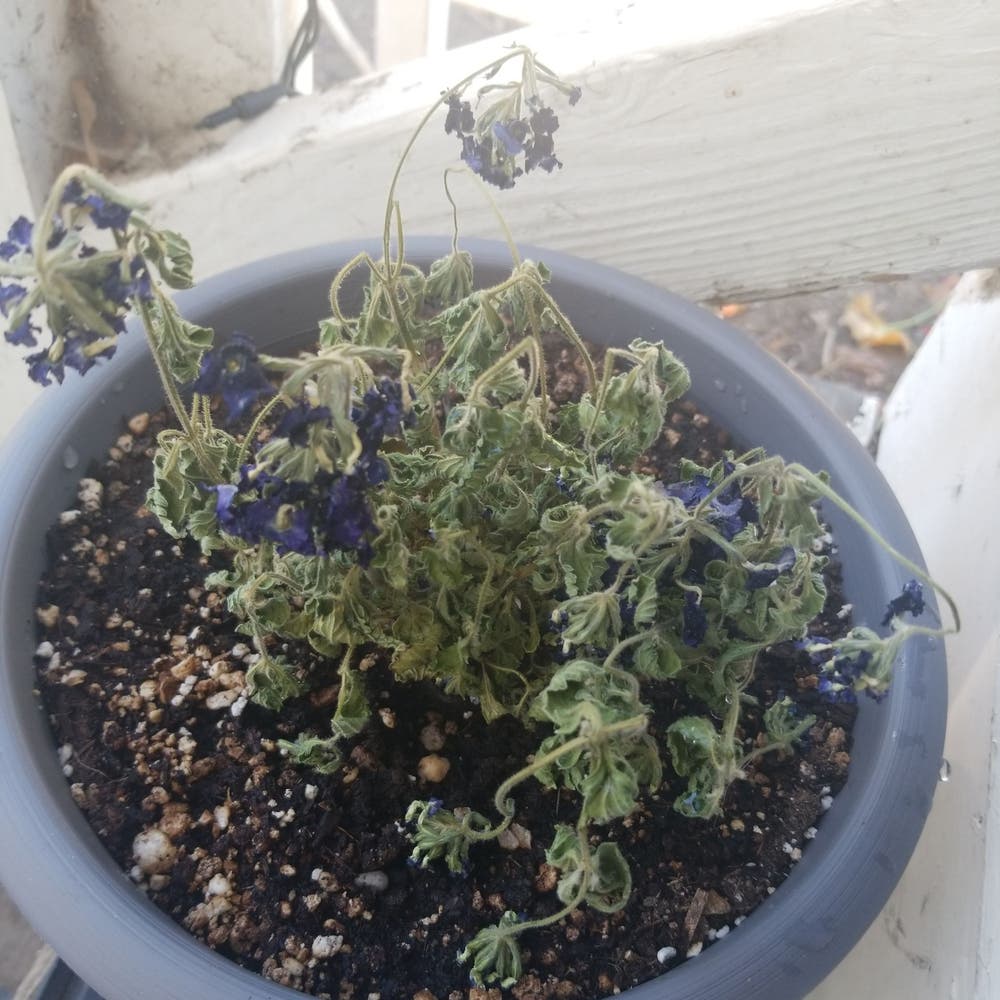
🍃 How to Cure Dropping Leaves on Your Hardy Verbena
Verbena rigida
By the Greg Editorial Team
Oct 15, 2024•6 min read
This article was created with the help of AI so we can cover more plants for you. May contain errors. See one? Report it here.
Transform your garden 🌿 by mastering how to prevent and treat leaf drop in hardy verbena for vibrant blooms!
- 💧 Overwatering and underwatering both cause leaf drop; balance is key!
- 🌱 Proper soil drainage and nutrient balance are essential for healthy hardy verbena.
- 🐛 Pests and diseases can lead to leaf drop; regular inspections are crucial.
Causes of Leaf Drop
💧 Overwatering and Its Effects
Overwatering is a common culprit behind leaf drop in hardy verbena. Symptoms include yellowing leaves, wilting despite wet soil, and root rot.
Proper soil drainage is crucial to prevent waterlogging. Aim for sandy loam or loamy soil, which offers excellent drainage properties.
🚰 Underwatering and Its Symptoms
Underwatering can also lead to leaf drop, with signs like crispy, brown leaf edges and drooping leaves. Stunted growth often accompanies these symptoms.
Consistent moisture is vital, especially during dry spells. Water deeply once a week, adjusting based on rainfall and temperature.
🐛 Pest Infestations
Pest infestations can wreak havoc on your hardy verbena.
Common Pests
- Aphids: Look for curled leaves and sticky residue.
- Spider mites: Indicators include fine webbing and stippled leaves.
Control methods include using insecticidal soap or neem oil to manage these pests effectively.
🍄 Fungal Diseases
Fungal diseases can also contribute to leaf drop, often manifesting in various ways.
Common Issues
- Powdery mildew: Symptoms include white, powdery spots on leaves.
- Root rot: Caused by overwatering, leading to wilting and yellowing leaves.
To prevent these issues, ensure proper air circulation and avoid overhead watering.
🥦 Nutrient Deficiencies
Nutrient deficiencies can significantly impact the health of your hardy verbena.
Key Nutrients
- Nitrogen deficiency: Symptoms include pale leaves and poor growth.
- Potassium deficiency: Look for leaf drop and weak stems.
Using a balanced fertilizer during the growing season can help address these deficiencies effectively.
Understanding these causes will help you take proactive steps to maintain the health of your hardy verbena. Next, we’ll explore how to diagnose leaf drop issues effectively.
Diagnosing Leaf Drop Issues
🌊 Identifying Symptoms of Overwatering
Overwatering can be a sneaky culprit behind leaf drop. Look for yellowing leaves and mushy stems, which are clear indicators that your plant is drowning.
To confirm, check the soil consistency. If it feels soggy, it’s time to reassess your watering habits.
💧 Recognizing Signs of Underwatering
Underwatering presents its own set of challenges. Dry, crispy leaf edges and a drooping appearance signal that your hardy verbena is thirsty.
Feel the soil; if it’s dry and hard, your plant is likely in need of a good drink.
🐛 Checking for Pests and Their Damage
Pests can wreak havoc on your plants. Conduct a visual inspection, focusing on the undersides of leaves where pests like to hide.
Evaluate the damage by assessing the extent of leaf curling or discoloration. Early detection is key to effective pest management.
🦠 Diagnosing Fungal Infections
Fungal infections can be tricky but are identifiable. Examine leaves for white spots or black patches, which often indicate a problem.
Additionally, check the soil for foul odors, a sure sign of root rot. Addressing these issues promptly can save your plant.
🌱 Assessing Soil Quality and Drainage
Soil quality plays a crucial role in plant health. Conduct a soil test to evaluate pH and drainage capabilities.
If drainage is poor, consider amending the soil with materials like perlite or sand. This can significantly improve water flow and root health.
Understanding these diagnostic signs will empower you to take action and restore your hardy verbena to its vibrant self. Next, let’s explore how to prevent leaf drop from occurring in the first place.
Preventing Leaf Drop
Best Watering Practices 🌊
Deep watering is essential for encouraging robust root growth. Aim to water early in the morning to minimize evaporation and ensure your hardy verbena gets the moisture it needs.
Soil Preparation and Drainage Solutions 🏺
Incorporate soil amendments like perlite or sand to enhance drainage. If you're gardening in containers, always choose pots with drainage holes to prevent waterlogging.
Pest Management Strategies 🐞
Regular inspections are key; check your plants weekly for early signs of pests. Encourage natural predators, such as ladybugs, to help keep pest populations in check.
Fertilization Tips for Healthy Growth 🌱
Opt for a slow-release, balanced fertilizer to nourish your plants. Apply it in early spring and again in mid-summer for optimal growth.
Seasonal Care Adjustments ❄️
During winter, use mulch to protect the roots from freezing temperatures. In summer, be prepared to increase watering to keep your plants thriving in the heat.
By implementing these preventive measures, you can significantly reduce the risk of leaf drop in your hardy verbena. Next, let’s explore how to treat any leaf drop problems that may arise.
Treating Leaf Drop Problems
🌊 Step-by-Step Guide to Adjusting Watering Habits
Assess Current Watering Schedule: Start by evaluating how often you water your hardy verbena. Are you sticking to a routine, or is it more hit-or-miss?
Adjust Frequency Based on Weather Conditions: If it’s been particularly hot or rainy, tweak your watering schedule accordingly. Plants need different amounts of water depending on the season.
Monitor Soil Moisture Levels Regularly: Check the soil’s moisture by sticking your finger about an inch deep. If it feels dry, it’s time to water.
🐞 How to Treat Pest Infestations
Identify the Pest Type: Look closely at your plants. Are you seeing aphids, spider mites, or something else? Knowing what you’re dealing with is crucial.
Apply Appropriate Treatment: Use insecticidal soap or neem oil to tackle the pests. These treatments are effective and less harsh on your plants.
Monitor Plants for Recovery: After treatment, keep an eye on your plants. Look for signs of improvement or any lingering pest issues.
🍄 Methods for Managing Fungal Diseases
Remove Affected Leaves Immediately: If you spot any leaves showing signs of fungal infection, take them off right away. This helps prevent the spread.
Apply Fungicide if Necessary: If the problem persists, consider applying a fungicide. Choose one that’s suitable for your specific issue.
Improve Air Circulation Around the Plant: Ensure your plants have enough space to breathe. Good air circulation can significantly reduce fungal growth.
🌱 Nutrient Supplementation Techniques
Test Soil for Nutrient Deficiencies: Use a soil test kit to check for missing nutrients. This step is essential for understanding what your plants need.
Apply Targeted Fertilizers Based on Deficiencies: Once you know what’s lacking, choose a fertilizer that addresses those specific needs. This targeted approach will yield better results.
Monitor Plant Response to Supplementation: After fertilizing, watch how your plants react. Healthy growth is a good sign that you’re on the right track.
🌞 Environmental Adjustments for Optimal Growth
Relocate Plants to Sunnier Spots if Needed: If your verbena isn’t thriving, consider moving it to a sunnier location. More sunlight can make a world of difference.
Provide Windbreaks in Exposed Areas: If your plants are in a windy spot, think about adding a windbreak. This can protect them from harsh conditions.
Adjust Mulch Levels for Temperature Regulation: Use mulch to help regulate soil temperature. It keeps roots cool in summer and warm in winter, promoting healthier plants.
By following these steps, you can effectively treat leaf drop problems and ensure your hardy verbena thrives. Next, let’s explore how to prevent these issues from arising in the first place.
⚠️ Safety First
This content is for general information and may contain errors, omissions, or outdated details. It is not medical, veterinary advice, or an endorsement of therapeutic claims.
Always consult a qualified healthcare professional before using any plant as food, medicine, or supplement.
Never eat any plant (or feed one to pets) without confirming its identity with at least two trusted sources.
If you suspect poisoning, call Poison Control (800) 222-1222, the Pet Poison Helpline (800) 213-6680, or your local emergency service immediately.
Spotted an error? Please report it here.
Revive your hardy verbena and keep those leaves lush 🍃 with Greg's tailored watering reminders and expert tips to tackle pests and soil health like a pro!