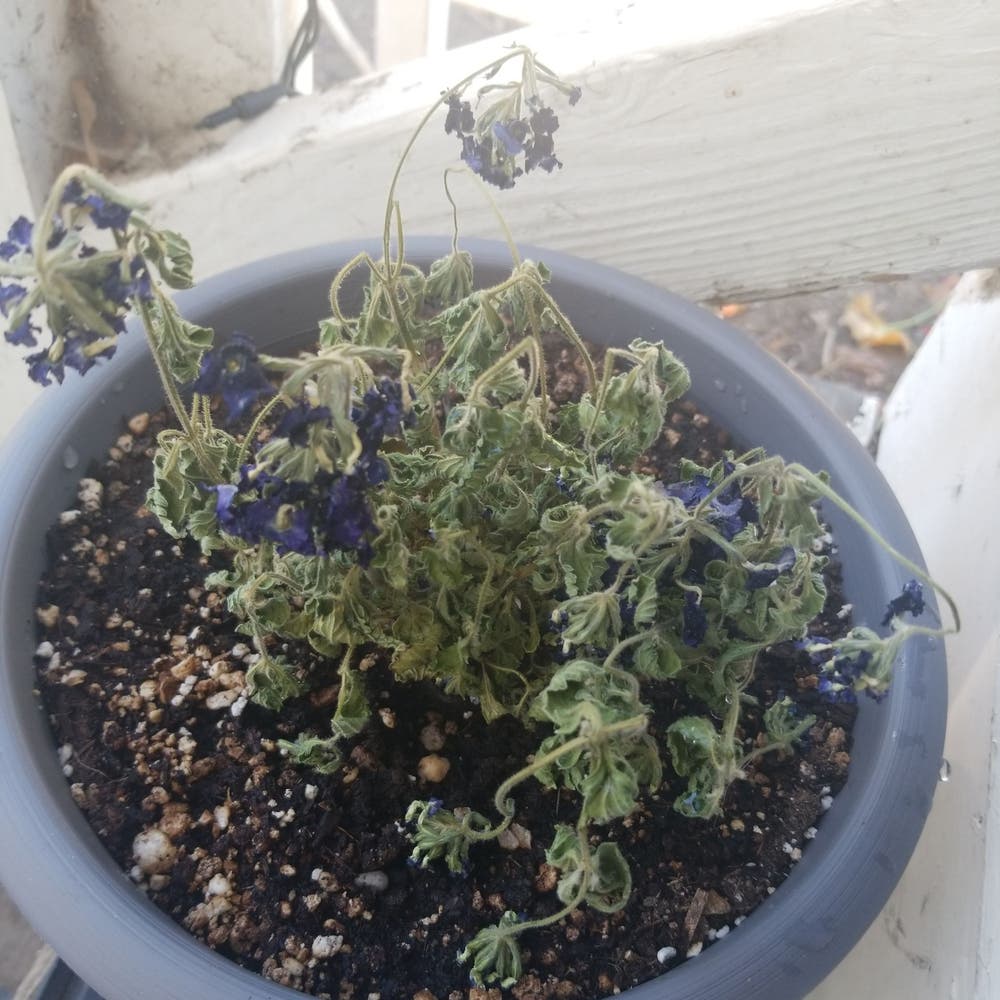
Best Tips for Dealing with Curling Leaves on Hardy Verbena 🐞
Verbena rigida
By the Greg Editorial Team
Oct 15, 2024•5 min read
This article was created with the help of AI so we can cover more plants for you. May contain errors. See one? Report it here.
Revitalize your garden by mastering the secrets to prevent curling leaves on hardy verbena! 🌱
- 🌱 Curling leaves indicate stress from pests, humidity, or nutrient deficiencies.
- 🌡️ Temperature extremes above 30°C or below 10°C cause leaf curling.
- 🐛 Regular inspections for pests and diseases help maintain healthy hardy verbena.
Causes of Curling Leaves
🌍 Environmental Stress Factors
Curling leaves on hardy verbena can often be traced back to environmental stress.
Temperature Extremes
High temperatures above 30°C (86°F) can create significant stress for your plants. Conversely, low temperatures below 10°C (50°F) can also lead to curling leaves.
Humidity Levels
Low humidity levels can cause dehydration, resulting in curling leaves. On the flip side, high humidity may encourage fungal issues, complicating care.
🐛 Pest Infestations
Pests can wreak havoc on your hardy verbena, leading to curling leaves.
Aphids
Look for sticky residue and distorted leaves as signs of aphid infestation. These pests feed on sap, causing curling and stunted growth.
Spider Mites
Fine webbing and speckled leaves indicate spider mite activity. Their sap extraction leads to curling and discoloration, further stressing your plant.
🍄 Fungal Infections
Fungal infections can also contribute to leaf curling.
Powdery Mildew
White, powdery spots on leaves signal powdery mildew. This condition can lead to curling and overall plant decline if not addressed promptly.
🥦 Nutrient Deficiencies
Nutrient deficiencies can manifest as curling leaves, signaling a need for better care.
Nitrogen Deficiency
Yellowing leaves and curling at the tips are common symptoms of nitrogen deficiency. Nitrogen is essential for leaf growth and overall plant vigor.
Potassium Deficiency
Marginal leaf curling and browning may indicate potassium deficiency. This nutrient is vital for water regulation and helps plants resist stress.
💧 Overwatering or Underwatering
Watering practices play a crucial role in leaf health.
Overwatering
Symptoms of overwatering include yellowing leaves and root rot, leading to curling. To prevent this, ensure well-draining soil and adhere to proper watering schedules.
Underwatering
Wilting and curling often result from underwatering due to a lack of moisture. Regularly checking soil moisture levels can help maintain balance.
Understanding these causes is the first step in addressing curling leaves on your hardy verbena. Next, we’ll explore how to diagnose these issues effectively.
Diagnosing Curling Leaves
🧐 Identifying Symptoms
Curling leaves can signal various issues with your hardy verbena. Pay attention to the direction of the curl: upward curling often indicates environmental stress, while downward curling may suggest pest problems.
Leaf texture also provides valuable clues. If the leaves feel crispy, they might be dehydrated; if they’re soft, it could point to overwatering or disease.
🔍 Differentiating Between Causes
To pinpoint the cause of curling leaves, start by checking for pests. Look for visible insects or fine webbing, especially from spider mites, which can wreak havoc on your plants.
Next, assess the environmental conditions. High temperatures or low humidity can stress your verbena, leading to curling leaves. A quick check of the weather can help you identify if external factors are at play.
🌱 Assessing Soil Conditions
Soil conditions play a crucial role in plant health. Use a moisture meter or your finger to test the soil's moisture level. This will help you determine if the soil is too dry or overly saturated.
Additionally, ensure your soil composition is suitable. Well-draining soil is essential to prevent root issues that can contribute to leaf curling. If your soil retains too much water, consider amending it with sand or perlite for better drainage.
By carefully diagnosing the symptoms, differentiating between potential causes, and assessing soil conditions, you can effectively address the curling leaves on your hardy verbena. This proactive approach sets the stage for healthier plants and a more vibrant garden.
Next, let’s explore effective treatment options to restore your verbena to its full glory.
Treatment Options
🌱 Organic Pest Control
Dealing with pests like aphids and spider mites? Insecticidal soap is your go-to solution. It effectively targets these nuisances without harming your plants.
Neem oil is another fantastic option. This natural pesticide disrupts pest life cycles, making it harder for them to thrive.
🍄 Fungal Treatments
If you spot powdery mildew, don’t panic. Apply fungicides according to the label instructions for effective treatment.
Additionally, improving air circulation and reducing humidity can help prevent fungal issues from taking hold. Simple adjustments can make a big difference.
💧 Adjusting Watering Practices
Watering practices are crucial for plant health. Establish a schedule based on soil moisture by following these steps:
- Check soil moisture weekly.
- Water deeply when the top inch of soil is dry.
- Avoid letting the plant sit in water.
These steps will help maintain optimal moisture levels.
🌼 Fertilization Techniques
Fertilization plays a key role in plant vitality. Use a balanced fertilizer with an NPK ratio of 10-10-10 or similar.
Apply it every 4-6 weeks during the growing season to keep your hardy verbena thriving. Consistent feeding supports robust growth and resilience.
By implementing these treatment options, you can effectively address curling leaves on your hardy verbena. Next, let’s explore preventive measures to keep your plants healthy and vibrant.
Preventive Measures
Best Practices for Care 🌞
To keep your hardy verbena thriving, plant it in full sun. Aim for at least 6-8 hours of sunlight daily to promote healthy growth.
Using well-draining soil is crucial. Consider amending your soil with sand or perlite to enhance drainage and prevent root rot.
Regular Monitoring 🔍
Conduct weekly inspections of your plants. Look for any signs of pests or fungal issues that could lead to curling leaves.
Early intervention is key. Treat any problems as soon as they are detected to minimize damage and maintain plant health.
Optimal Planting Conditions 🌱
Ensure adequate air circulation between your plants by spacing them 12-18 inches apart. This helps reduce the risk of fungal infections and promotes healthy growth.
Adjust your care based on seasonal changes. Be mindful of temperature and humidity fluctuations throughout the year to keep your verbena in top shape.
By following these preventive measures, you can enjoy vibrant, healthy hardy verbena and avoid the frustration of curling leaves. Next, let’s explore effective treatment options if you encounter any issues.
⚠️ Safety First
This content is for general information and may contain errors, omissions, or outdated details. It is not medical, veterinary advice, or an endorsement of therapeutic claims.
Always consult a qualified healthcare professional before using any plant as food, medicine, or supplement.
Never eat any plant (or feed one to pets) without confirming its identity with at least two trusted sources.
If you suspect poisoning, call Poison Control (800) 222-1222, the Pet Poison Helpline (800) 213-6680, or your local emergency service immediately.
Spotted an error? Please report it here.
Transform your curling hardy verbena into a vibrant beauty 🌼 with Greg's tailored watering alerts and pest control tips that ensure your plants thrive!