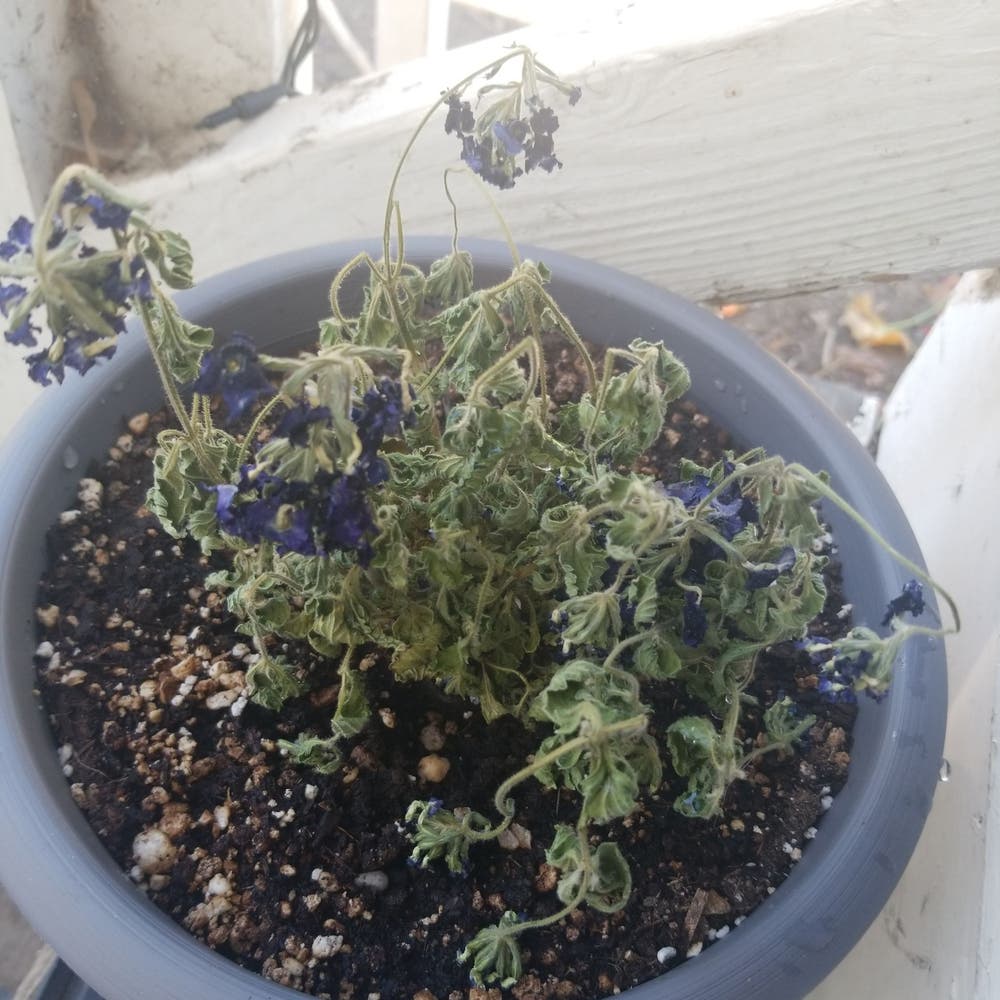
🌼 Why the Leaves on Your Hardy Verbena Are Turning Yellow
Verbena rigida
By the Greg Editorial Team
Oct 15, 2024•2 min read
This article was created with the help of AI so we can cover more plants for you. May contain errors. See one? Report it here.
Transform your hardy verbena into a thriving beauty 🌼 with essential diagnosis and treatment tips for vibrant blooms!
- 🌱 Yellow leaves indicate pests, nutrient deficiencies, or fungal infections. Inspect regularly!
- 🧪 Soil testing reveals nutrient imbalances affecting your hardy verbena's health.
- 🌿 Consistent care and monitoring ensure your hardy verbena thrives year-round.
Diagnosis and Treatment
🌱 Identifying the Cause
Visual Inspection Techniques
Start by closely examining your hardy verbena. Look for pests, fungal signs, and check the soil moisture levels.
Next, observe the leaf color and texture. Yellowing leaves can indicate nutrient deficiencies, so take note of any unusual changes.
Soil Testing for Nutrients
Soil testing is crucial for identifying nutrient imbalances. It helps you understand what your plants need to thrive.
Consider using recommended soil test kits that measure pH and nutrient levels. This information will guide your treatment decisions effectively.
💊 Treatment Options
Fertilization Methods
When it comes to fertilizers, you have options: granular and liquid. Each type has its benefits, so choose based on your gardening style.
Timing is key for application. Fertilize in early spring and mid-summer to support optimal growth.
💧 Adjusting Watering Practices
Establish a consistent watering schedule tailored to weather conditions. This ensures your verbena receives the right amount of moisture.
Deep watering techniques are beneficial. They encourage root growth, helping your plants become more resilient.
🐛 Pest Control Strategies
Implement Integrated Pest Management (IPM) to tackle pest issues. This approach combines biological, cultural, and chemical methods for effective control.
Regular monitoring is essential. Check for early signs of infestation to address problems before they escalate.
🍄 Fungal Treatment Options
For fungal issues, consider organic fungicides like sulfur or baking soda solutions. These options are effective and environmentally friendly.
Additionally, focus on cultural practices. Improving air circulation and drainage can significantly reduce fungal problems.
With these diagnostic and treatment strategies, your hardy verbena can thrive again. Next, let’s explore prevention strategies to keep your plants healthy year-round.
⚠️ Safety First
This content is for general information and may contain errors, omissions, or outdated details. It is not medical, veterinary advice, or an endorsement of therapeutic claims.
Always consult a qualified healthcare professional before using any plant as food, medicine, or supplement.
Never eat any plant (or feed one to pets) without confirming its identity with at least two trusted sources.
If you suspect poisoning, call Poison Control (800) 222-1222, the Pet Poison Helpline (800) 213-6680, or your local emergency service immediately.
Spotted an error? Please report it here.
Keep your hardy verbena thriving 🌱 by using Greg's personalized care tips and reminders to tackle yellowing leaves and ensure optimal growth!